
Overshoot is now certain: What the world must do to bring warming back to 1.5°C
Warming will now cross 1.5°C, so the task is to limit how high it goes and for how long. Global emissions were nearly flat in...

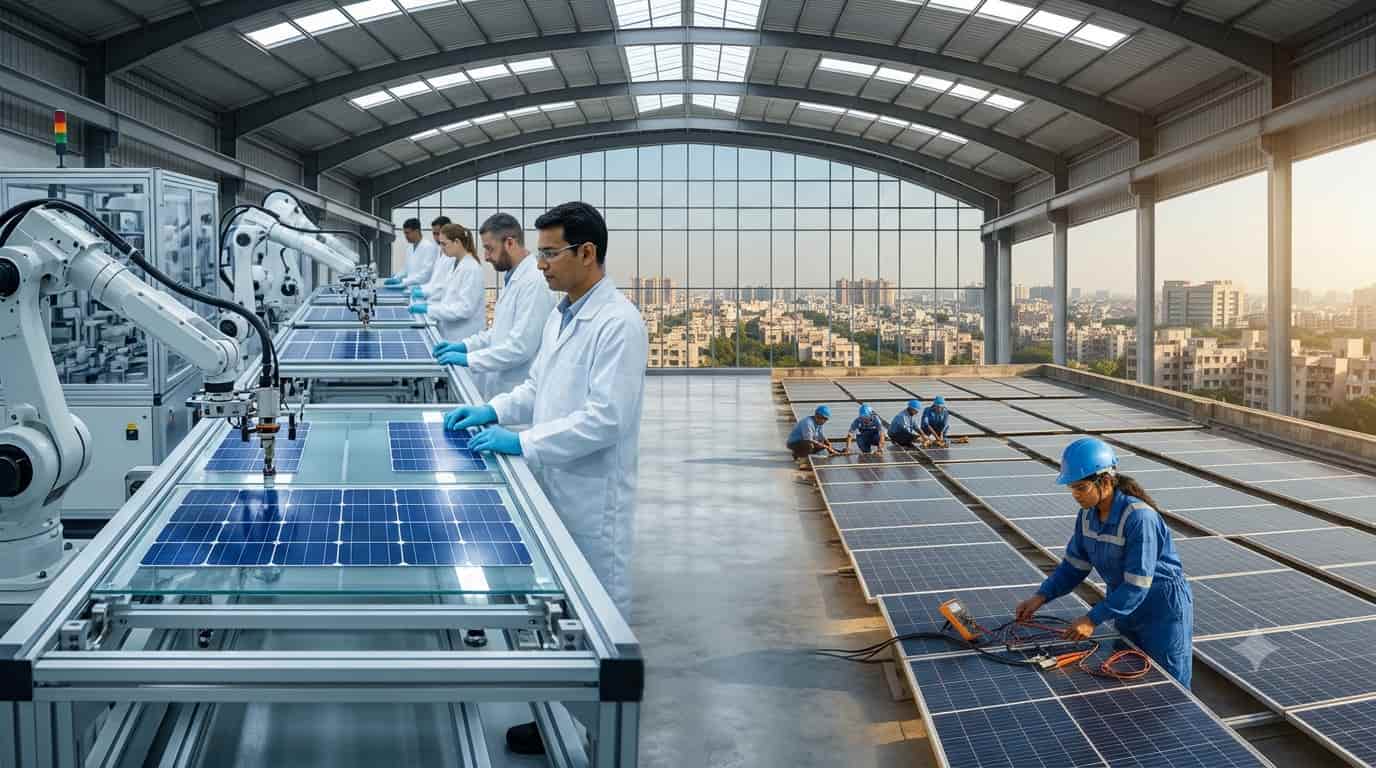
India’s solar build-out has been running hot. A Wood Mackenzie analysis estimates that the country added 34 GW (DC) in the first half of 2026. That is 38% above the same period last year. Developers rushed to commission projects before a domestic-content deadline for solar cells. Full-year additions may cross 50 GW. The factory side tells a different story. As per recent reporting, nearly a third of India’s 140 small and medium module makers have halted output. These firms hold...
Warming will now cross 1.5°C, so the task is to limit how high it goes and for how long. Global emissions were nearly flat in...
MNRE flags $220bn clean energy opportunity by FY2030, hinges on private capital India has an estimated $220 billion in investable opportunities across the clean energy...
All-India peak demand slipped to about 234 GW, roughly a tenth below its early-October high, and spot prices cooled. Yet Gujarat set an all-time record,...
India’s transmission utility has set a four-hour minimum for most new battery connections and two hours for older applicants. The rule rations scarce grid access...
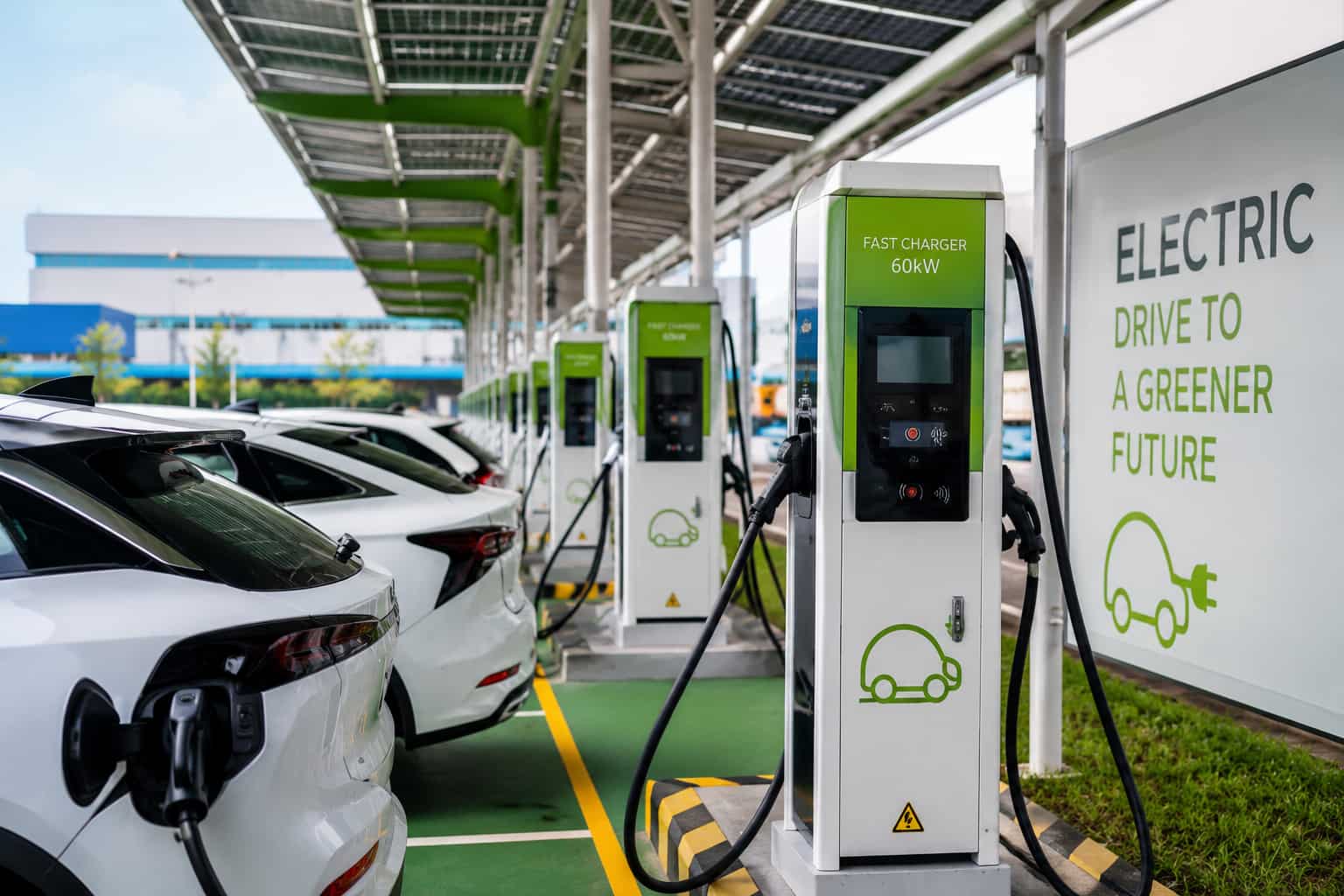
Southern India is rapidly emerging as the centre of India’s electric mobility transformation, driven by growing investments in...
Indian banks are improving climate disclosures and sustainability reporting, but most remain poorly prepared for deeper financial risks...
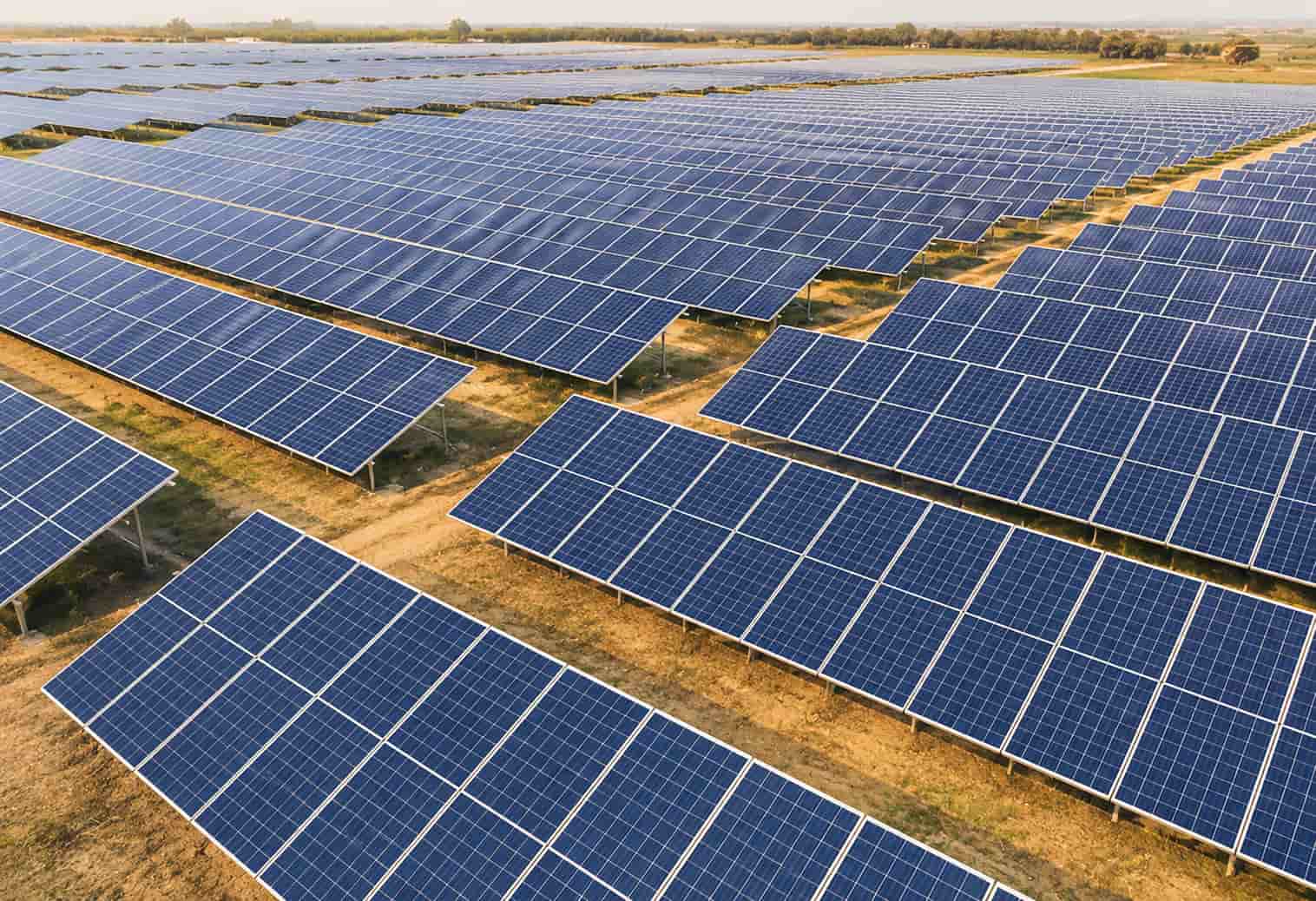
Behind India's impressive renewable energy capacity numbers lies a more revealing reality. Rooftop solar is already delivering measurable...
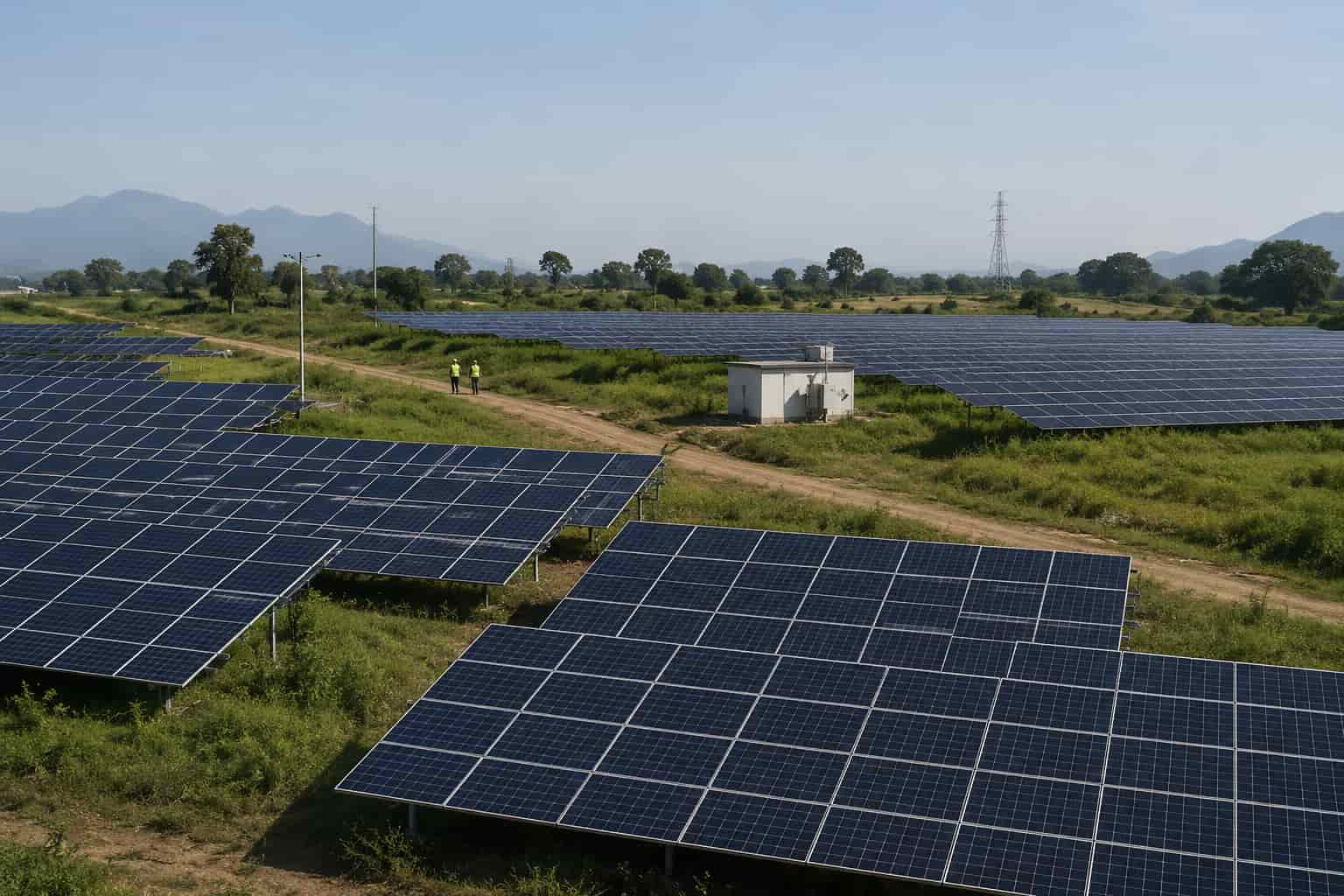
A new IISD framework for planning rural solar villages finds that village-level solarisation can cut electricity costs nearly...

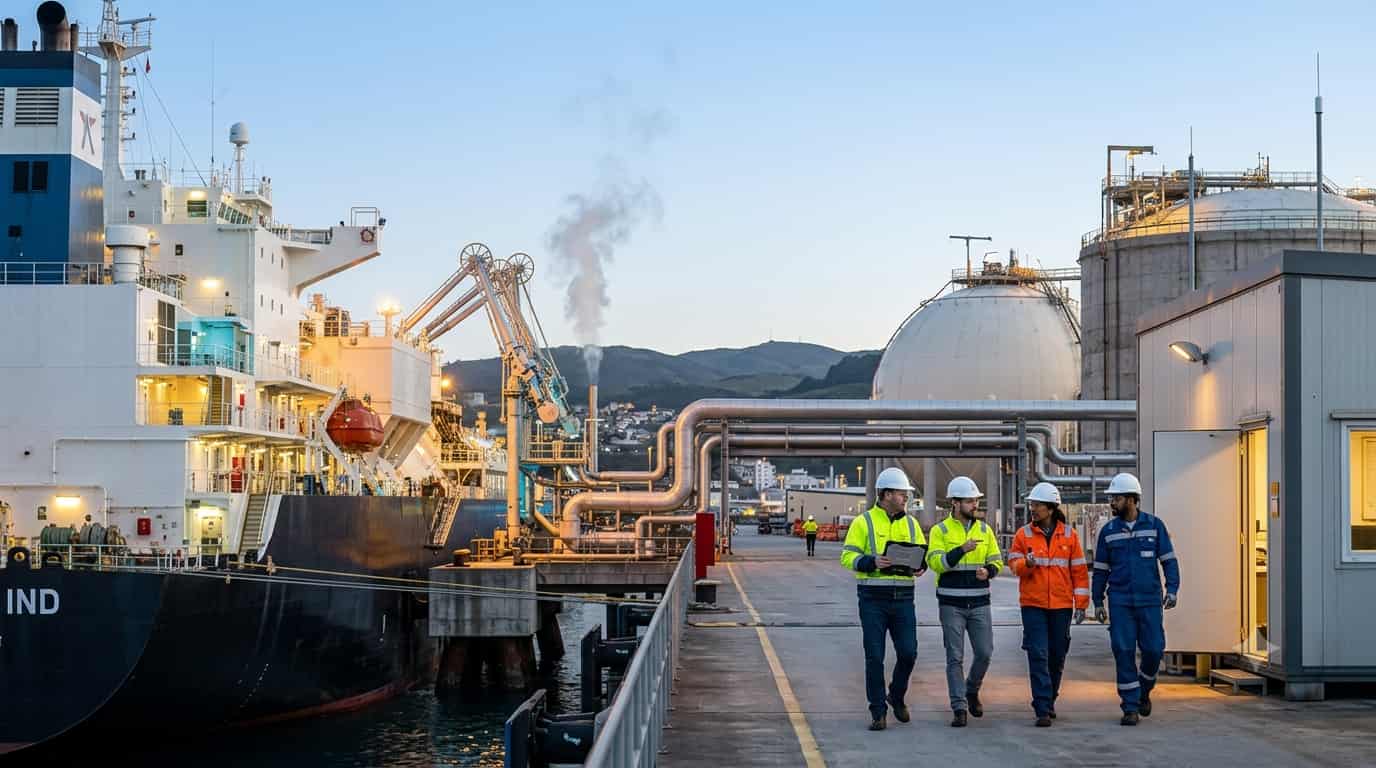
India has rebuilt its LNG supply chain since the Iran war effectively closed the Strait of Hormuz. A record of 287 cargoes from January to...
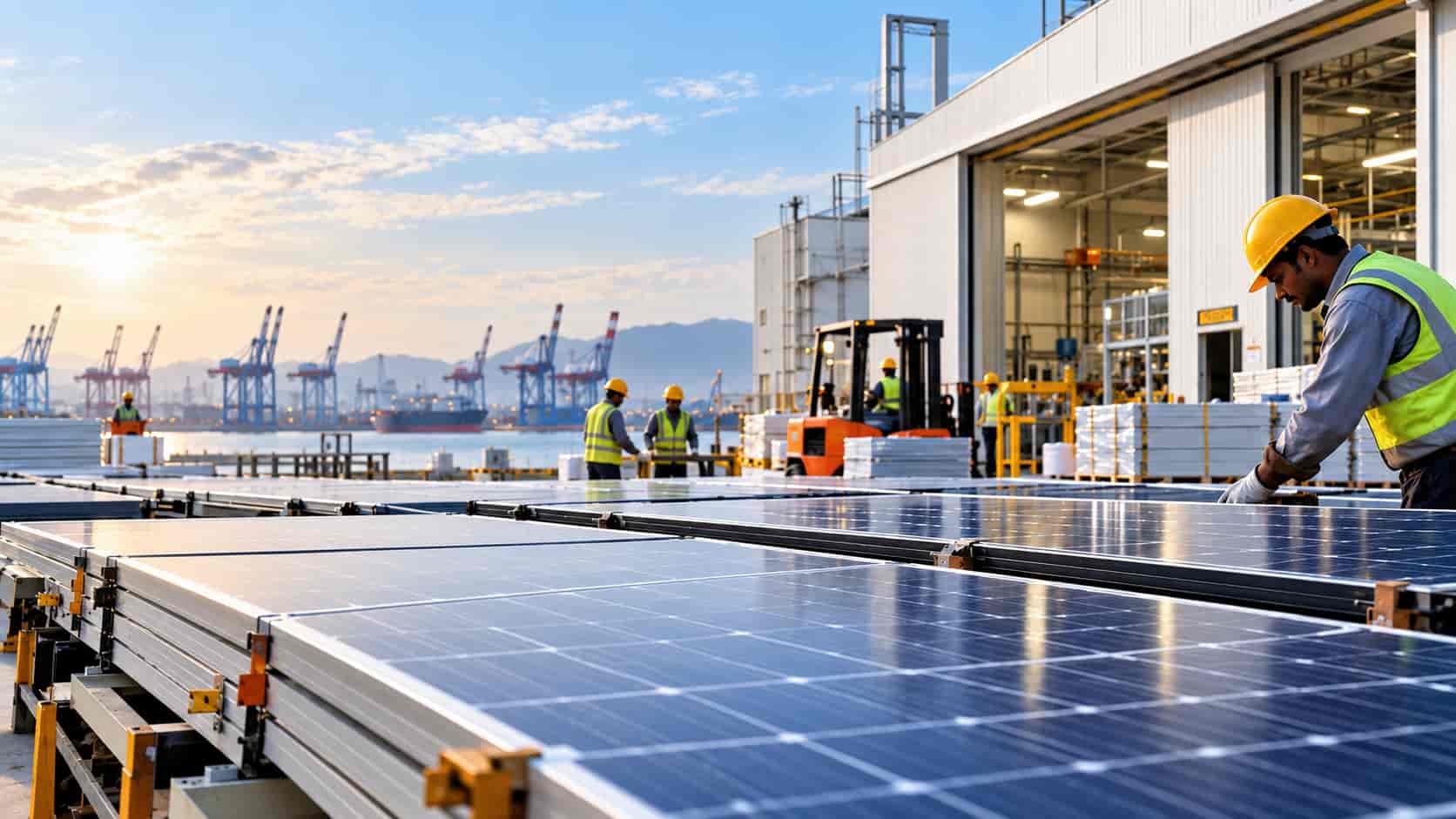
Global clean investment in the first half of 2026 was 17% below the same period last year, with China behind most of the drop. Solar...
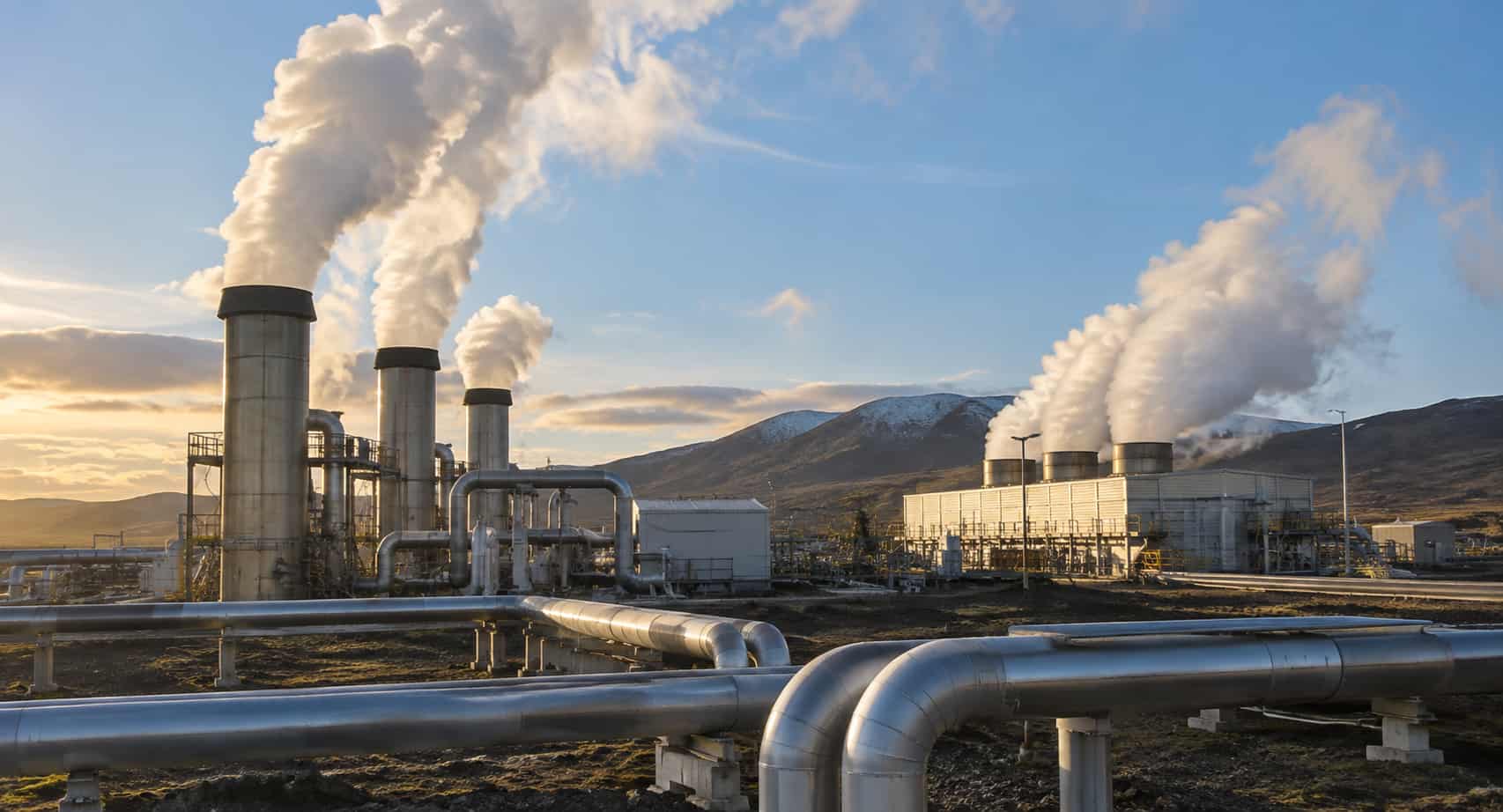
India has commissioned its first two geothermal wells, in Ladakh’s Puga Valley, alongside a national policy meant to build an entire industry around the Earth’s...
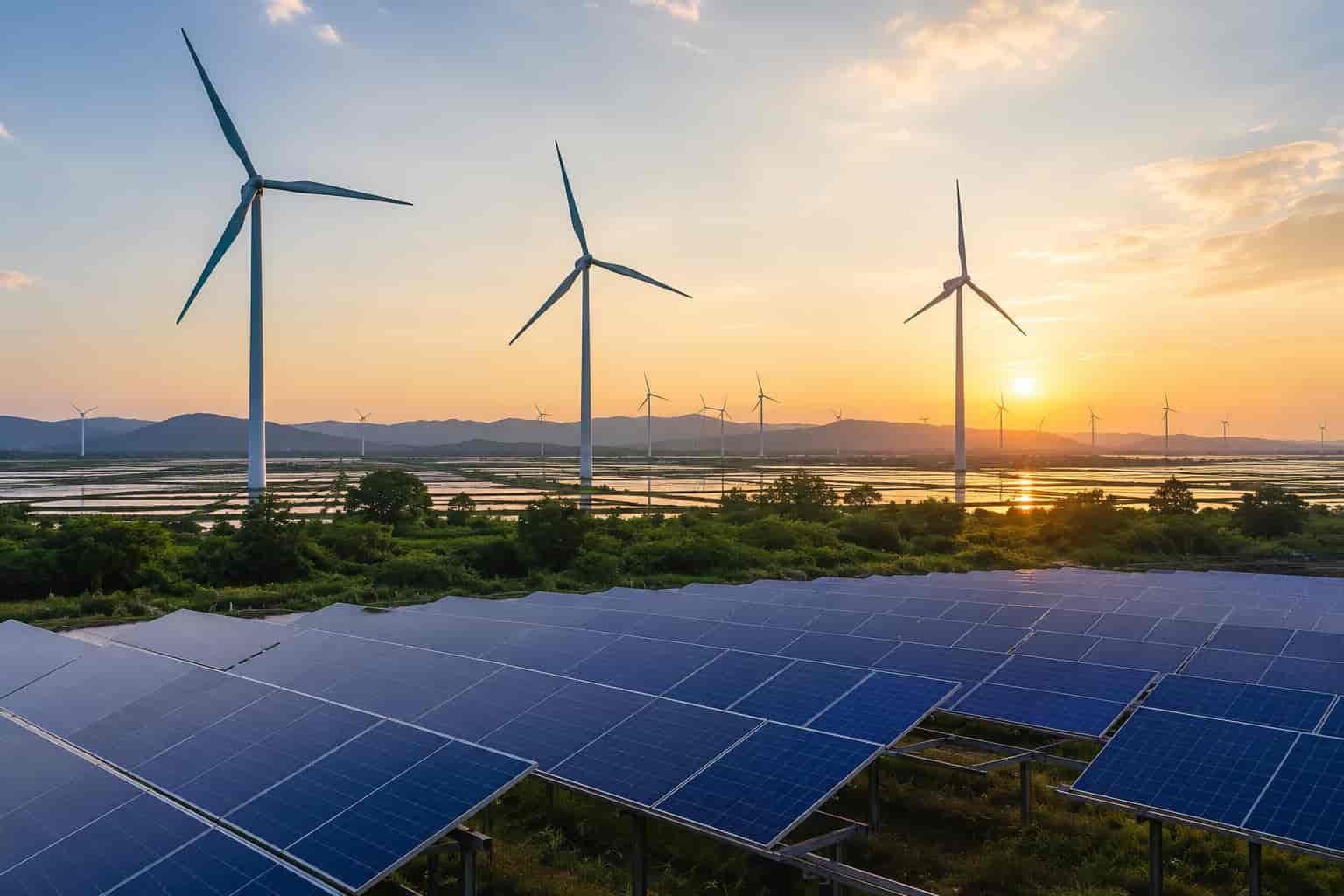
India’s renewable build-out is usually measured in gigawatts. A recently released report of Zurich Resilience Solutions puts a different number on the table: the replacement...

A global consultancy expects grid spending to reach US$970 billion a year by 2050, driven partly by AI. But the chips behind that demand may...
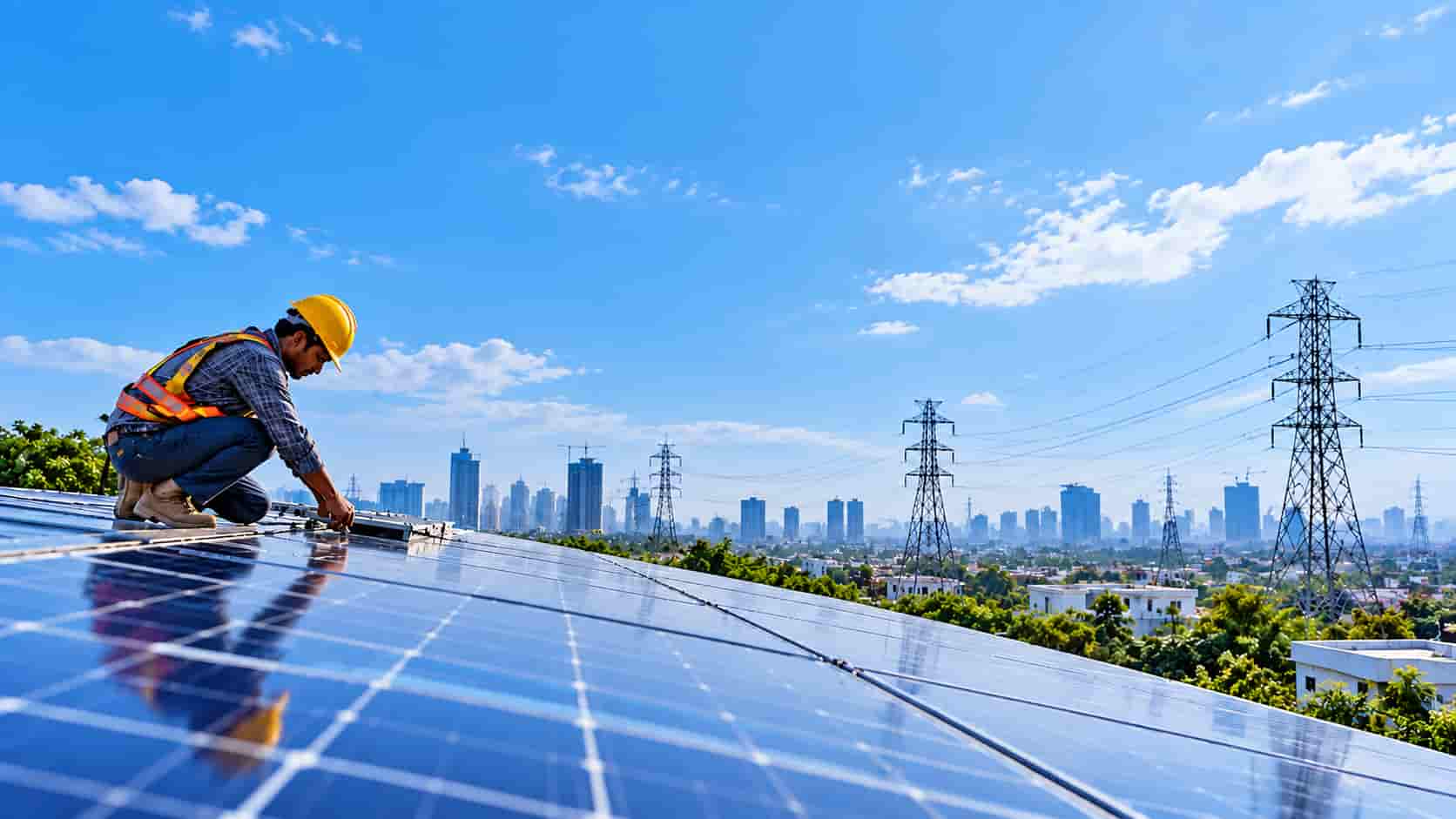
Cost once decided which power source won. Now time does. Gas turbines are booked into 2031, households are investing billions, and trade barriers are rising....
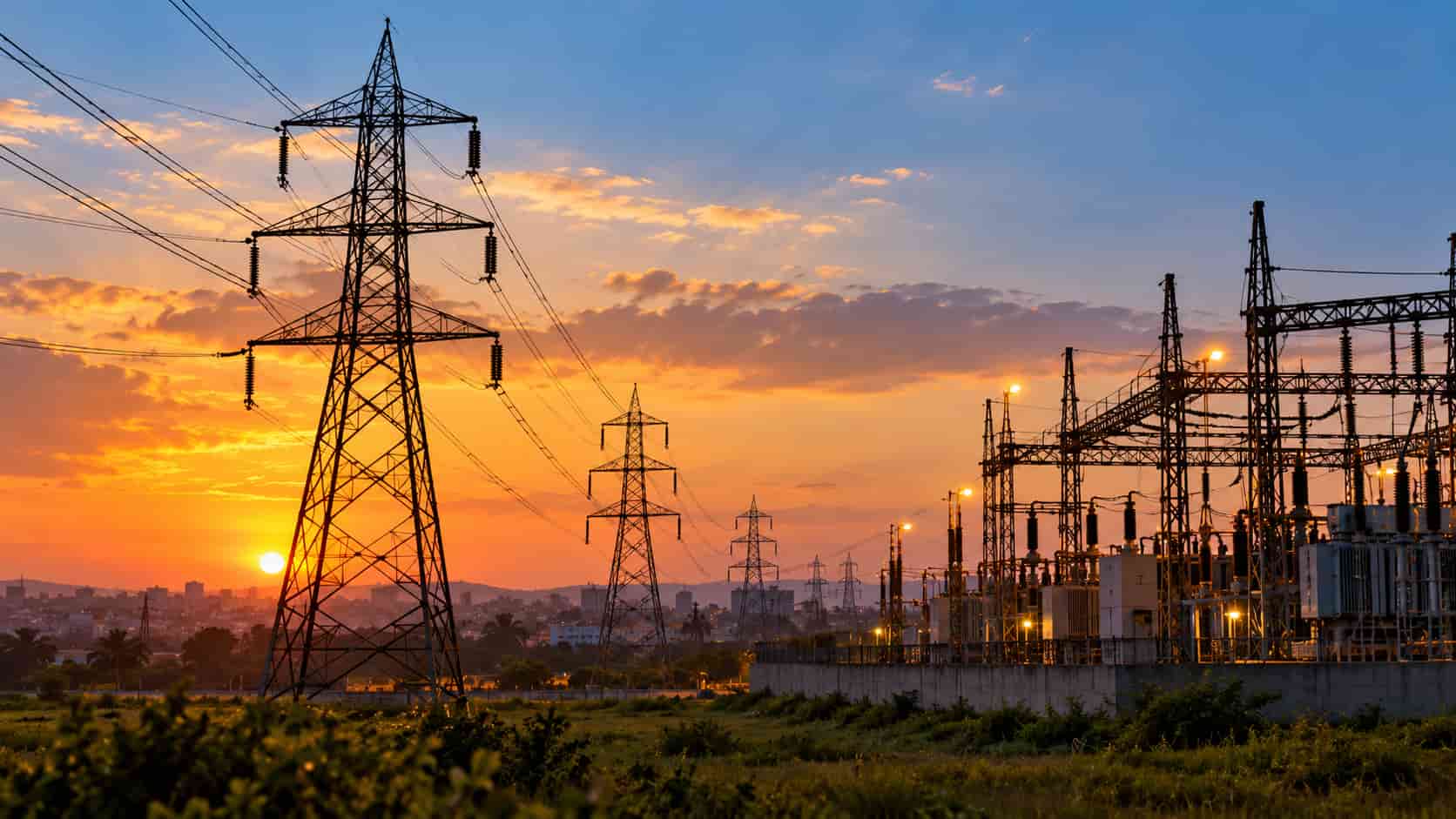
The International Energy Agency’s (IEA’s) new special report on electrification finds that India’s electrification rate could climb from 19% today to 32%, simply by deploying...
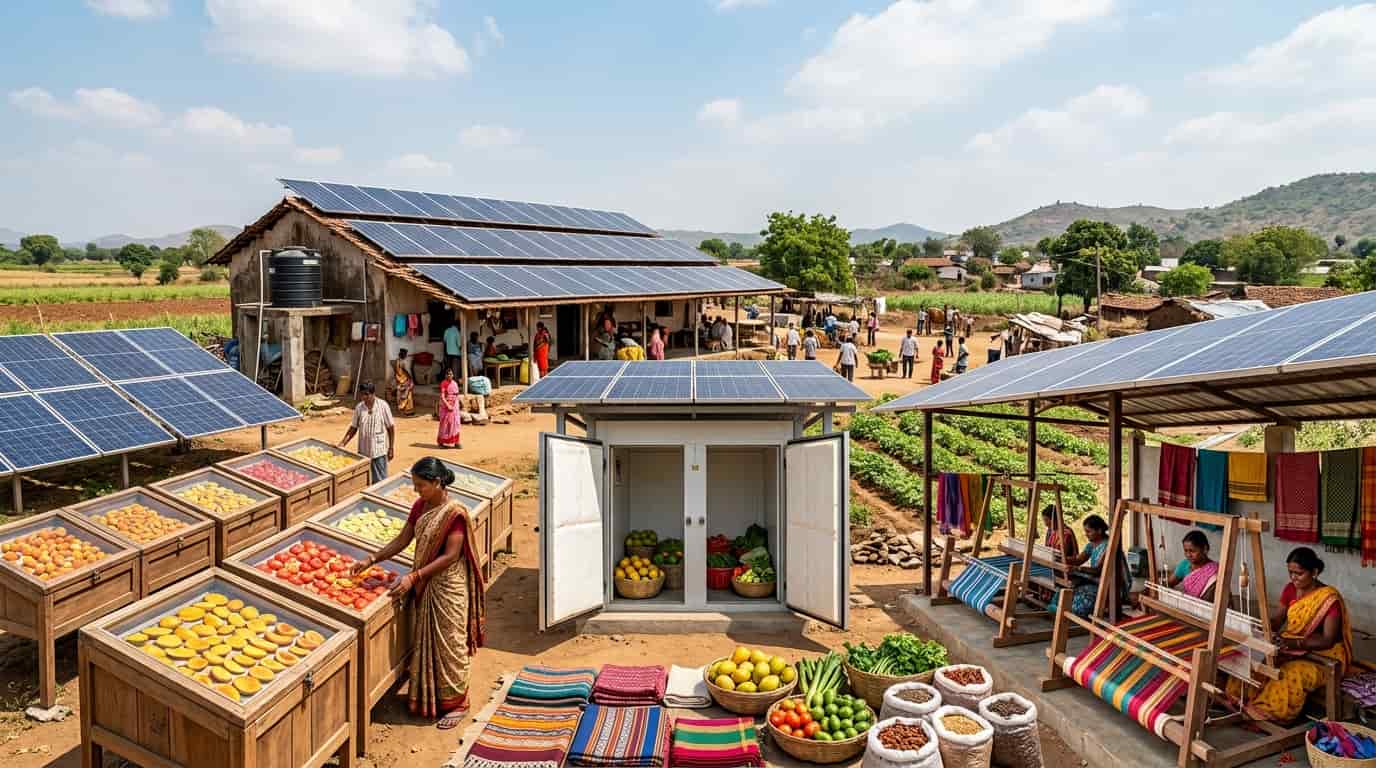
India’s solar-powered livelihood tools, from dryers to cold rooms, show strong returns, with 87% of surveyed users reporting higher incomes. Yet adoption is under 3%...

India is meeting its transition costs with household subsidies, not a carbon price. A new study says returning carbon revenue to households is not enough;...
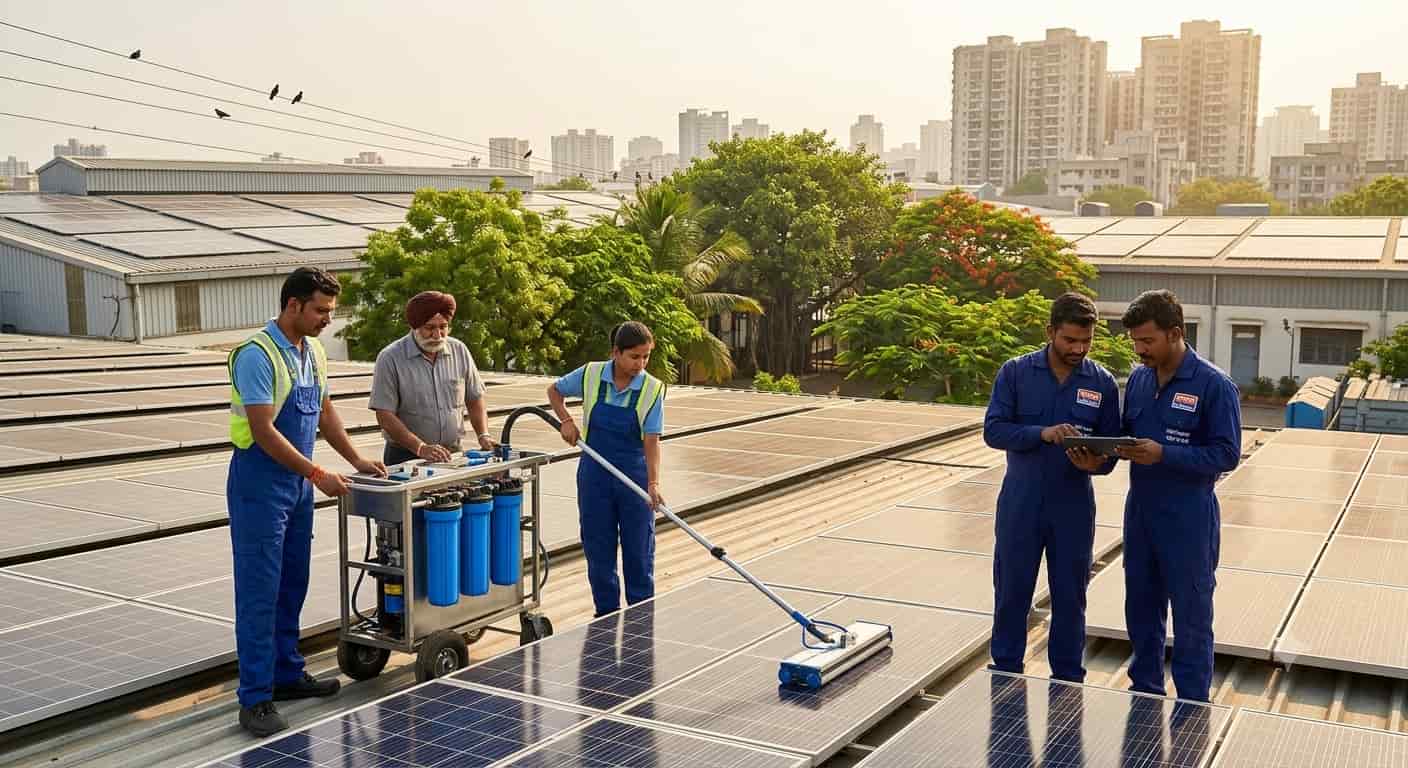
India’s rooftop solar scheme has crossed 50 lakh homes, but its next phase is taking shape through rules, not cash. The government is weighing local...
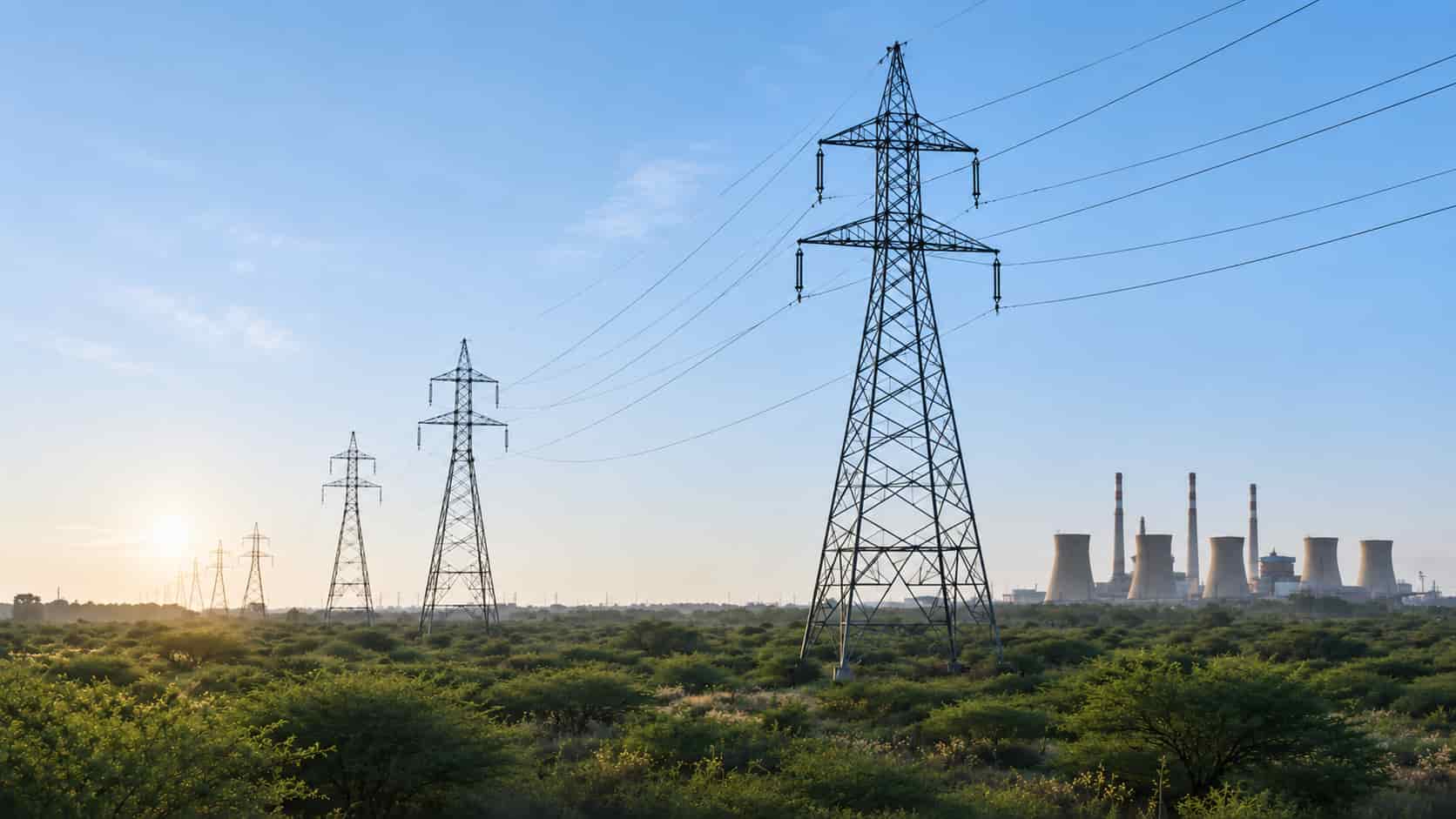
India’s power sector is entering a capital supercycle. NTPC alone has outlined a ₹16.86 lakh crore (US$176.4 billion) capex plan through FY37, while the government...
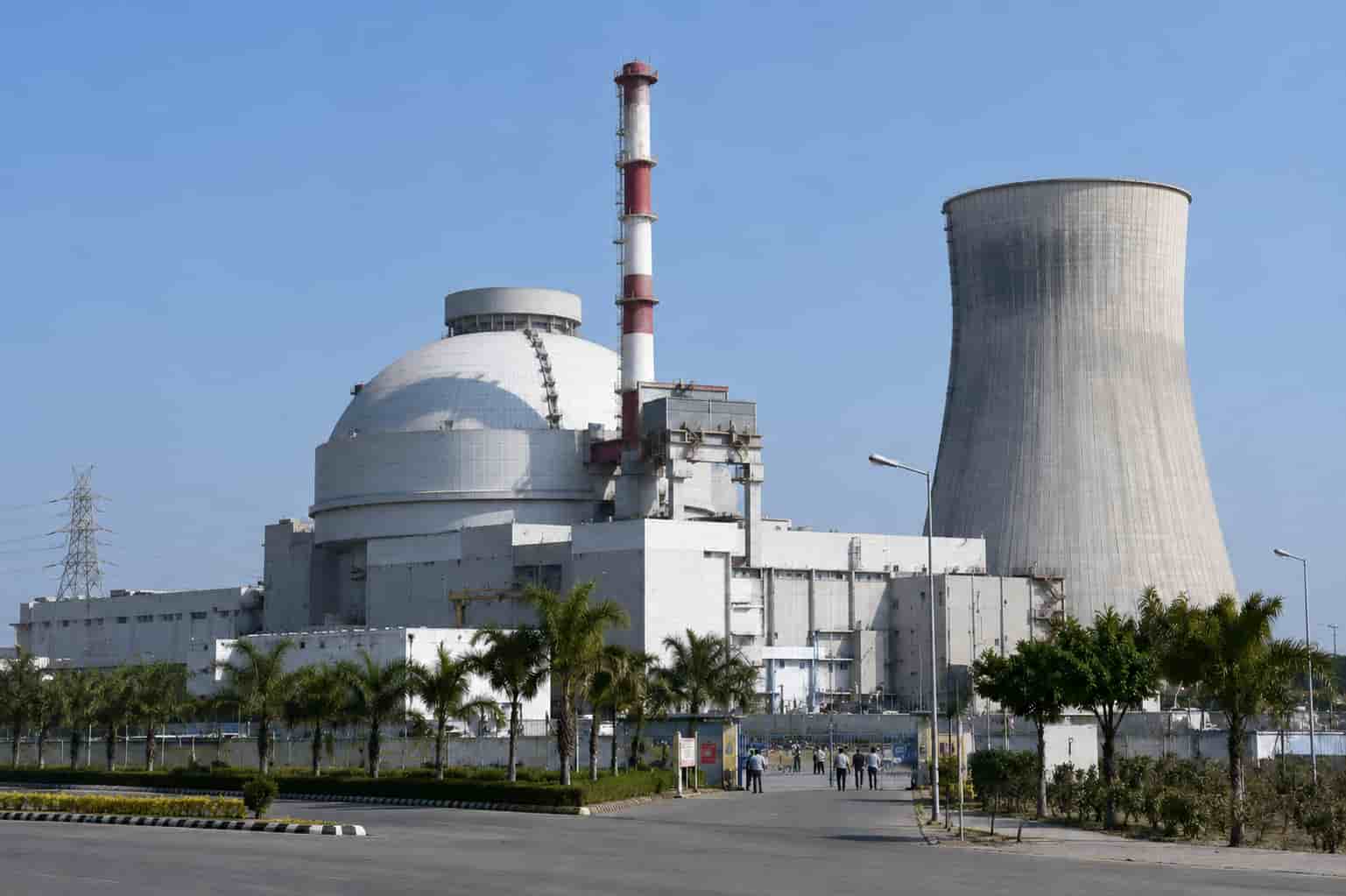
India wants to grow nuclear capacity from 8.78 GW to 100 GW by 2047, a target built on private capital, foreign reactor technology and a...
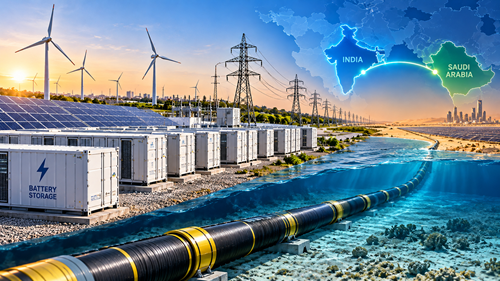
India’s battery storage needs hit 236 GWh by FY32, requiring $36.1bn A Rubix Data Sciences report estimates India’s battery storage requirement at 236.22 GWh by...

India and Saudi Arabia have completed a feasibility study for a 2,100-km undersea link estimated at around US$9bn, carrying 3 GW through high-voltage direct current....
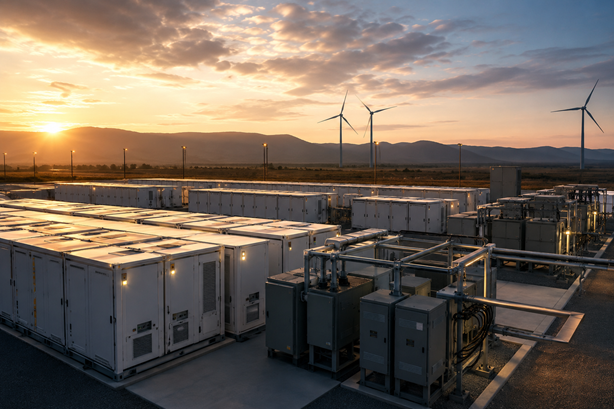
Saudi Arabia's state power procurer, the Saudi Power Procurement Company, has signed storage service agreements for four battery energy storage projects with a combined capacity...

Multi Commodity Exchange of India plans to invest up to ₹200 crore (US$21m) to establish dedicated trading platforms for coal and minerals, with SEBI having...
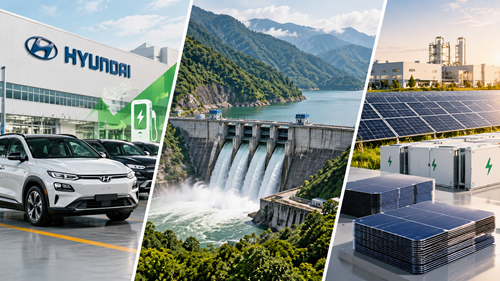
Hyundai Motor Group commits $15.5bn to India through 2032 Hyundai Motor Group has committed $15.5bn to India over 2026–2032, announced after Executive Chair Euisun Chung...
India’s $19.3bn corridor targets 135 GW renewables and 50 GWh storage The Union Cabinet has approved Green Energy Corridor Phase III, with a total outlay...
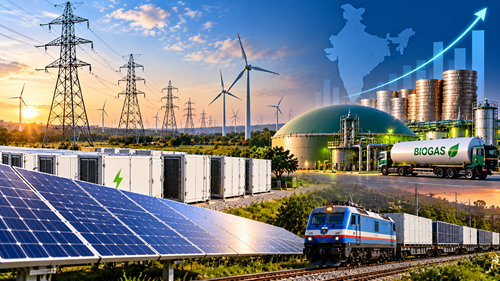
India’s $19.3bn Green Energy Corridor III targets 135 GW of renewables and 50 GWh of storage The Union Cabinet has approved Green Energy Corridor Phase...
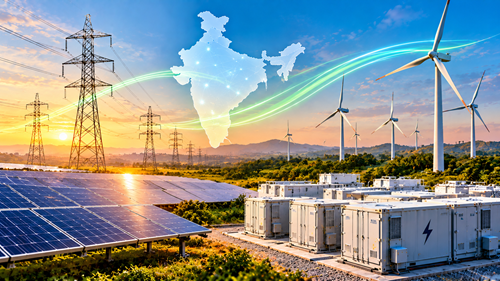
EQT commits $50bn to India by 2030, with $30bn targeting data centres Swedish private equity group EQT plans to invest around $50 billion in India...

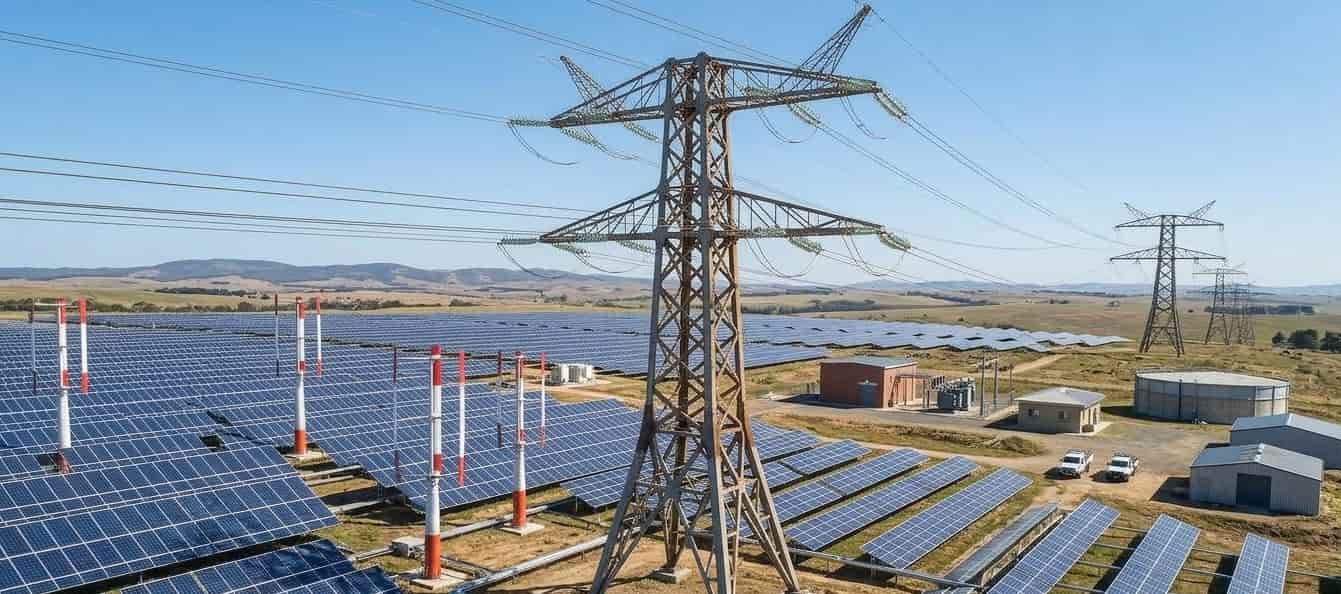
September showed how fast India’s power demand can jump. Peak load rose 17% in a year, and evening shortfalls returned. Behind the swing sit three...
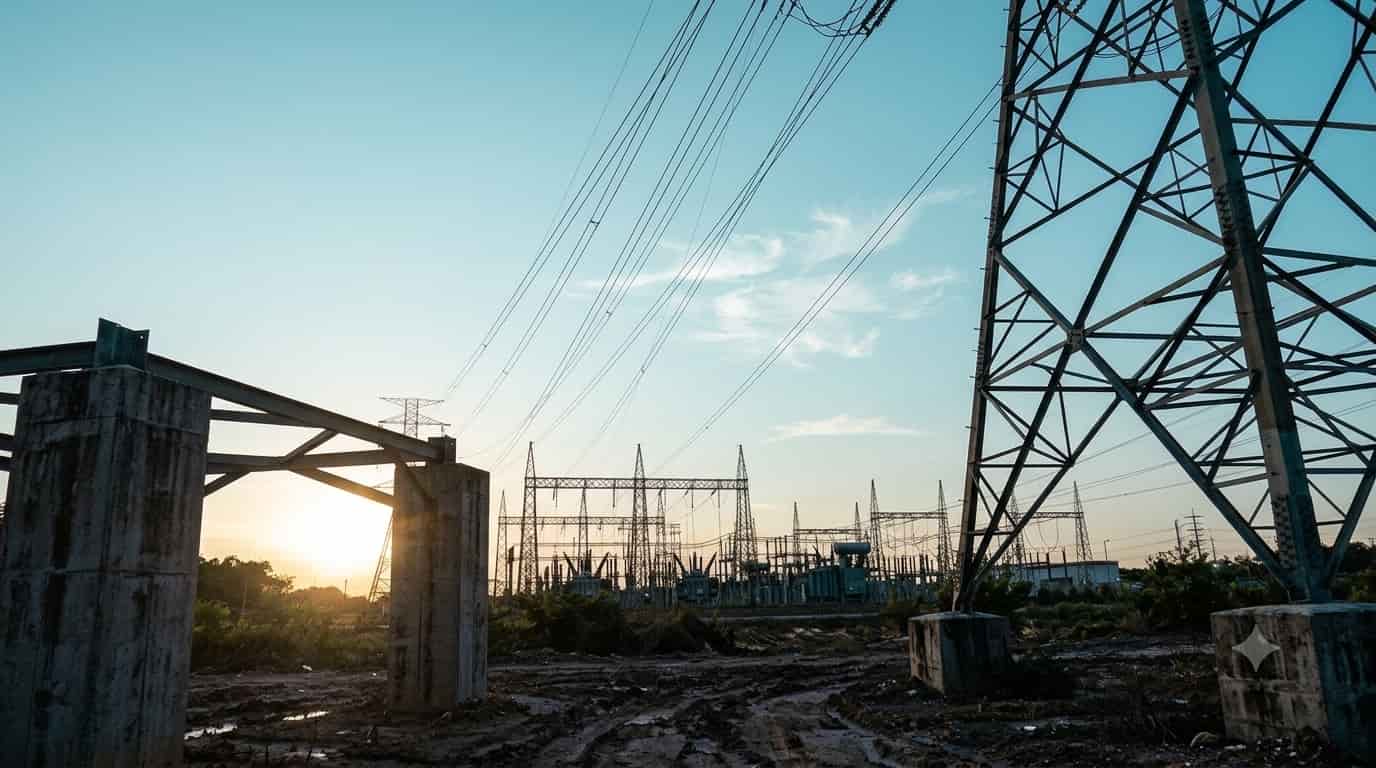
India’s grid reached mid-October with demand still near summer levels, wind output sharply down and coal stocks barely recovering. The sharpest signal came from Tamil...
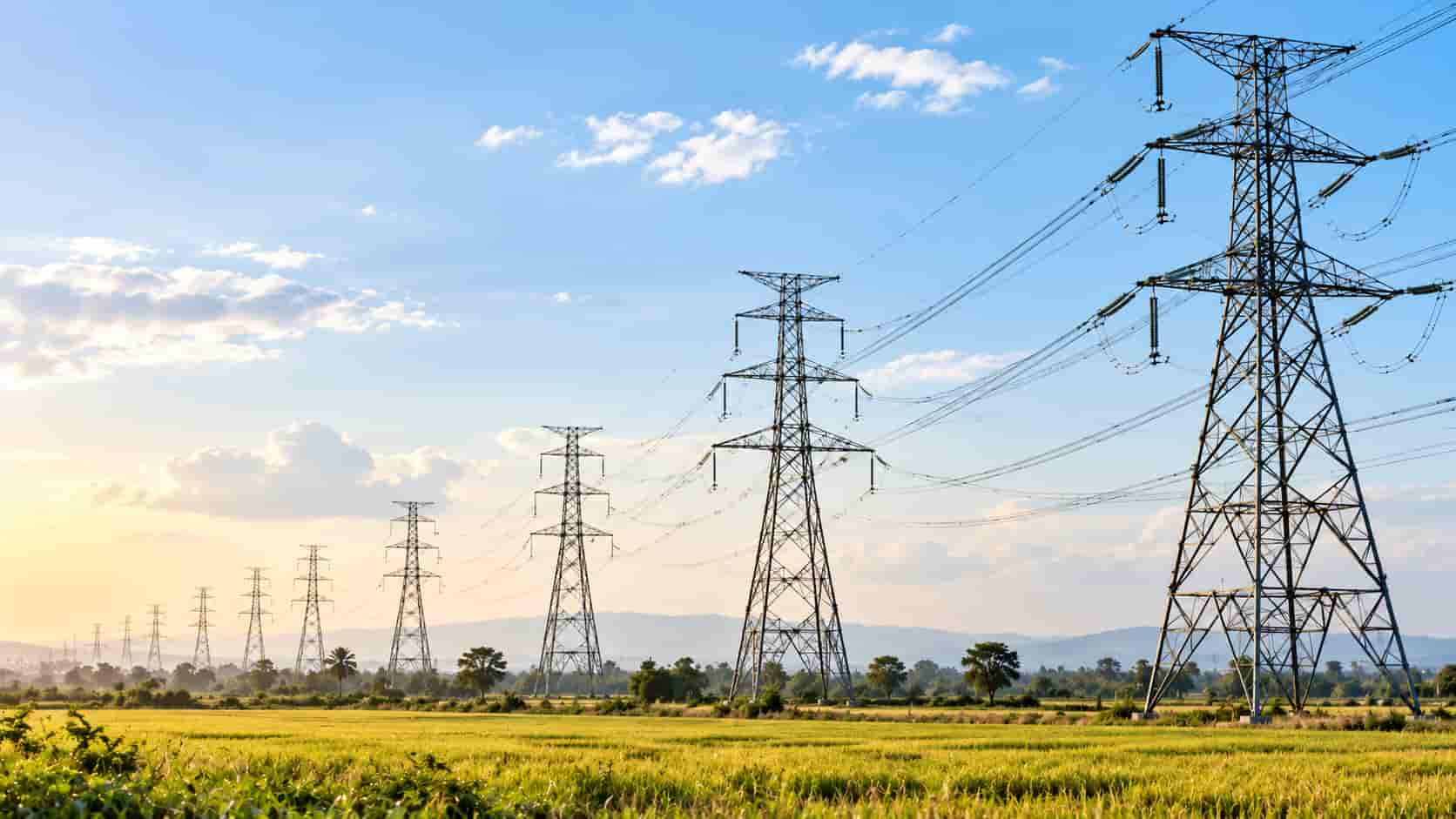
India’s power sector spent the past week absorbing the fallout of September’s supply strain. A near-record demand peak met a critically thin coal cushion, prompting...
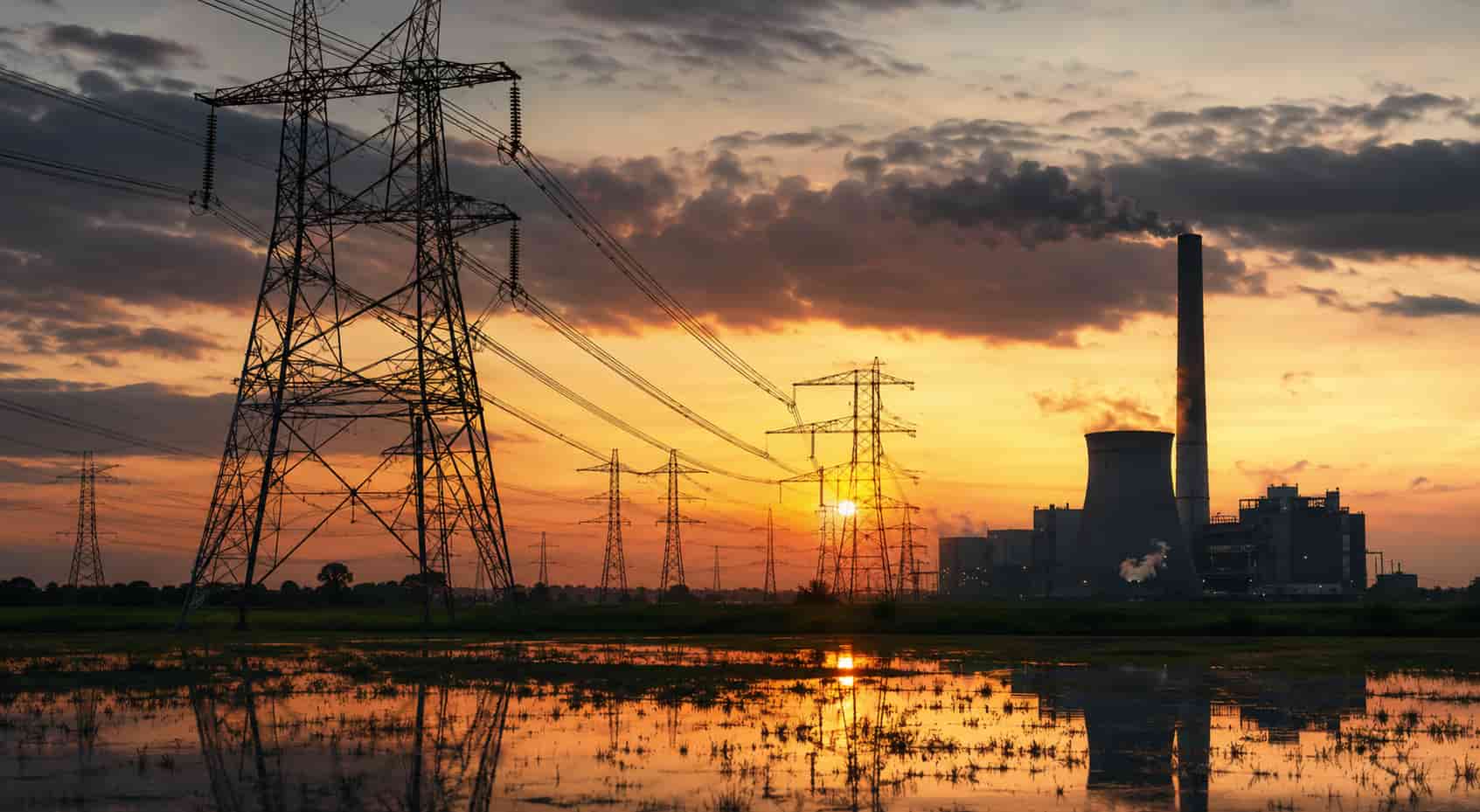
India's power sector traded summer's demand records for monsoon-season recalibration this week. Discom dues data, a set of regulatory moves including a storage-friendly transmission waiver,...
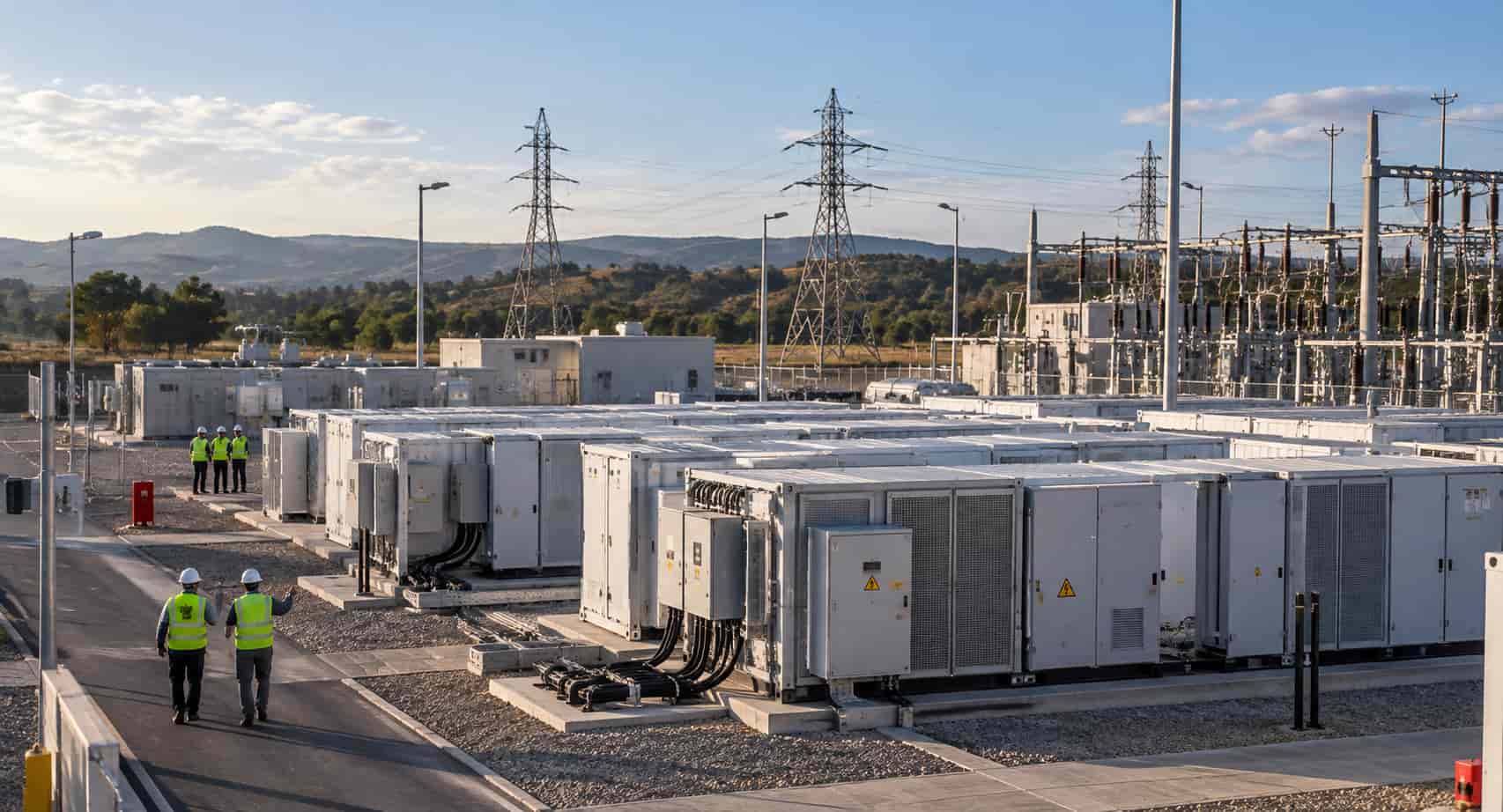
India’s battery energy storage market has moved from pilot projects to large-scale deployment. New capacity of 8.2 GWh was added in the first half of...
India expects 45–50 GWh of battery storage over this fiscal and the next, up from about 1 GWh. But bids were won on 2025 cell...
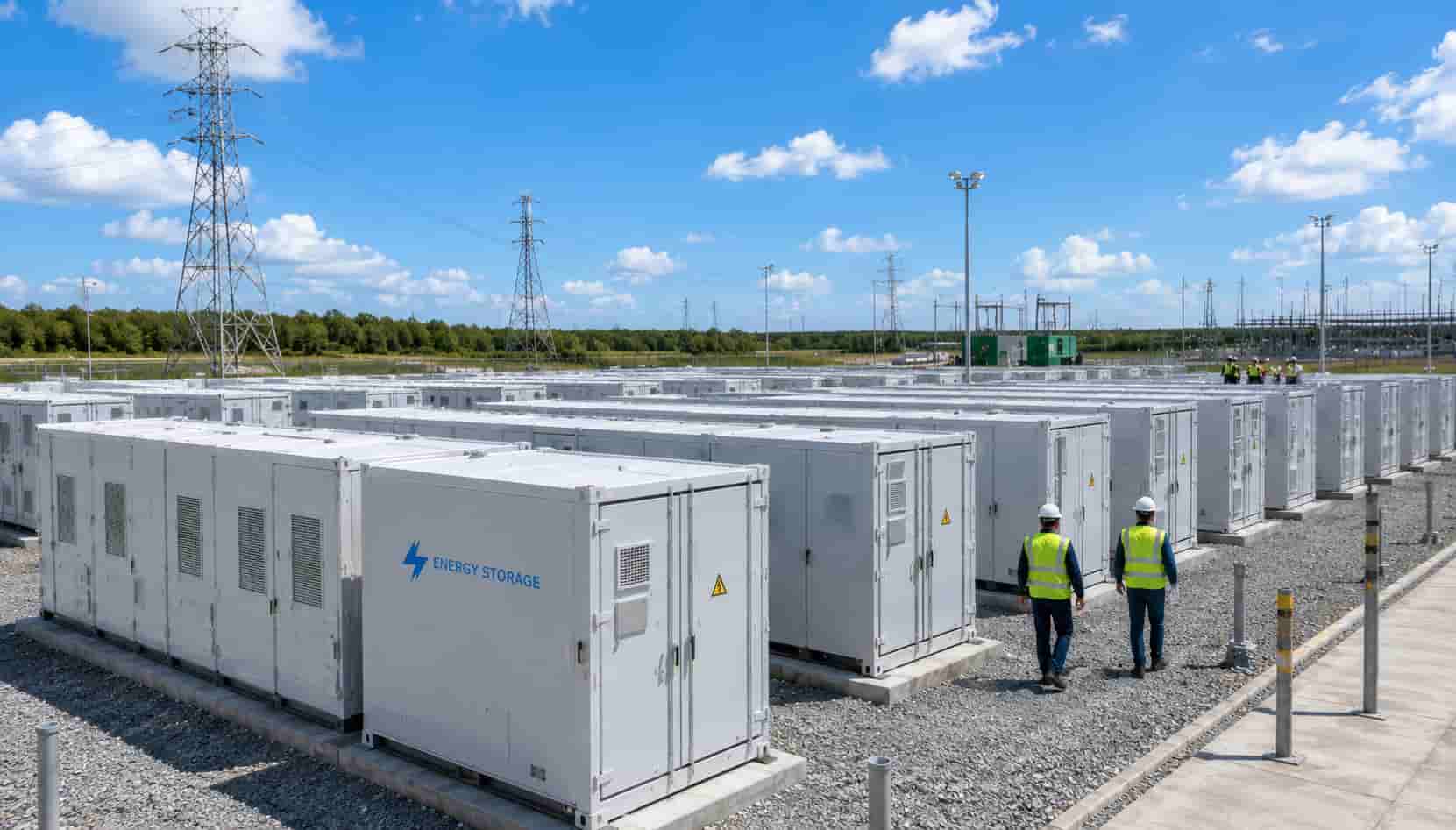
India’s energy storage tenders are exploding in scale, but a new industry assessment finds the country remains 10–15 years from making its own battery cells...
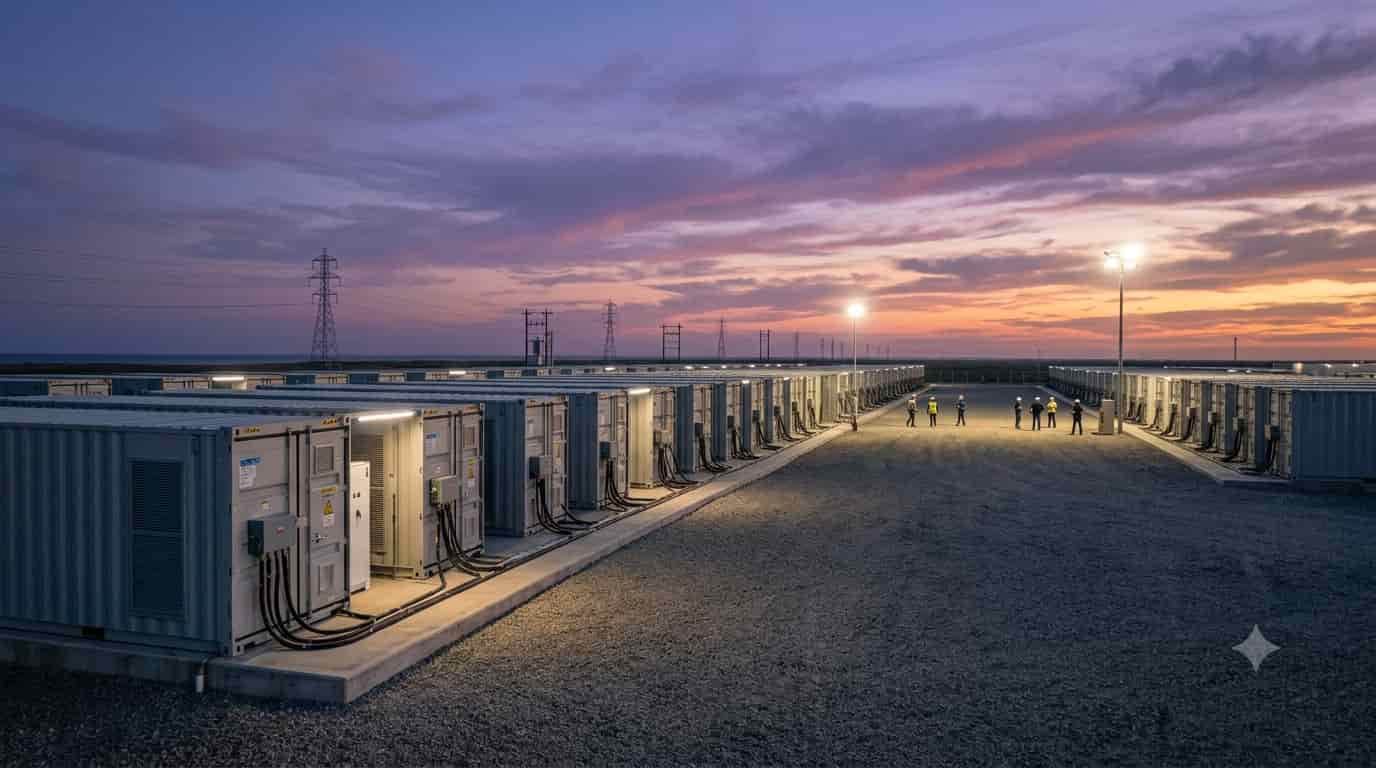
Global 2030 storage targets now add up to 822 GW, almost three times the level seen at COP29, but still well short of the 1,500...
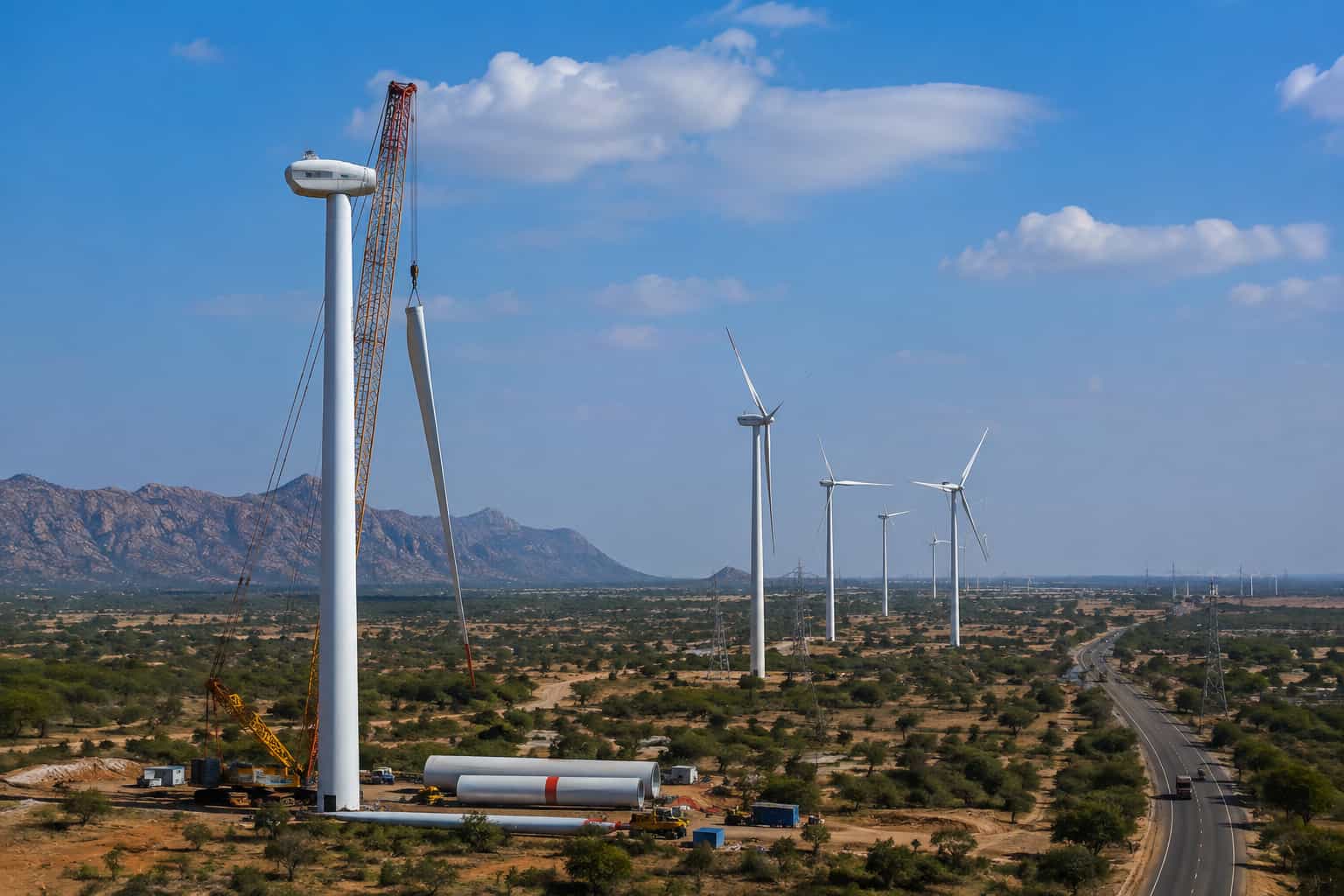
India’s wind sector is having its best year in decades, but from 31 August, it loses the special grid protection that has cushioned it since...
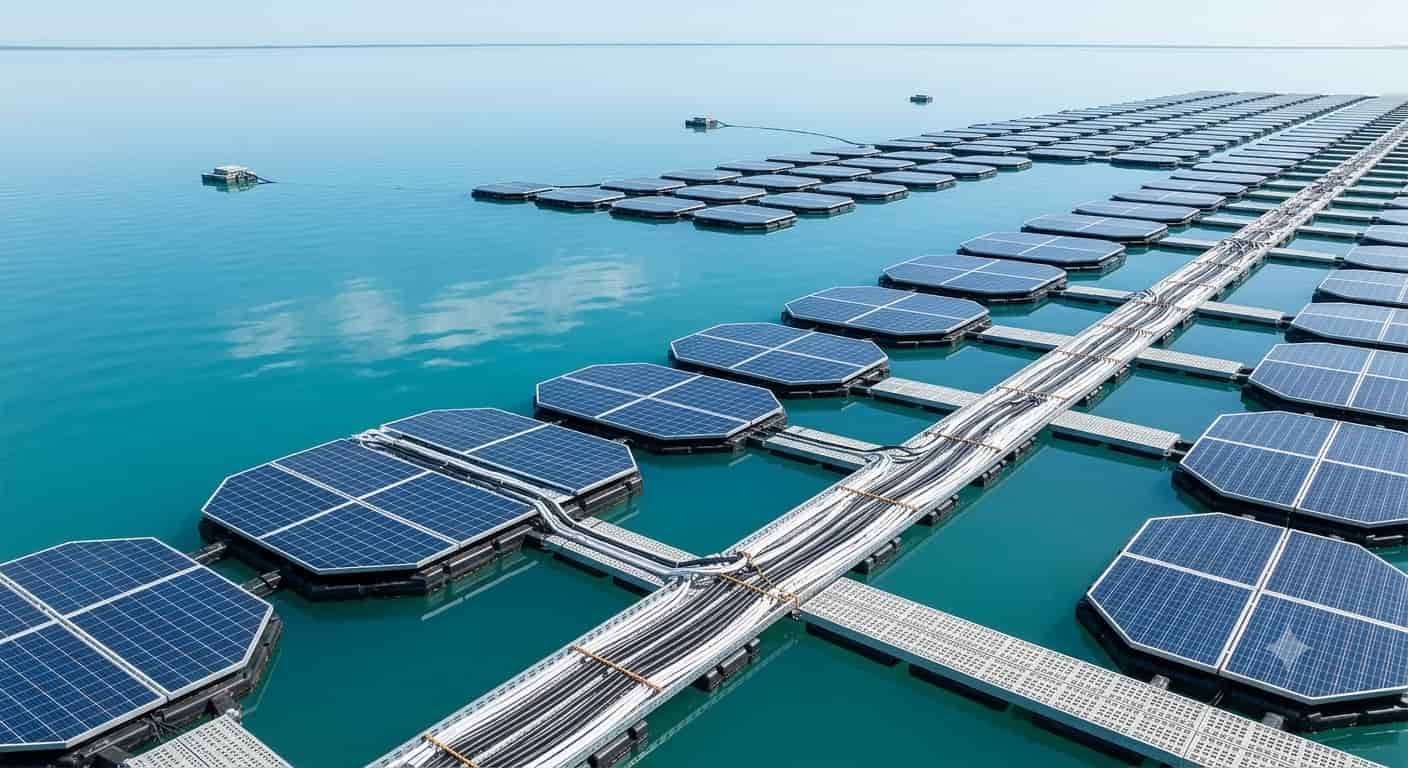
India's solar capacity has grown from 3 GW in 2014 to over 162 GW today, but land is running scarce. Floating solar, panels mounted on...
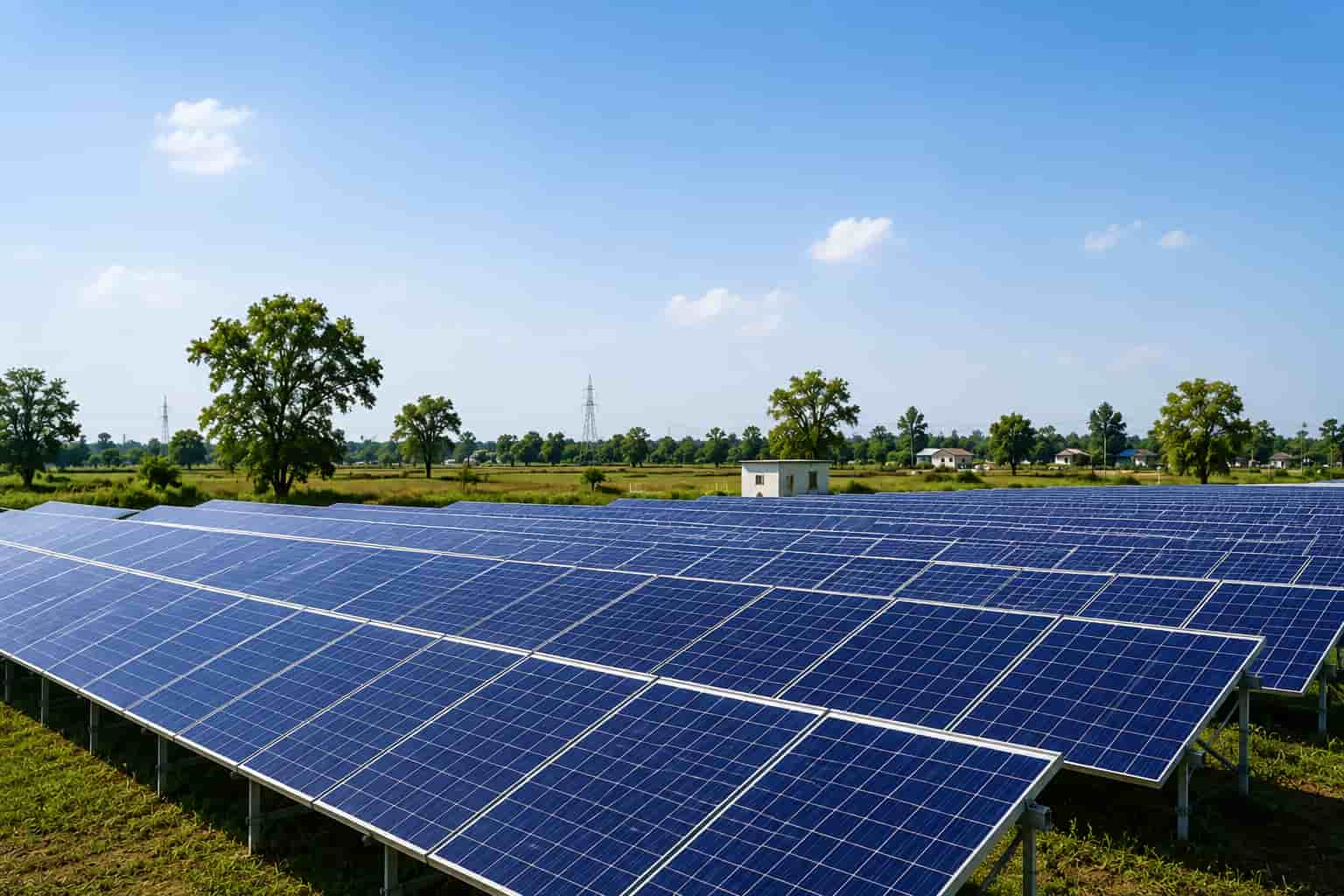
India's distributed solar capacity has surged from 1.8GW to 31.5GW since 2018, driven by government subsidy schemes. But its share of total renewable installations has...
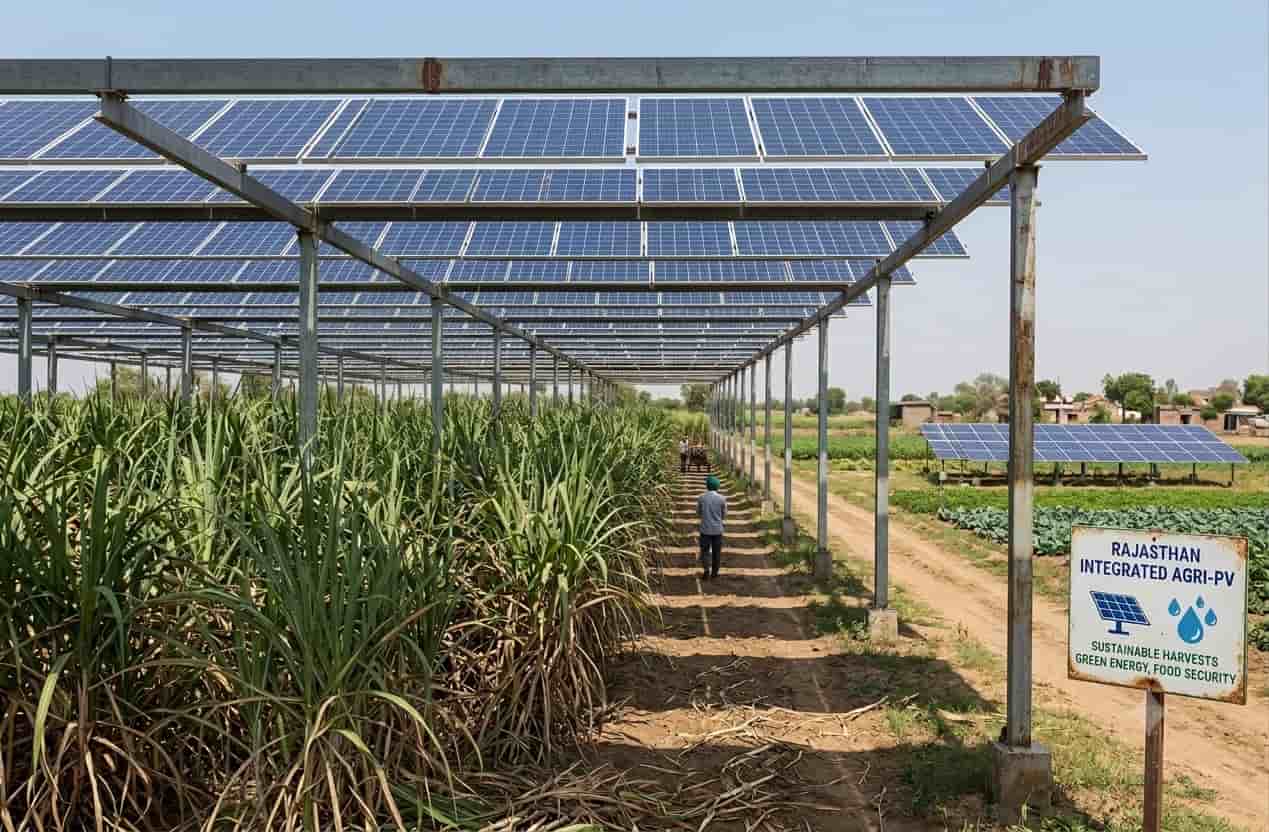
India's solar sector has spent two years worrying about grid bottlenecks and land competition with farmers. New research suggests both fears are largely misplaced: land...
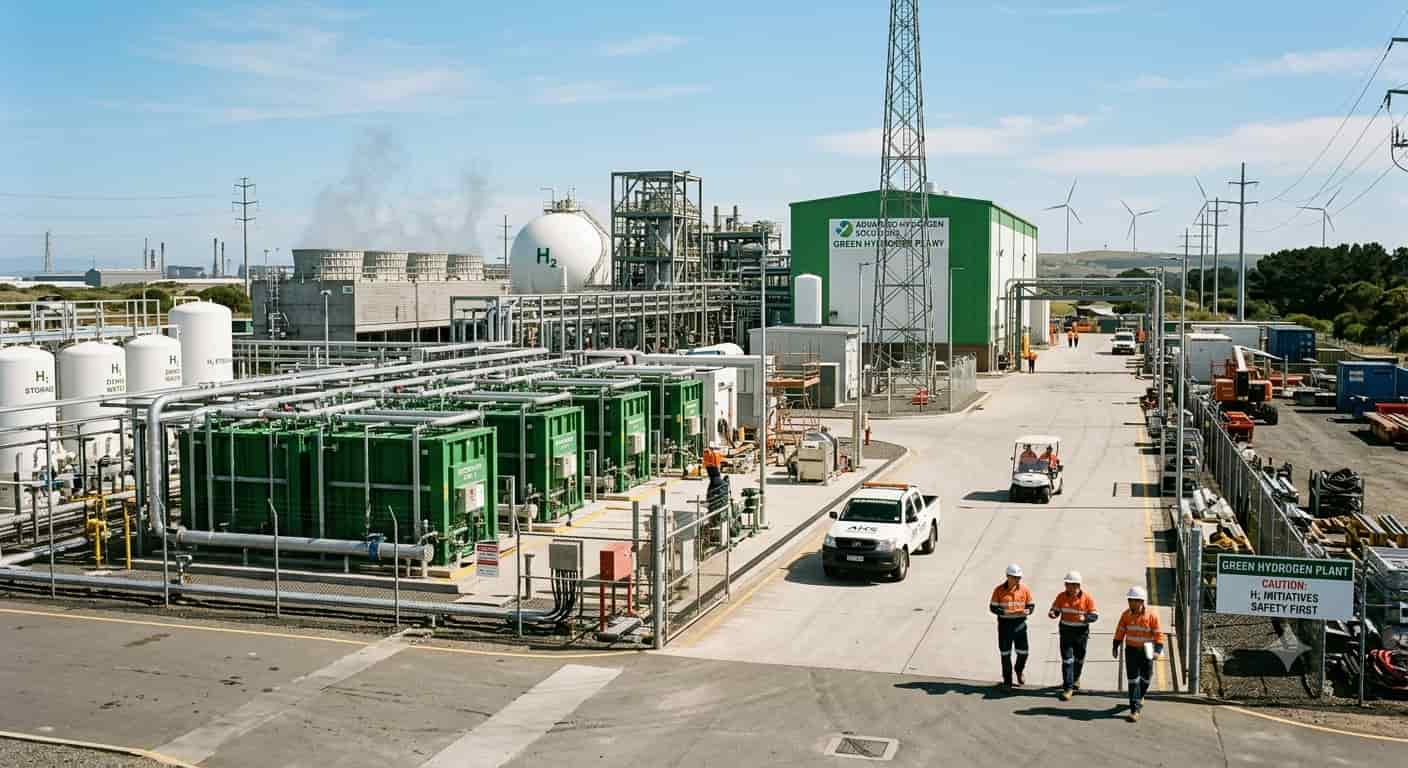
Clean hydrogen has moved from pledges to plants, with 579 projects now committed and operational capacity growing fast. Yet barely 1% of the world’s hydrogen...
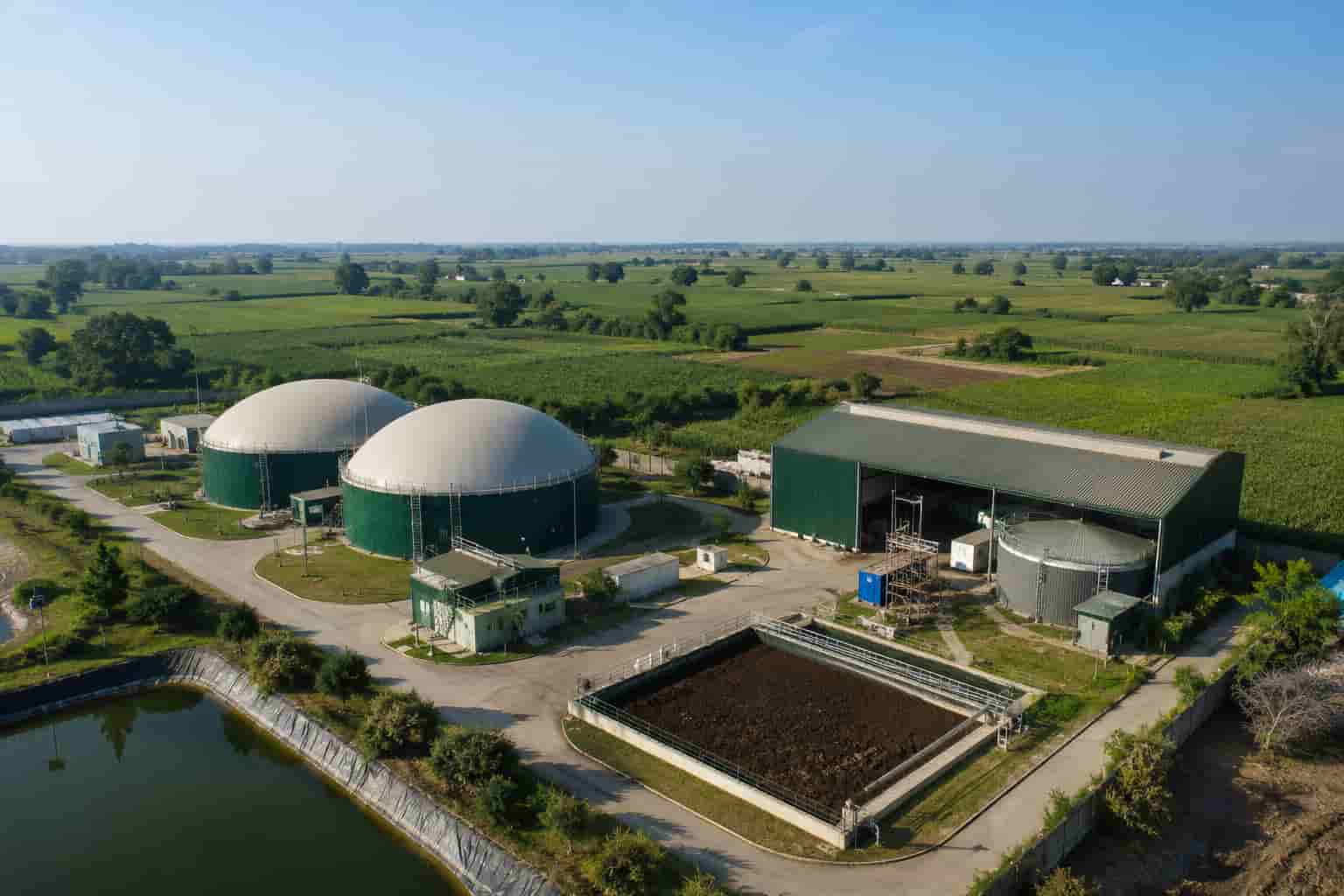
India's compressed biogas sector is scaling rapidly, backed by SATAT, the National Bioenergy Programme, and billions in projected investment. Yet beyond capacity additions, plants face...
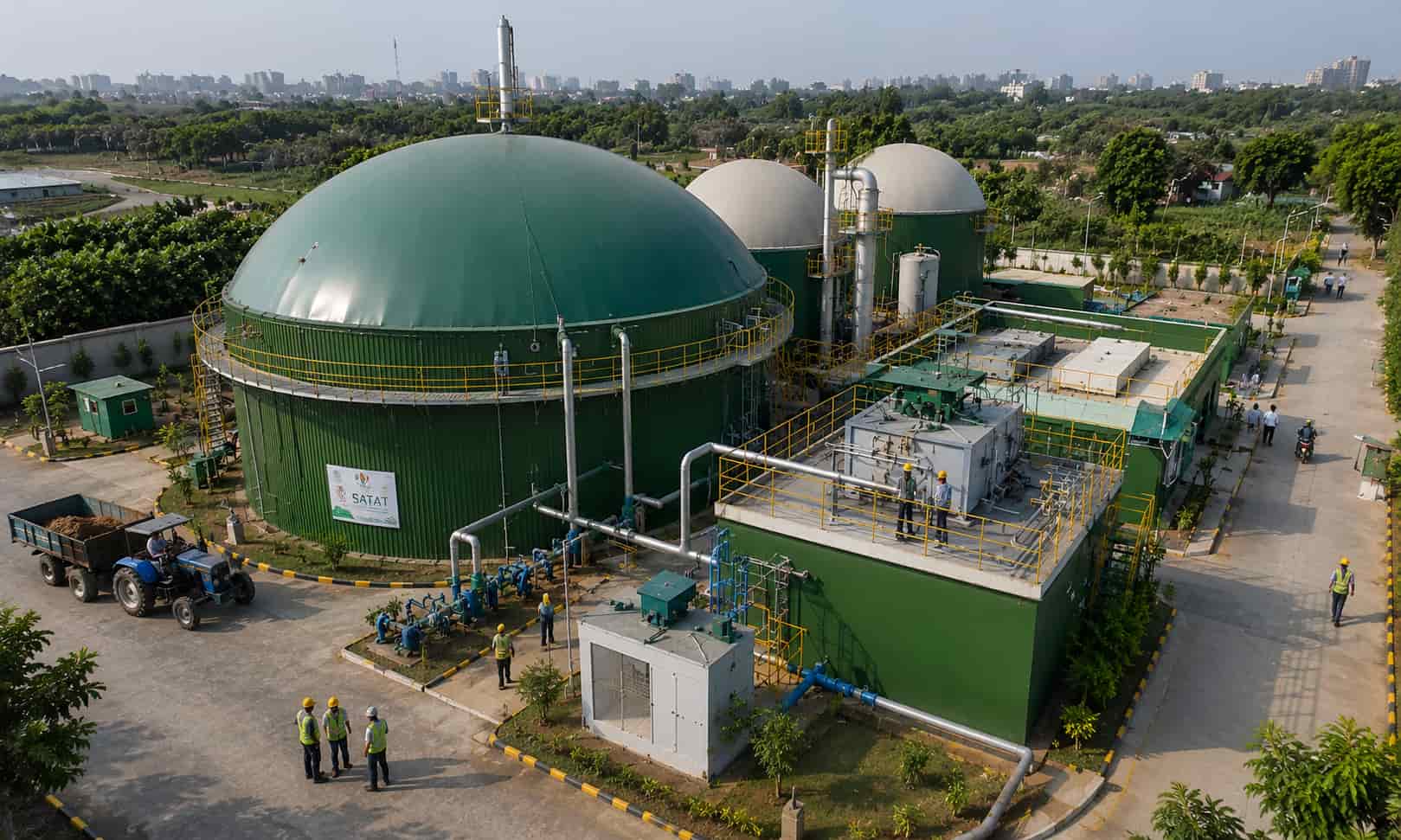
India is increasingly turning to biogas and compressed biogas (CBG) as part of its clean-energy transition, viewing organic waste not merely as a disposal challenge...
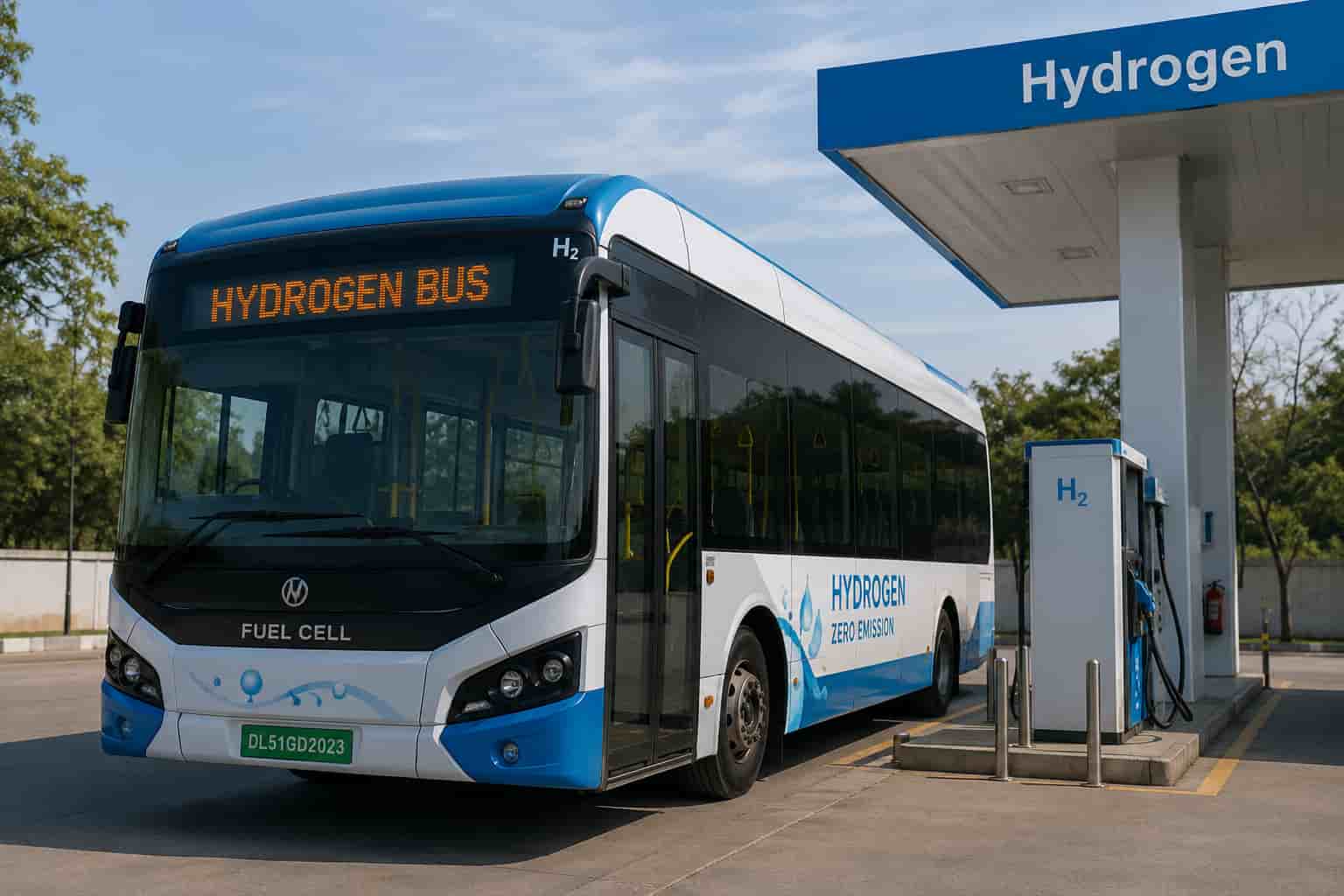
India’s hydrogen mobility ambitions are moving from policy discussions to real-world trials, with hydrogen fuel-cell buses operating in Delhi and India’s first hydrogen-powered train planned...
Brent touched US$111.99 a barrel this week, its highest since May, as attacks and mines cut crude flows through Hormuz to about 70% of pre-war...

Asian spot LNG for December delivery rose to US$29.30 per mmBtu, the highest since December 2022, as Europe and Asia chased the same cargoes and...

Brent climbed to about US$106 a barrel this week, as Houthi attacks on Saudi Arabia and ship strikes near Hormuz outweighed a US licence easing...

Asian spot LNG for December delivery rose to US$30.50 per mmBtu, its third weekly gain, as Chinese and South Korean buyers stayed active. Dutch gas...

India sent a record 2.6 million tonnes of coal a day to power plants, but stocks still fell about 5% in October and 96 plants...
India’s coal imports surged 23.7% week-on-week to 4.97 MT during 11–17 October, reversing the decline recorded in the previous week. Both major categories strengthened, with...
Coal stocks at power plants held near 20.8 million tonnes as the daily drawdown almost stopped. Yet 87 plants stayed critical, and the head of...
India’s coal imports fell 5.4% week-on-week to 3.80 MT during 4–10 October, as a stronger flow of steam coal was more than offset by a...
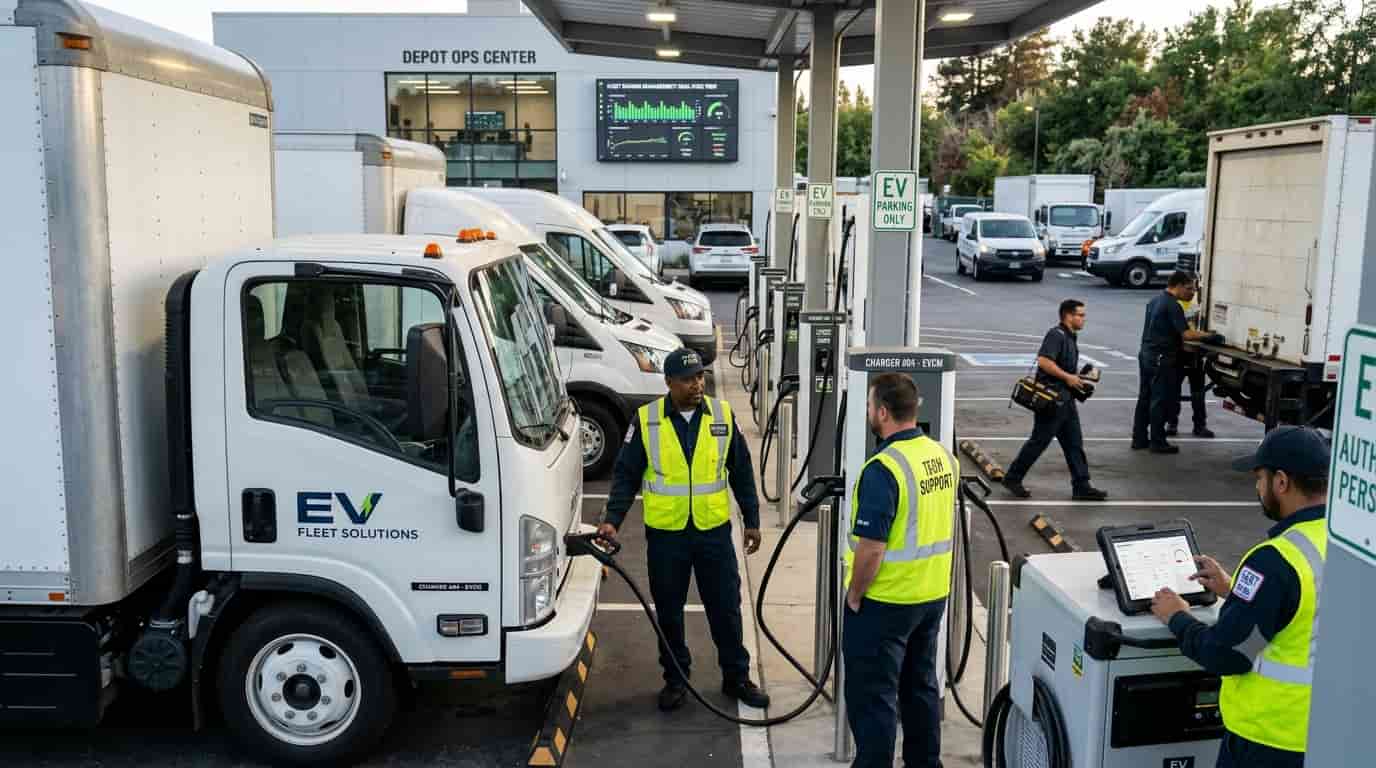
Electric fleets rarely fail for want of range. They fail for want of visibility. Charge management software answers this by placing depot chargers, public stations...
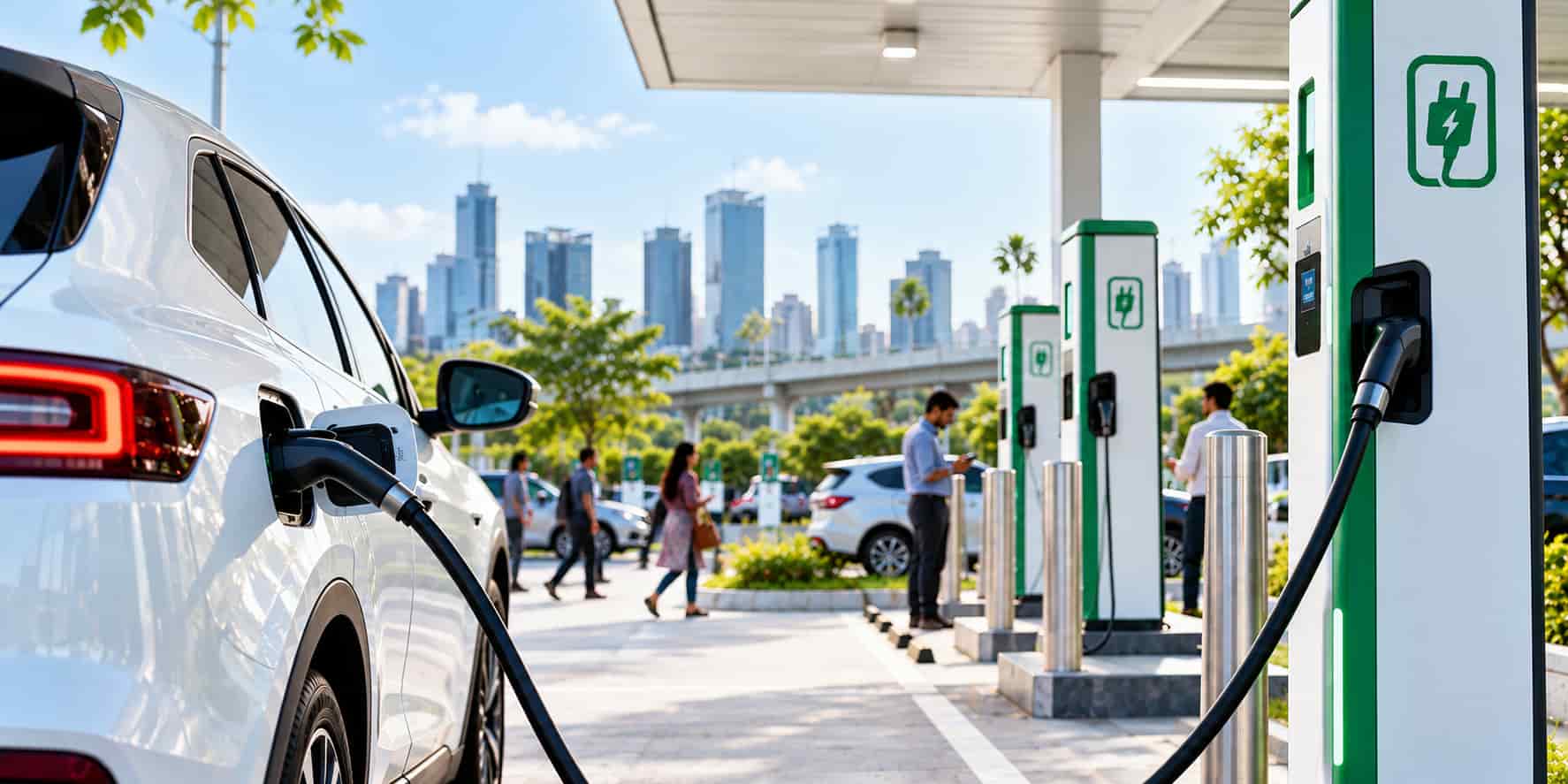
India added chargers at speed, from about 5,000 public stations in 2022 to 29,151 by December 2025. But utilisation of 1–3% leaves operators carrying high...
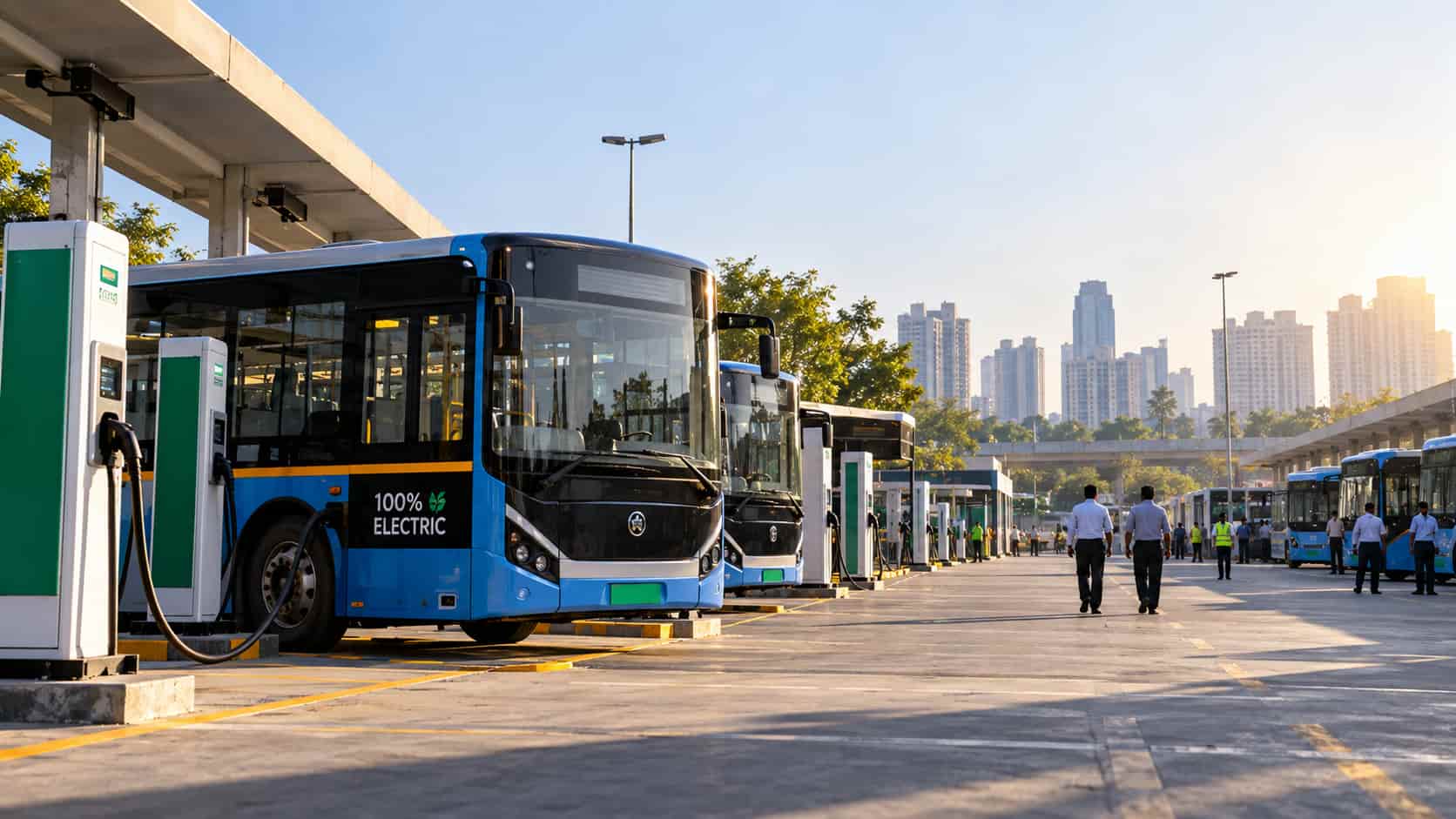
India sold 5,412 electric buses in FY26, yet almost the entire fleet on the road belongs to state transport undertakings. The reason is less about...
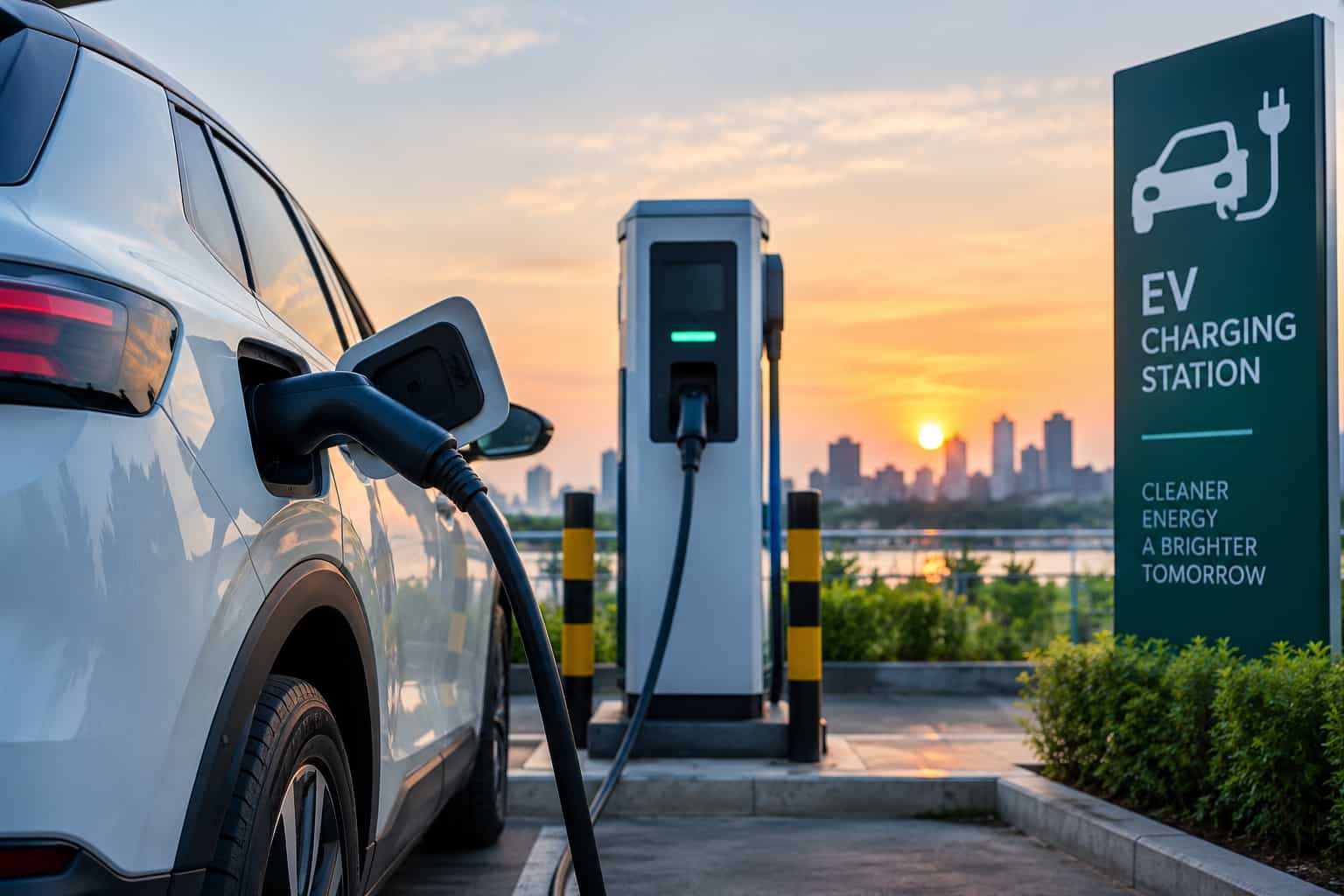
India’s EV financing market is projected to reach ₹3.7 lakh crore (roughly US$50 billion) by 2030, but lenders are increasingly focused on a basic question:...

Artificial intelligence is usually credited with making renewable energy smarter and cleaner. A new peer-reviewed study argues the fuller picture is considerably less reassuring. AI,...
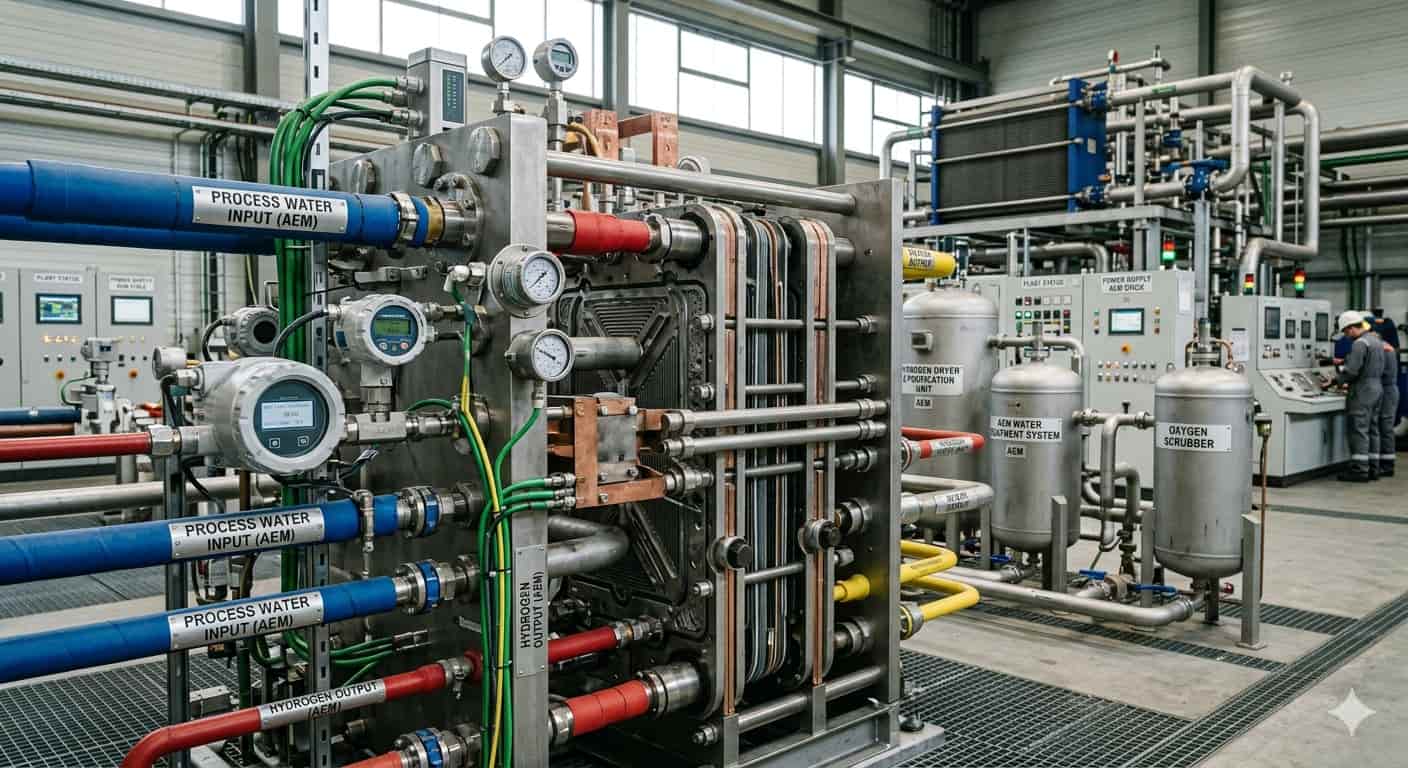
AEM electrolysers are emerging as a promising next-generation technology in India’s green hydrogen push, offering a potential balance between cost and performance. By reducing reliance...
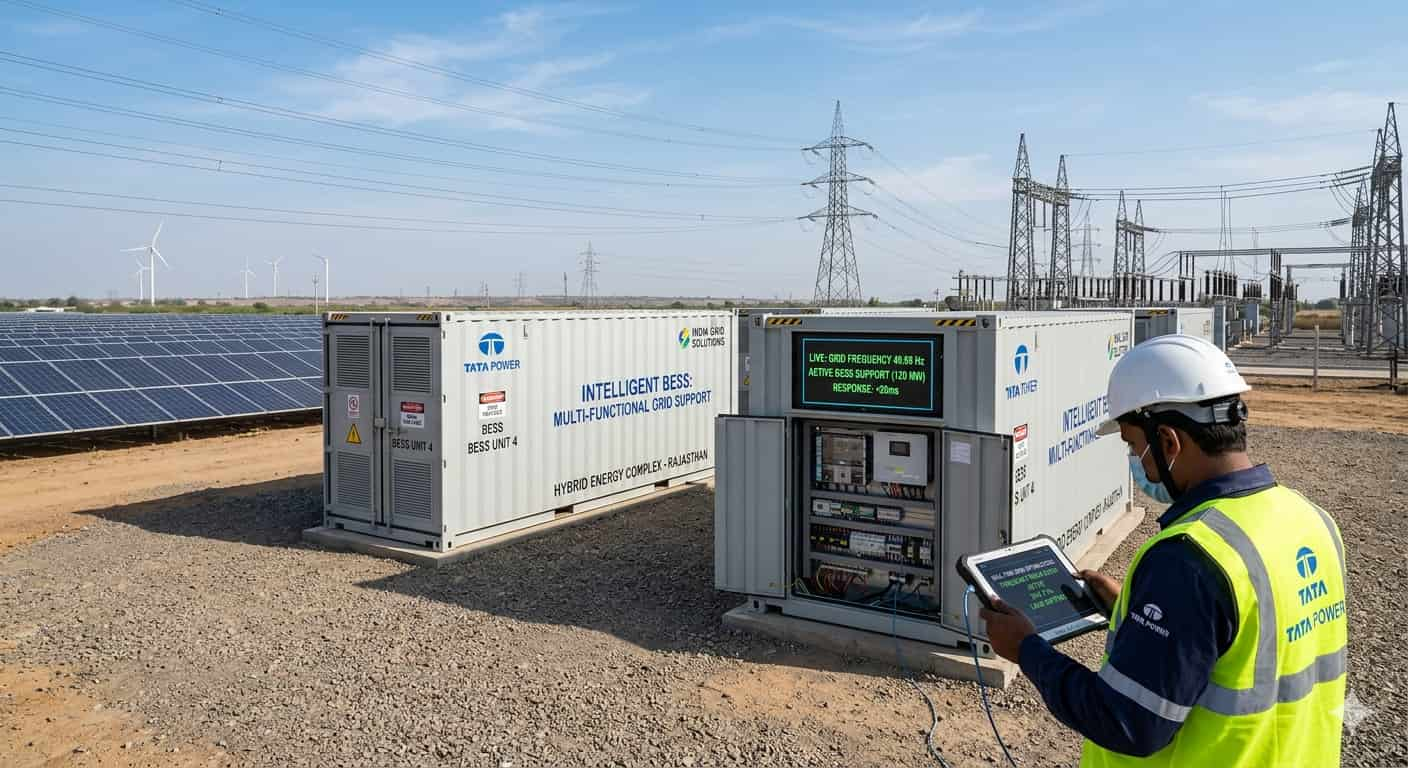
India’s battery storage systems are evolving from passive assets into intelligent, multi-functional components of the power sector. Advances in chemistry, power electronics and digital control...
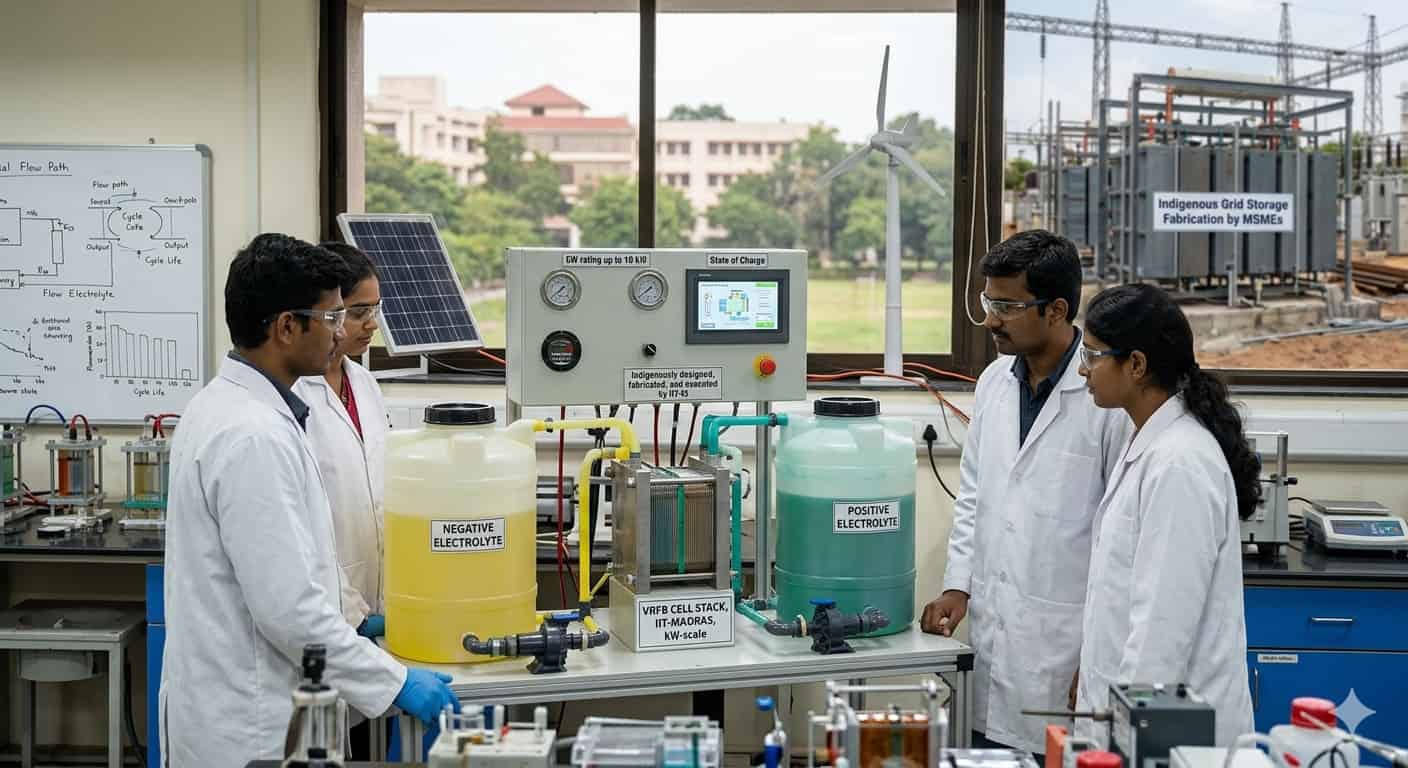
Researchers have successfully researched upon an alternative to conventional lithium-ion and lead-acid batteries for industrial usage, Indian Institute of Technology, Madras (IIT-M) told media. With...

World Bank targets $19bn for critical minerals as India eyes $5bn by 2031 The World Bank Group plans to quintuple its support for metals and...
South Africa’s $181bn investment drive targets infrastructure delivery South Africa has set a target of roughly US$181bn in investment over 2026–2030, spread across energy, mining,...
South Korea’s $747bn K-GX plan targets green steel, hydrogen and batteries by 2035 South Korea has launched K-GX (Korea-Green Transformation), a 1,000 trillion won (US$747bn)...
UAE signals second $25bn India tranche, advancing $100bn investment ambition At the 14th meeting of the India-UAE High Level Joint Task Force on Investments in...

Two studies released within weeks of each other put a hard number on what climate change is already costing Indian children: an extra month of...
India’s climate transition is becoming increasingly attractive to private capital. Solar, storage, transmission, carbon markets and carbon utilisation all offer identifiable assets or revenue streams....
For years, global climate negotiations revolved around emissions targets, renewable energy deployment and climate finance. The Bonn Climate Conference of 2026 revealed a more complex...
India’s solar expansion is breaking records, but a hidden challenge is emerging. Rising air pollution is reducing the amount of sunlight reaching solar panels, cutting...