
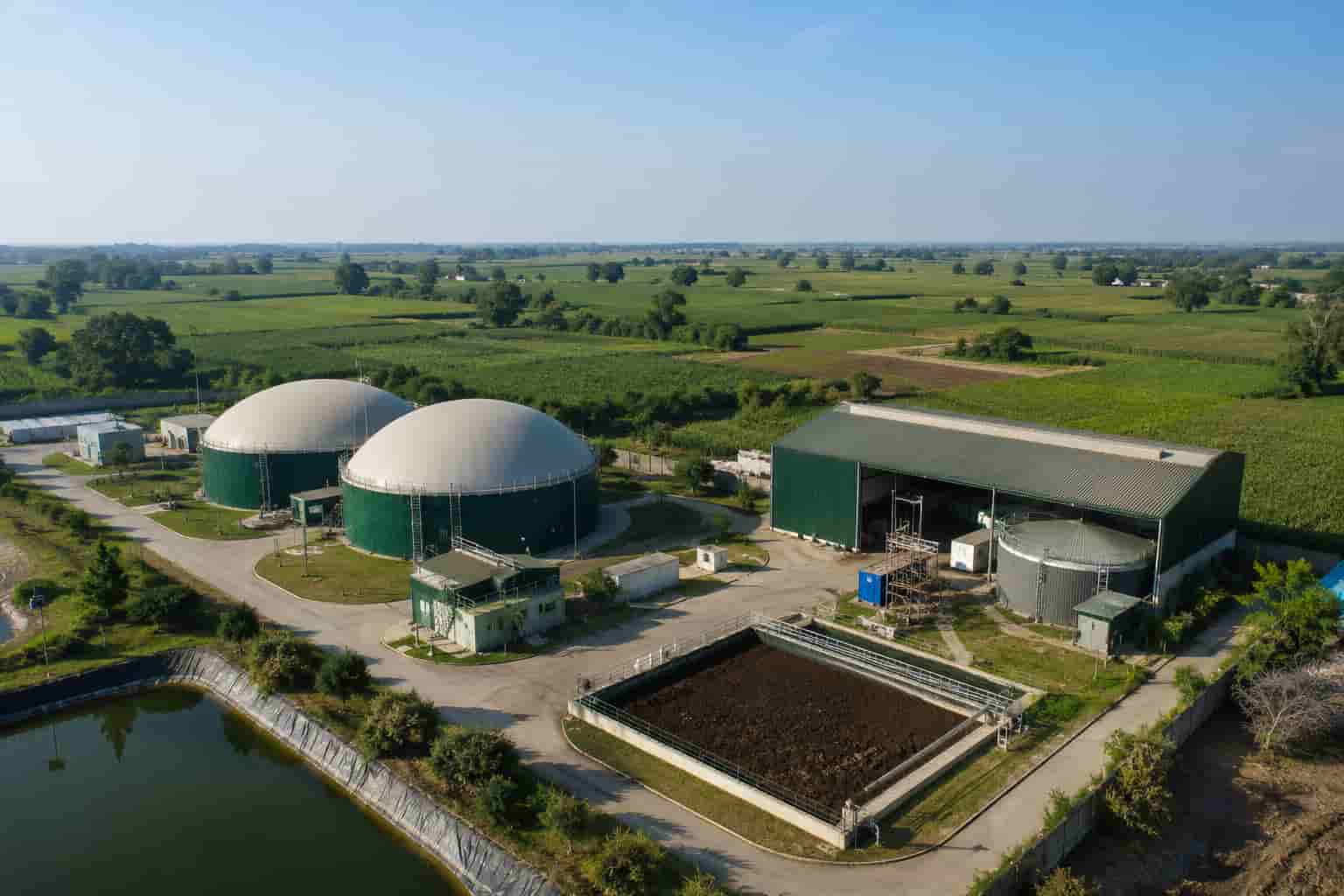
India's engagement with bioenergy is not new. According to the Ministry of New and Renewable Energy (MNRE), biomass and biogas promotion programmes have existed in various forms since the 1980s and 1990s. What is changing now is the move from small, decentralised applications to larger commercial compressed biogas and waste-to-energy ecosystems.
On paper, India’s biogas opportunity appears enormous. Agricultural residue, municipal waste, food waste, cattle dung, and industrial organic waste together constitute one of the country’s most abundant renewable resources. Over the past few years, compressed biogas (CBG) has moved from the margins of India’s clean-energy ecosystem to the centre of broader conversations on energy security, the circular economy, rural income, and sustainable mobility.
Yet beneath the growing list of announcements, investments, and policy ambitions lies a quieter challenge that attracts far less attention. Building a biogas plant is one thing, but ensuring it performs efficiently year after year is another.
As India seeks to expand its bioenergy ecosystem, operational efficiency is gradually emerging as the next frontier. The question is no longer simply how many plants are announced. Increasingly, it is about how reliably those plants deliver gas output and meet the economics for which they were designed.
India’s biogas opportunity continues to expand
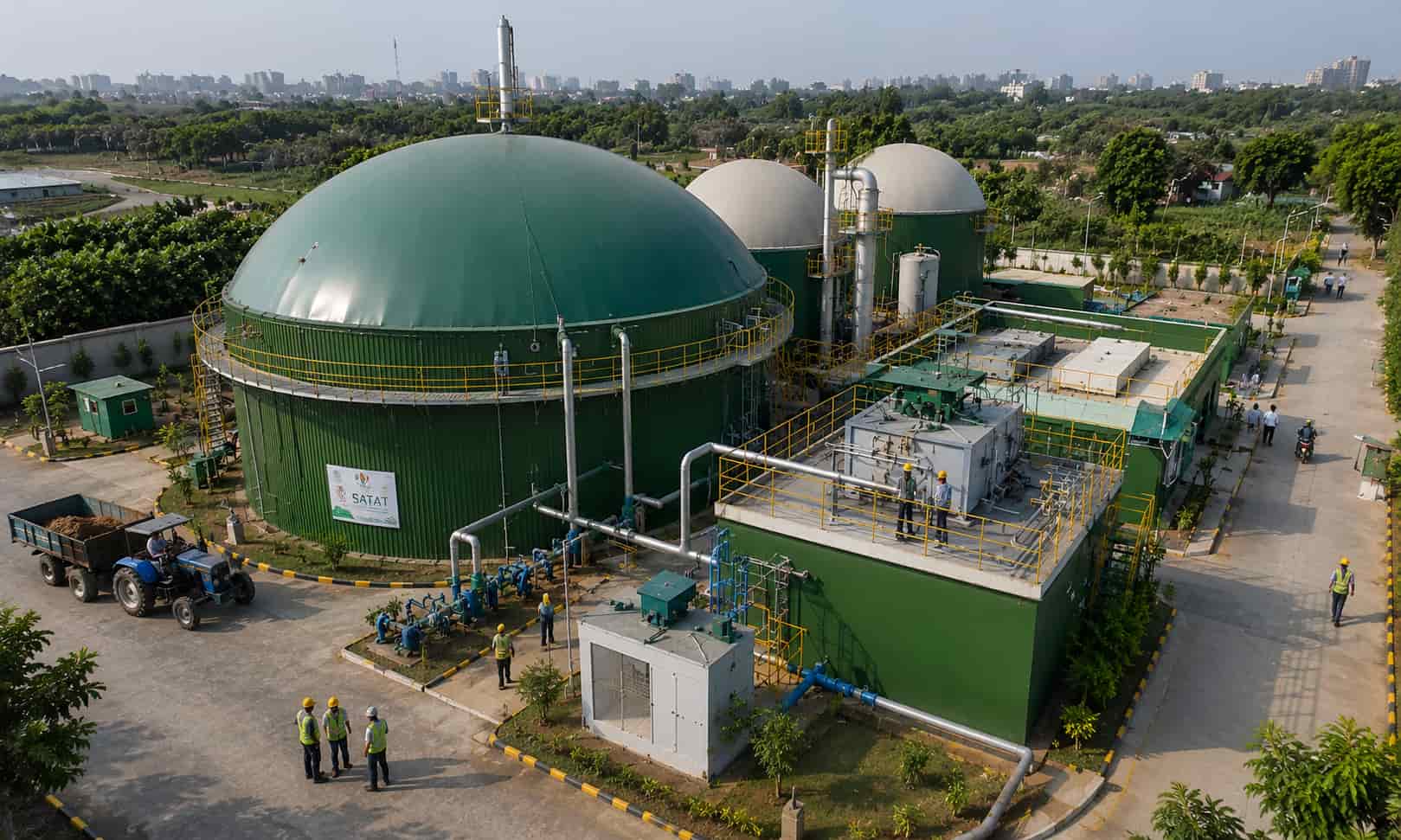
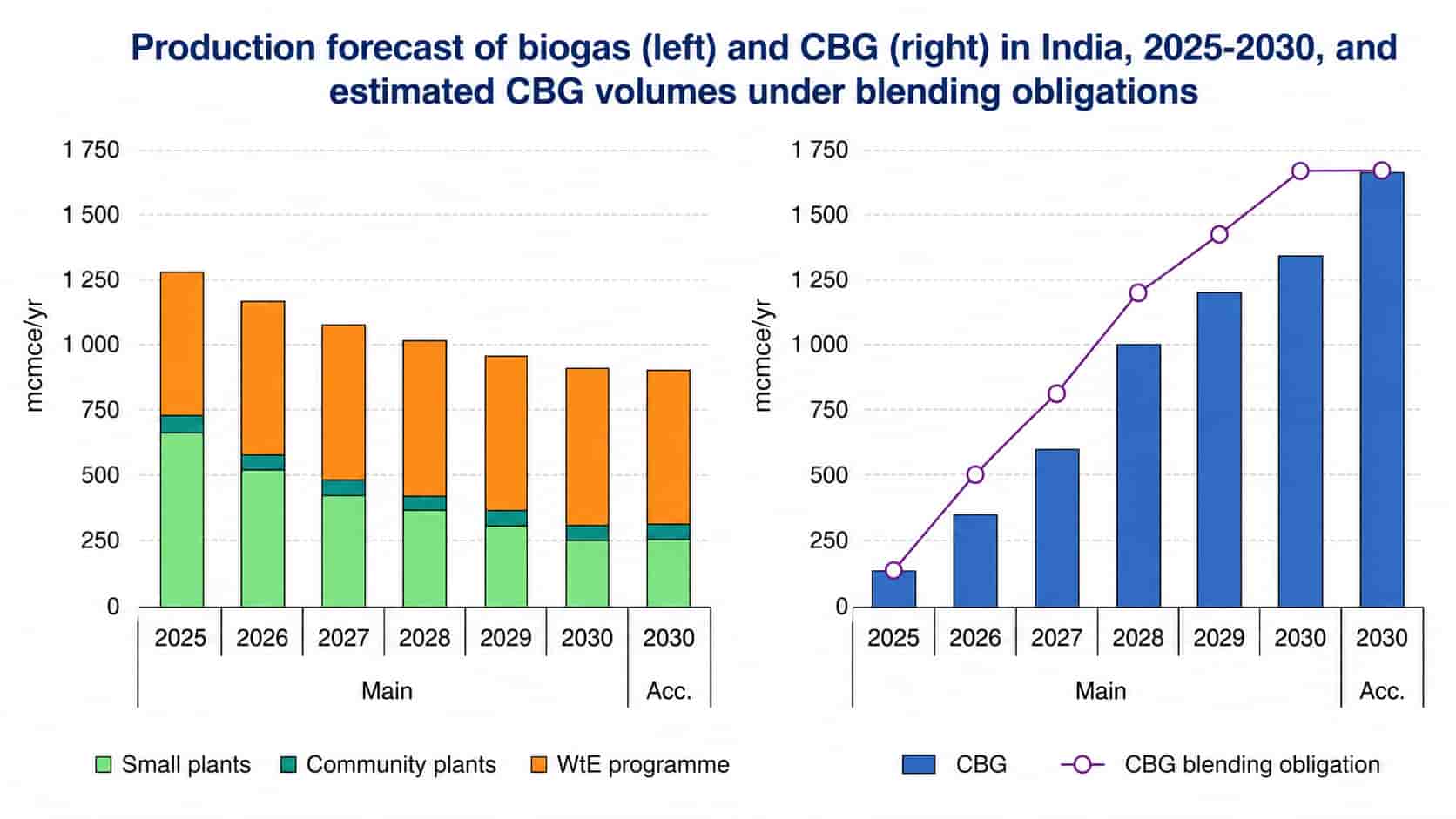
The Government of India’s Sustainable Alternative Towards Affordable Transportation (SATAT) initiative, launched in 2018, envisaged establishing 5,000 compressed biogas plants capable of producing nearly 15 million metric tonnes of compressed biogas annually.
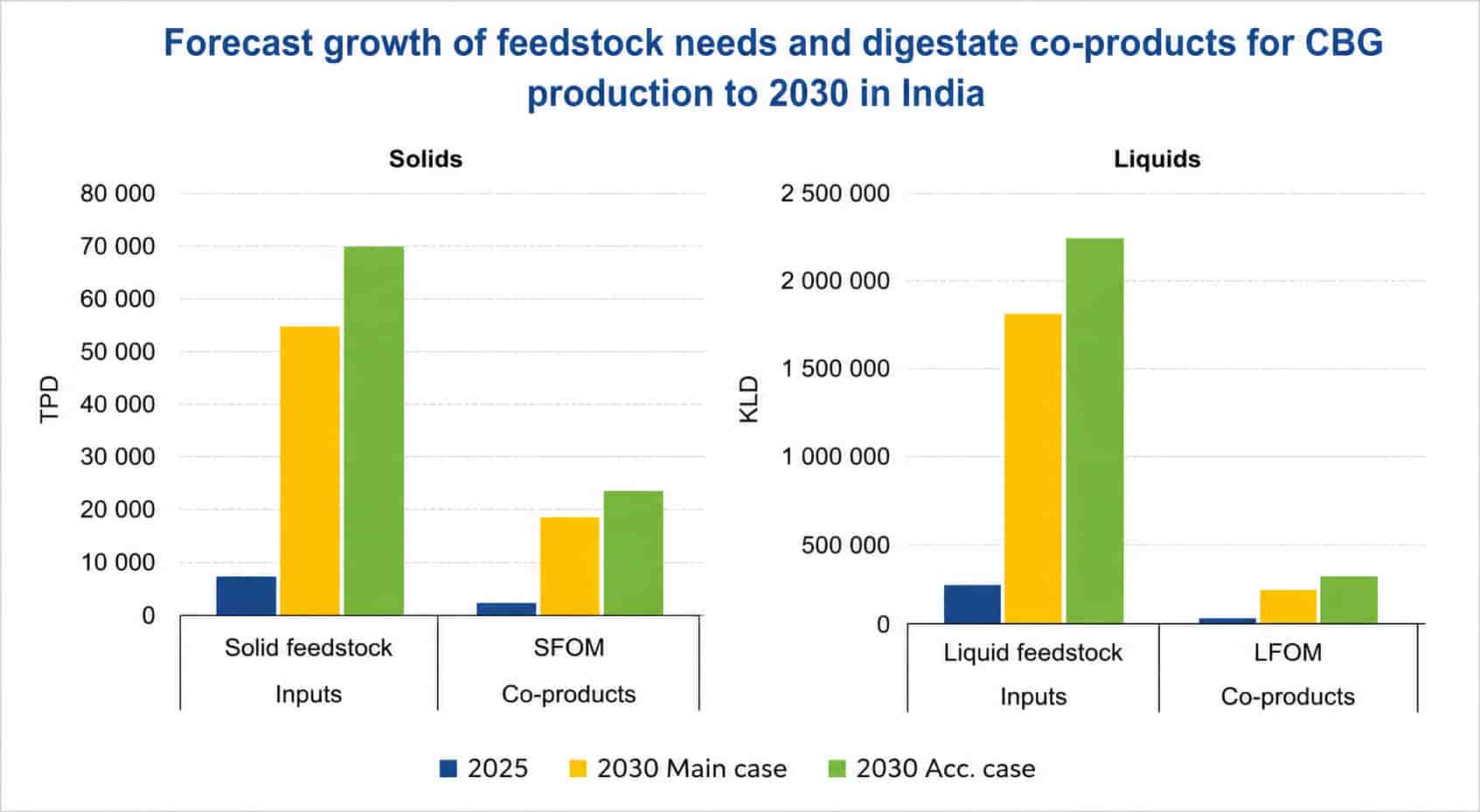
According to the Indian Biogas Association, the biogas sector is expected to attract over ₹5,000 crore (US$525 million) of investments in 2026-27, buoyed by strong interest from investors and stakeholders. “The biogas industry size could reach USD 3-4 billion (€2.8-3.7 billion) in 2026, with projections to hit around USD 5 billion (€4.7 billion) by 2030,” said Gaurav Kedia, chairman of the Indian Biogas Association, in a report published by Bioenergy Insight.
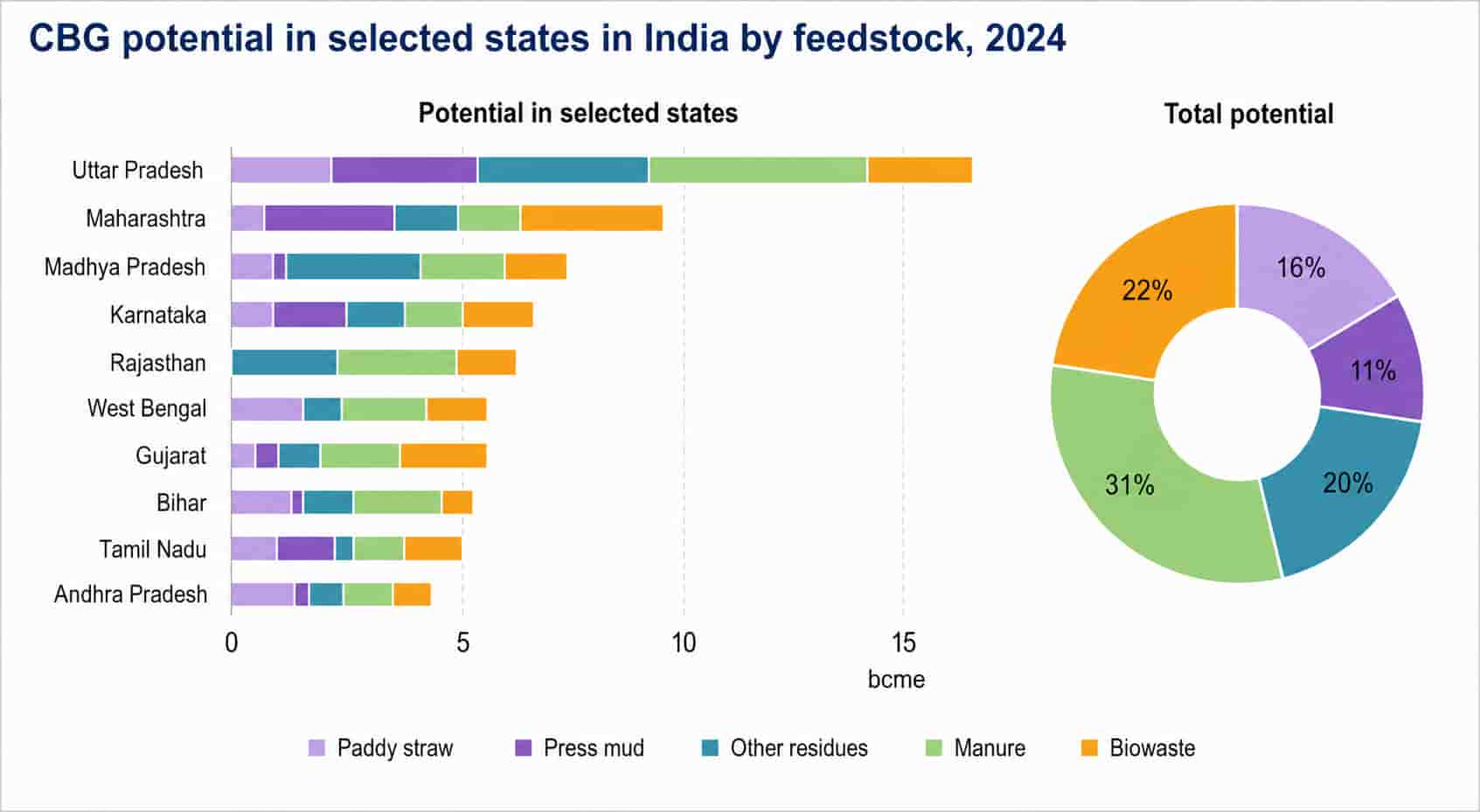
India has substantial biomass resources that can support long-term bioenergy development. Using agricultural residues such as paddy straw for bioenergy production and soil enrichment instead of burning them can simultaneously generate renewable energy and improve soil health.
To support the sector, the MNRE notified the National Bioenergy Programme, with a total outlay of ₹1,715 crore (US$180 million), of which ₹858 crore (US$90 million) was earmarked for the first phase. The programme provides central financial assistance for biomass, Bio-CNG and waste-to-energy projects and seeks to promote rural incomes and the productive utilisation of agricultural residues.
Meanwhile, the commissioning of CBG plants will provide an additional revenue source for farmers and create 75,000 direct jobs and lakhs of indirect jobs, according to the Ministry of Petroleum & Natural Gas.
With the National Bioenergy Programme and the Waste-to-Energy Programme continuing to provide financial support for Bio-CNG and biogas projects, oil marketing companies are proceeding to ink agreements with developers to build an indigenous CBG ecosystem.
Policymakers view biogas not merely as another renewable fuel option but as a means to address multiple challenges simultaneously, such as reducing fossil fuel imports, managing waste, improving air quality, and generating additional income in rural areas.
Indoen Energy had earlier examined how biogas is gradually evolving into a broader energy-security and circular-economy opportunity rather than merely a waste-management solution. As projects move from planning to operations, a different set of questions is emerging, since it is clear that capacity additions alone wouldn’t guarantee output.
A biogas plant is not just an industrial machine
Unlike conventional energy facilities, biogas plants are biological systems. Their performance depends on the interaction between feedstock quality, bacterial activity, temperature, moisture, mixing efficiency, and process stability. According to energy sector analysts, many underperforming projects are not caused by equipment failures, but by operational and process-related issues.
“Biogas plants are biological ecosystems rather than conventional machines, and their performance depends heavily on feedstock consistency and process discipline,” according to an analyst associated with waste-to-energy projects. The distinction becomes crucial as India moves towards larger commercial and compressed biogas projects. It is no longer simply engineering but biology.
Why feedstock determines plant economics
One of the most common reasons for lower-than-expected gas output is inconsistent feedstock quality. Agricultural residue, municipal waste, food waste, and industrial organic waste can vary considerably in organic content. Poor segregation, inadequate mixing, unstable temperatures, or insufficient volatile solids often affect methane production.
Industry participants say that many plants achieve lower gas output than originally projected because feedstock management receives less attention than civil construction and mechanical systems.
“Stable gas production starts with stable feedstock, and the chemistry inside the digester can only perform as well as the quality of material entering it,” noted a consultant involved in anaerobic digestion products. This makes feedstock logistics and quality management as important as the technology itself.
The hidden biology inside the digester
The functioning of a biogas plant depends heavily on methanogenic bacteria, which convert organic matter into methane-rich gas. However, excessive accumulation of volatile fatty acids (VFAs) can disrupt this delicate biological balance. When acidification occurs, pH levels decline, inhibiting methane-producing bacteria and reducing gas production and methane content.
Industry experts point out that early monitoring is critical. Changes in pH levels and methane composition often serve as early warning signals that operators must identify before performance deteriorates. Unlike many industrial processes, biological systems do not respond instantly to corrective measures. Delayed interventions can affect output for prolonged periods.
As commercial CBG projects become larger and more sophisticated, process monitoring is expected to become more important.
Hydrogen sulphide remains an underestimated threat
Hydrogen sulphide (H₂S) is another challenge frequently encountered in biogas plants. Though naturally present in many feedstocks, high concentrations of H₂S may corrode compressors, pipelines, storage systems, and upgrading equipment. Over a period, this raises maintenance costs and shortens equipment life.
Industry specialists believe the issue often receives insufficient attention during project design. “H₂S management is sometimes underestimated, but poor desulphurisation can significantly affect project economics over the long term,” an analyst tracking compressed biogas projects noted.
As India expands its Bio-CNG infrastructure, effective gas purification systems are likely to become critical to maintaining operational reliability.
Foam can become an expensive problem
Foaming and the formation of floating layers in digesters are often overlooked, posing another challenge. Excessive protein content, abrupt changes in feedstock, and poor mixing can cause foaming, reduce the effective digester volume, and disrupt biological activity. Although it may be a minor issue initially, prolonged foaming can affect gas production and increase operational costs.
Industry participants argue that sound engineering design and effective mixing systems are essential to minimise these disruptions. As projects scale, maintaining biological stability becomes as important as adding new capacity.
Technology alone cannot replace skilled operators
Perhaps the most important challenge facing the sector is not technological but human. Even the most sophisticated equipment cannot compensate for inadequate operating practices.
Industry observers say that many operational problems originate from incorrect feeding strategies, delayed response to process disturbances, insufficient monitoring, and a lack of process understanding.
“Technology can be purchased, but operating discipline has to be developed,” said an industry analyst tracking bioenergy projects. “Human capability may ultimately determine whether biogas projects become sustainable businesses.”
This highlights an issue that receives relatively little attention in policy discussions—skill development.
As India scales its compressed biogas ecosystem, training operators, process engineers, and maintenance personnel could become as important as building physical infrastructure.
Automation is becoming the next frontier
Biogas plants are increasingly adopting sensors, digital monitoring systems, and automated controls to improve process stability.
Industry experts believe real-time monitoring of pH, methane concentration, temperature, and gas quality can significantly improve operational performance.
Automation not only helps detect problems early but also enables operators to optimise feedstock usage and reduce downtime.
As plants grow in size and complexity, digital tools may gradually become standard rather than optional. This mirrors transitions already witnessed in industries such as power generation and wastewater treatment.
Lessons from mature biogas markets
Countries with mature biogas industries offer useful lessons for India as the sector expands. Germany, which hosts thousands of biogas plants developed over several decades, has focused on improving efficiency, digital monitoring, and feedstock optimisation rather than merely adding capacity.
Denmark has built integrated biomethane ecosystems that supply gas to national pipelines, while Italy has combined agricultural waste with advanced anaerobic digestion technologies to strengthen farm incomes and renewable energy production.
Even in the United States, operators have placed growing emphasis on process control, gas upgrading, and operational reliability.
Energy researchers point out that one common lesson emerging across these markets is that long-term success depends not merely on building plants, but on maintaining biological stability, skilled operations, and efficient feedstock management throughout a project's life cycle.
Analysts tracking global bioenergy markets report that biogas projects gradually evolve from engineering exercises into operational businesses, where process optimisation and reliability matter more than simply adding capacity.
Even as India's ambitions expand, experts believe operational efficiency will ultimately determine how much value the sector creates. “Bio-CNG has emerged as a potential solution to the sustainable mobility challenge in rural areas. The transition can be accomplished by leveraging the nation’s significant availability of animal wastes for using Bio-CNG as a cost-effective, sustainable alternative for the transport sector,” Dr. Vibha Dhavan, Director General, TERI, stated in the ‘Comprehensive Environmental and Social Sustainability Assessment of Bio-CNG as Vehicular Fuel in India’ report.
India's biogas story is entering a new phase
As part of realising its bioenergy goals, India will continue to pursue the use of compressed biogas to improve energy security and reduce dependence on imported fuels. Financial assistance under various schemes and growing private-sector participation can further strengthen this ecosystem. It is widely apparent that the next phase of development will depend less on announcing projects and more on ensuring that plants consistently perform throughout their operating life.
According to the International Energy Agency, India possesses abundant resources and a supportive policy framework that positions it to become one of the world's leading bioenergy markets. Feedstock aggregation, logistics, and efficient project execution will ultimately determine the pace of growth, as highlighted in its India Bioenergy Market Report
The early phase of India's biogas story was defined by potential. The next phase would be defined by execution. In the bioenergy business, success is not measured at plant commissioning.
India's waste-to-energy ambitions are no longer just about converting waste into fuel. They are more about converting engineering capability, biological science, and operational discipline into durable infrastructure. This will ultimately determine whether India's biogas revolution becomes a sustainable business or remains a collection of well-intentioned projects.