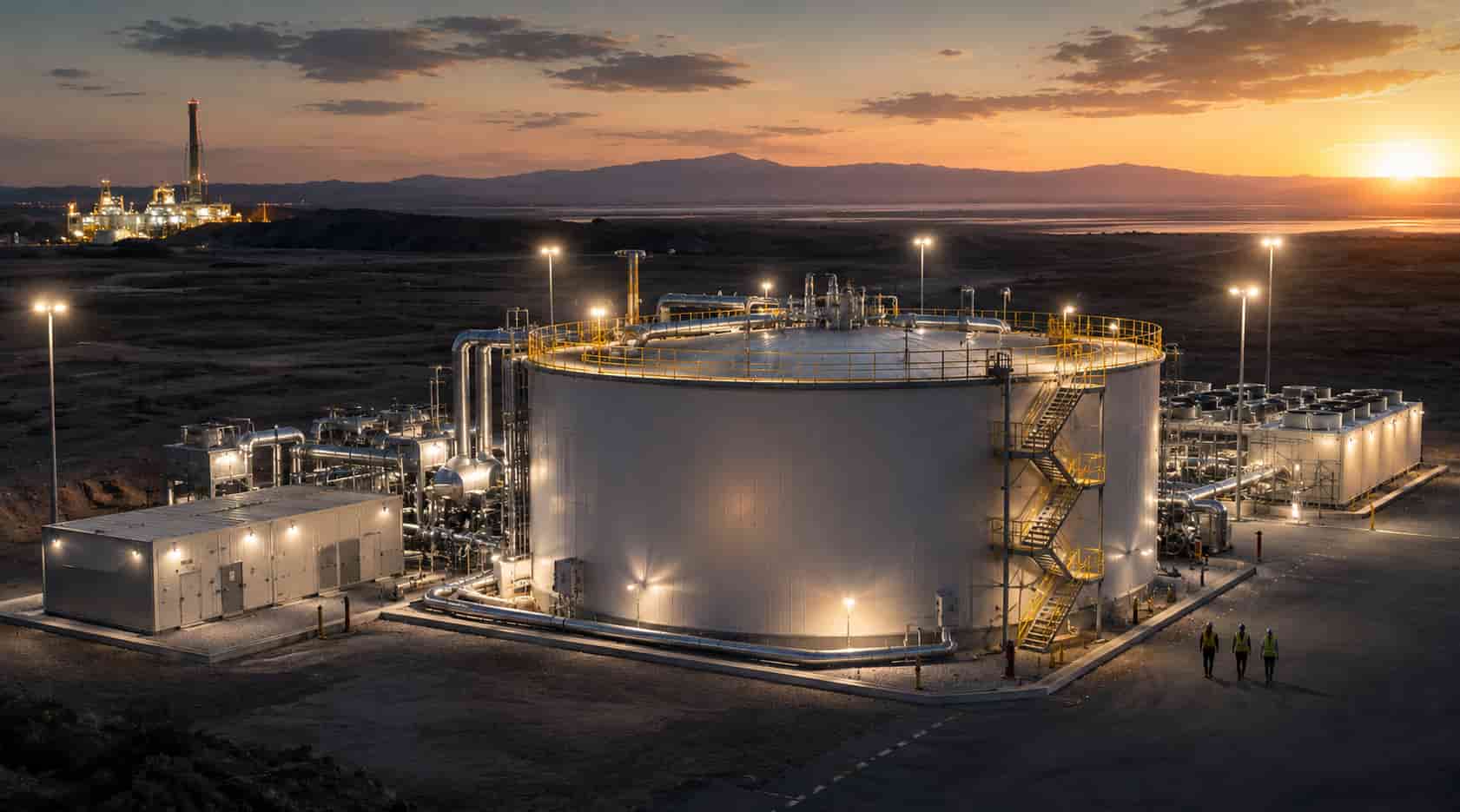


India’s power sector is witnessing a quiet technological shift, where batteries are no longer treated as passive storage devices but are emerging as intelligent, multi-functional components within the energy system.
This evolution is being driven by advances in battery chemistry, power electronics, and digital control systems, which are expanding the role of battery energy storage systems (BESS) far beyond conventional applications.
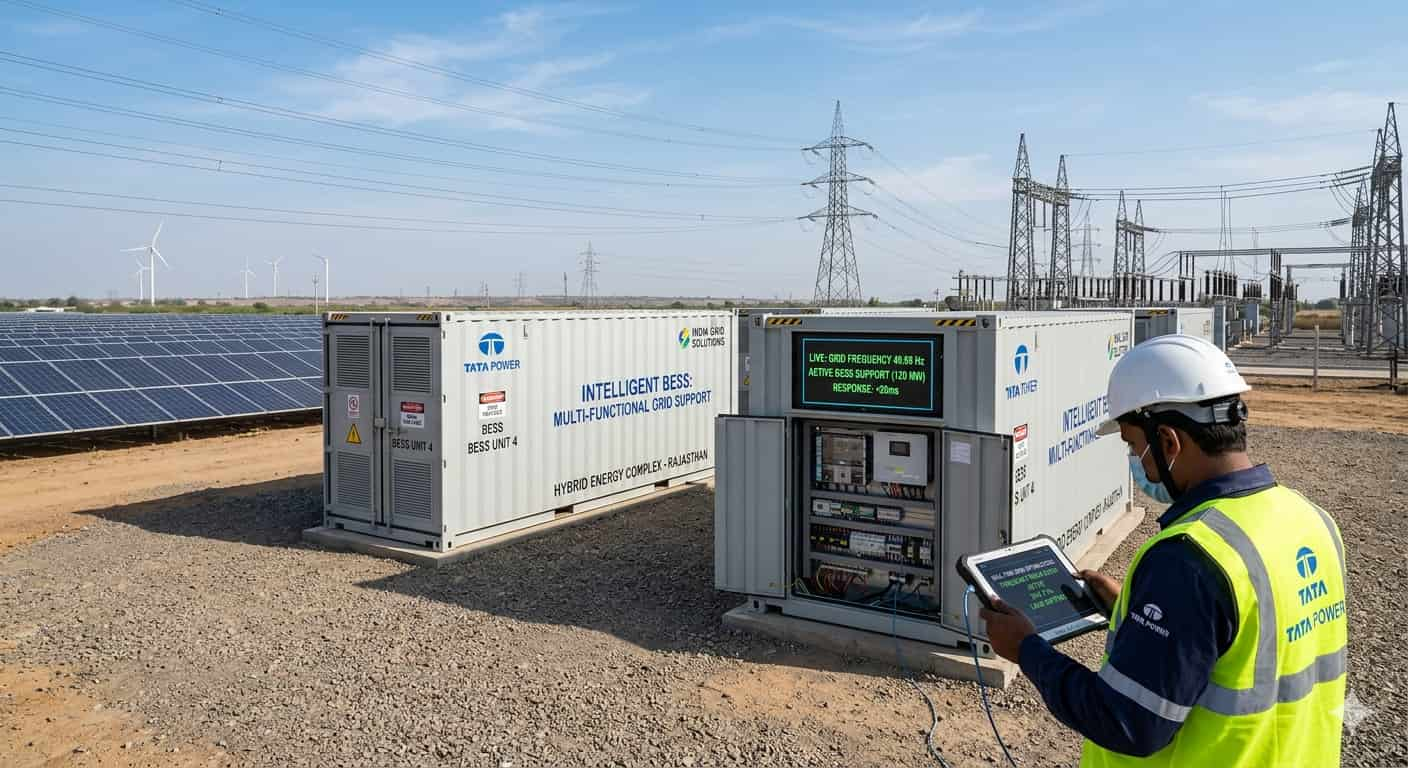
At the core of this transformation is the changing functionality of batteries. Modern BESS installations are designed not just to store excess electricity but to perform a range of tasks including load shifting, frequency regulation, peak shaving, and voltage support.
These capabilities are made possible by sophisticated inverter technologies and real-time control systems that allow batteries to respond dynamically to grid conditions.
One of the most significant technological advancements lies in the integration of batteries with advanced energy management systems (EMS). These systems use algorithms and data analytics to optimise charging and discharging cycles based on demand patterns, price signals, and grid requirements. As a result, batteries are becoming more efficient and adaptive, capable of operating as responsive assets rather than static infrastructure.
Battery chemistry itself is also evolving. While lithium-ion technology continues to dominate deployments, improvements in energy density, cycle life and thermal management are making these systems more reliable and cost-effective.
At the same time, alternative chemistries such as sodium-ion and flow batteries are being explored to address concerns around resource availability and long-duration storage requirements.
Another important development is the increasing modularity of BESS architecture. Modern systems are being designed as scalable units that can be deployed across utility-scale, commercial, and distributed applications. This modular approach allows for flexible deployment, enabling storage to be integrated at different points in the power system—from large grid-connected installations to smaller, decentralised setups.
The role of power electronics is equally critical in this evolution. Inverters and converters are becoming more advanced, enabling faster response times and higher efficiency. These components act as the interface between batteries and the grid, ensuring seamless integration and enabling functions such as bidirectional power flow and grid stabilisation.
At the same time, digitalisation is emerging as a key enabler. The use of sensors, automation and predictive analytics is enhancing the operational capabilities of storage systems. By continuously monitoring performance and environmental conditions, these technologies help optimise battery usage, extend lifespan and reduce operational risks.
Despite these advancements, challenges remain. High upfront costs, supply chain constraints and the need for standardisation continue to limit large-scale adoption. However, as technology matures and economies of scale kick in, these barriers are expected to ease, paving the way for wider deployment.
What distinguishes the current phase of battery development is not just incremental improvement but a shift in how storage is conceptualised. Batteries are no longer standalone components—they are becoming integrated elements of a broader, technology-driven energy ecosystem.
In this evolving landscape, the significance of storage lies not only in its ability to hold energy, but in its capacity to process, manage, and optimise it in real time. That capability is likely to define the next generation of power systems in India, where intelligence and flexibility become as important as capacity.
Cover image: AI-generated (representative)