
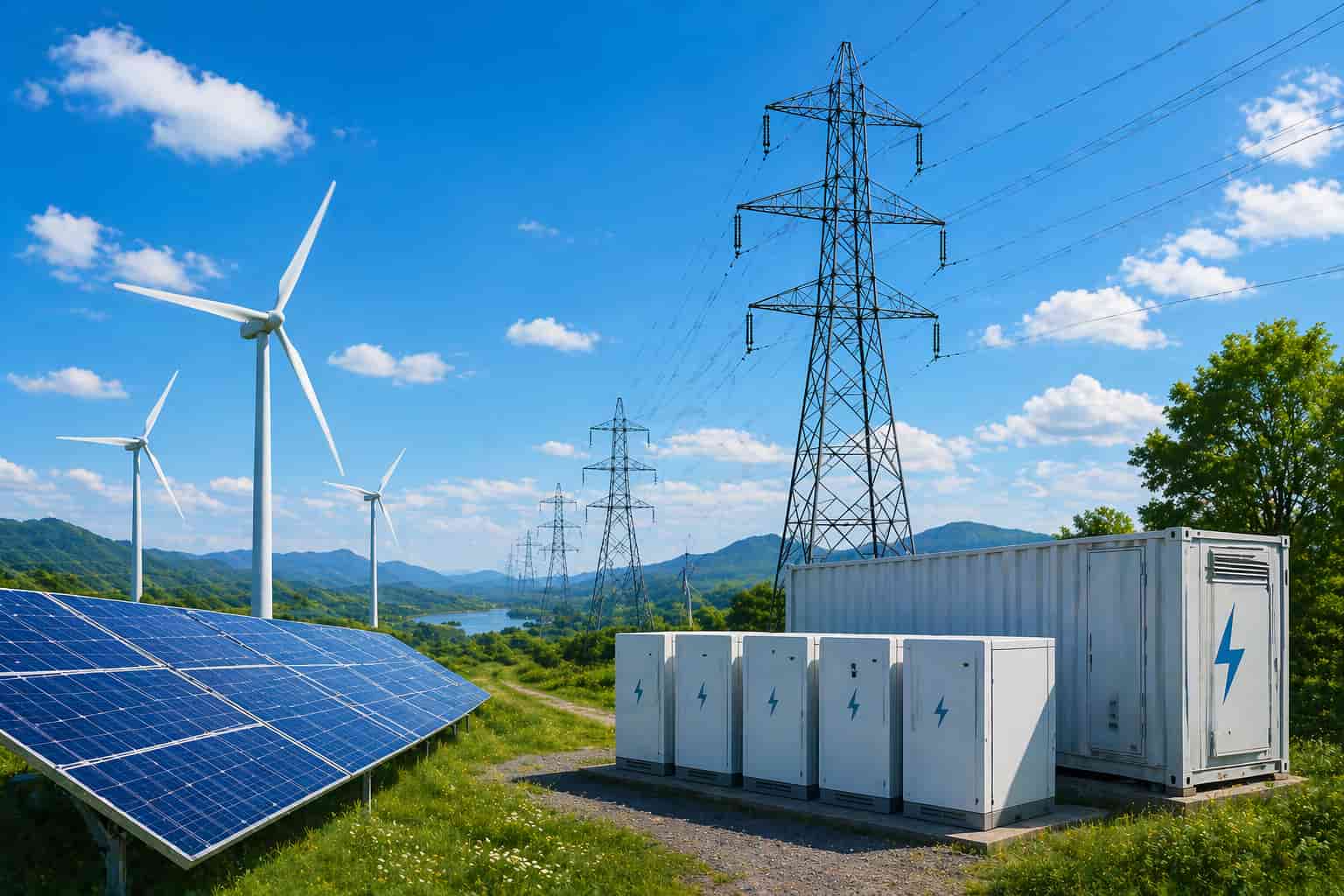

India’s clean energy transition has entered a new phase—one where the question is no longer about adding capacity, but about financing the systems that sustain it. Over the past year, the country has witnessed record renewable additions, rising investor interest, and strong policy signalling. Yet, beneath this momentum lies a structural shift: the real financial challenge is moving from generation to integration.
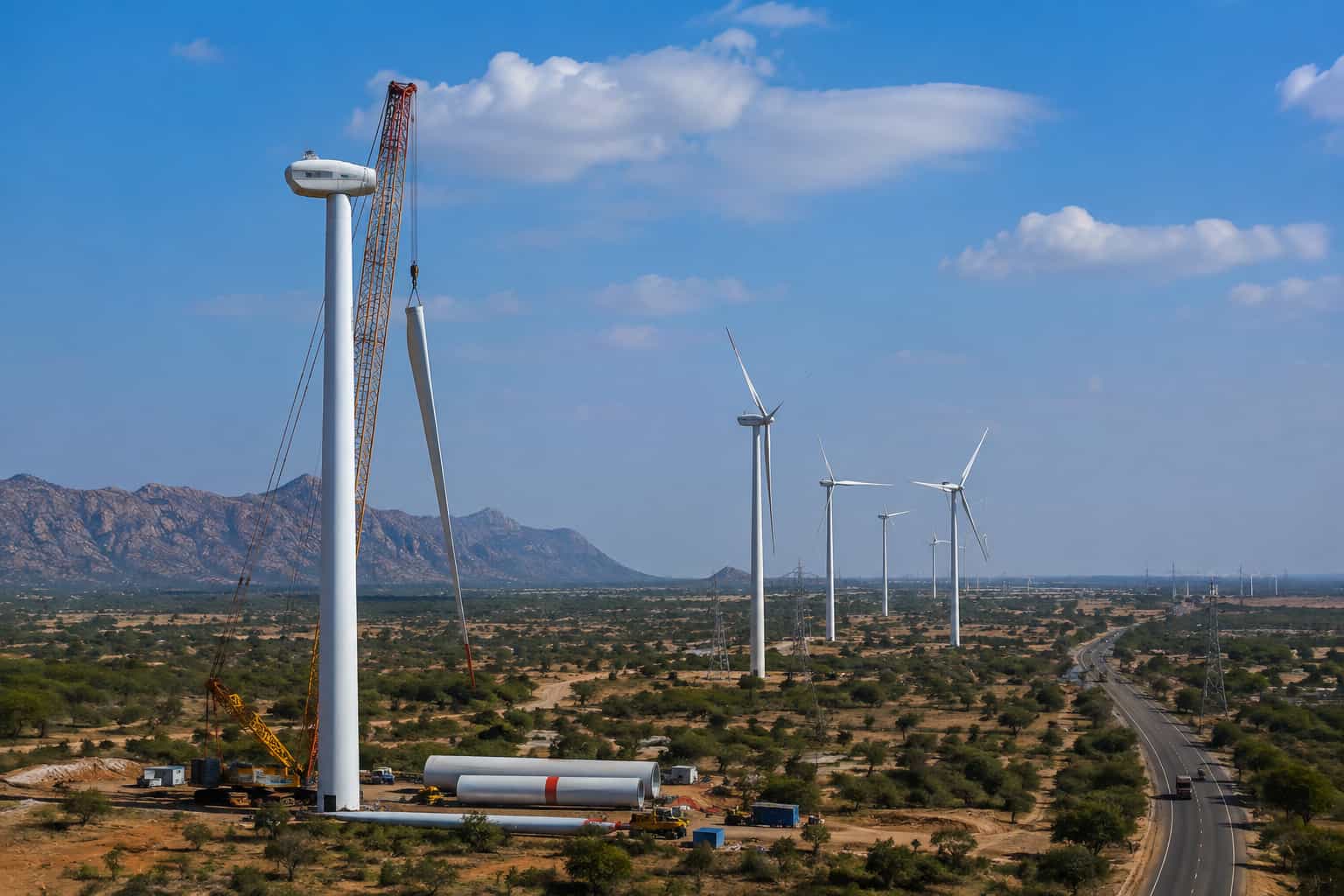
Recent data shows that India added over 50 GW of renewable capacity in FY26, driven largely by solar expansion, taking total non-fossil capacity to nearly 283 GW. This rapid growth reflects a decade of policy support and falling technology costs. But it also signals a deeper issue—India’s energy finance story is no longer about building assets alone; it is about ensuring that those assets can function efficiently within a complex and evolving system.
From capacity addition to system stability
India’s ambition of achieving 500 GW of non-fossil capacity by 2030 has been widely discussed. However, as renewable penetration increases, the challenge is shifting towards grid stability, transmission infrastructure, and storage financing.
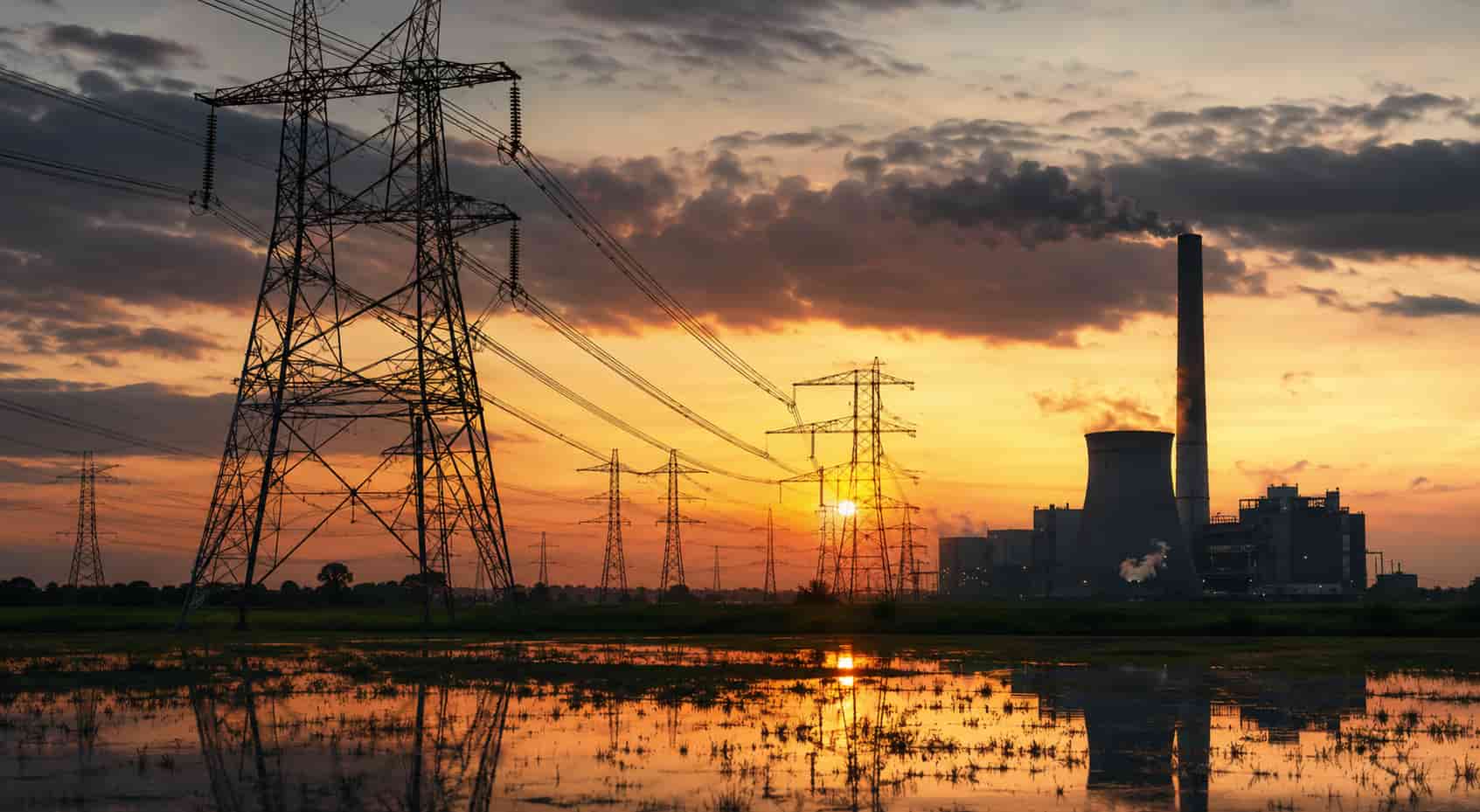
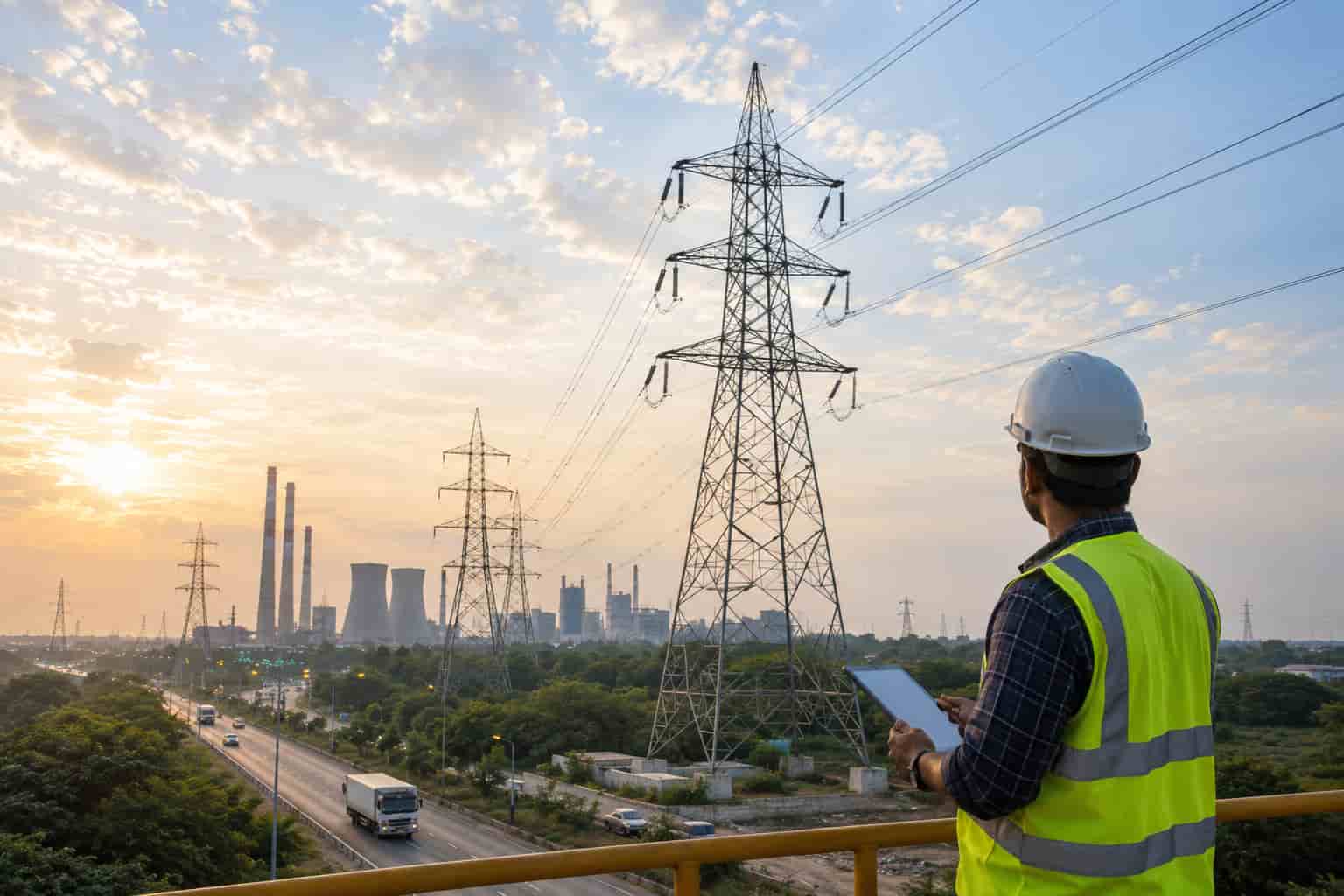
According to recent analysis, renewable energy already accounts for over 30% of installed capacity, and its share is expected to rise sharply in the coming years. This creates pressure on transmission networks, which were originally designed for predictable, centralised generation rather than intermittent sources like solar and wind.
The financial implications are significant. Transmission corridors, balancing infrastructure, and energy storage systems require long-term capital with stable returns, but these segments lack the clear revenue visibility that generation projects enjoy. Investors, therefore, remain cautious.
The emerging financing shift
For over a decade, renewable energy financing in India has been relatively straightforward: developers bid for projects, secure power purchase agreements (PPAs), and raise debt against predictable cash flows. That model is now under stress.
Delays in PPA closures—sometimes stretching up to nine months—are becoming more common, particularly for hybrid and storage-linked projects. This not only delays project execution but also increases financing costs, as lenders price in uncertainty.
At the same time, newer project structures such as firm and dispatchable renewable energy (FDRE) are emerging, requiring more sophisticated financing models. Recent deals involving offshore financing and hybrid project structures suggest that capital is evolving—but not without friction.
Capital is flowing—but unevenly
There is no shortage of capital flowing into India’s energy sector. Large-scale investments, both domestic and international, continue to gain momentum.
For instance, the National Investment and Infrastructure Fund (NIIF) is reportedly leading a $1.7 billion acquisition of Sprng Energy, signalling renewed institutional interest in renewable assets. Meanwhile, state-owned and private companies are expanding their portfolios—GAIL has approved ₹3,800 crore investments in solar projects, while NLC India has secured international financing for solar and storage initiatives.
Yet, this capital is largely concentrated in generation assets, where risk is better understood and returns are more predictable. Financing for grid infrastructure, storage, and distribution remains relatively underdeveloped.
The cost of capital problem
Even as capital flows increase, the cost of capital remains a critical constraint.
Renewable energy projects are inherently capital-intensive, requiring long-term debt at competitive rates. However, India’s financial ecosystem continues to rely heavily on bank lending, with limited participation from long-term institutional investors such as pension funds and insurance companies.
Recent studies suggest that annual investments in renewables, storage, and transmission will need to rise significantly—from around $68 billion by 2032 to $145 billion by 2035—to meet India’s transition goals.
This creates a structural mismatch. Long-duration assets are often financed with shorter-tenure debt, increasing refinancing risks and overall project costs.
Policy push, but gaps remain
The government has recognised these challenges and taken steps to address them.
The Union Budget 2026 increased allocations for renewable energy and emphasised domestic manufacturing, rooftop solar, and critical minerals. At the global level, India has positioned itself as a major destination for climate investment, pitching $300–350 billion opportunities in clean energy at international forums.
However, policy clarity alone is not enough. Investors continue to seek: 1. predictable tariff frameworks; 2. faster contract enforcement; and 3. stronger financial health of distribution companies
Without these, the risk premium attached to Indian projects remains elevated.
Supply chain and domestic manufacturing risks
Another emerging challenge is the intersection of finance with supply chains.
India’s push for domestic manufacturing—particularly in solar cells—has strategic merit, but it is also creating short-term disruptions. Industry estimates suggest that domestic production capacity (around 25 GW) is currently insufficient to meet demand (around 50 GW), potentially leading to cost escalations and project delays.
For financiers, such uncertainties translate into higher risk assessments, further increasing the cost of capital.
Beyond renewables: the broader energy finance landscape
The financing challenge is not limited to renewables alone.
India’s electric mobility transition, for instance, requires ₹12.5 lakh crore in investments by 2030, with a significant gap still remaining. Similarly, the broader power sector is expected to require tens of lakh crores in investment over the next two decades to expand generation, transmission, and distribution capacity.
This highlights a key reality: India’s energy transition is not a sectoral shift—it is a system-wide financial transformation.
The road ahead: financing the backbone
If India’s first phase of energy transition was about adding megawatts, the next phase will be about financing the backbone.
Three areas will be critical:
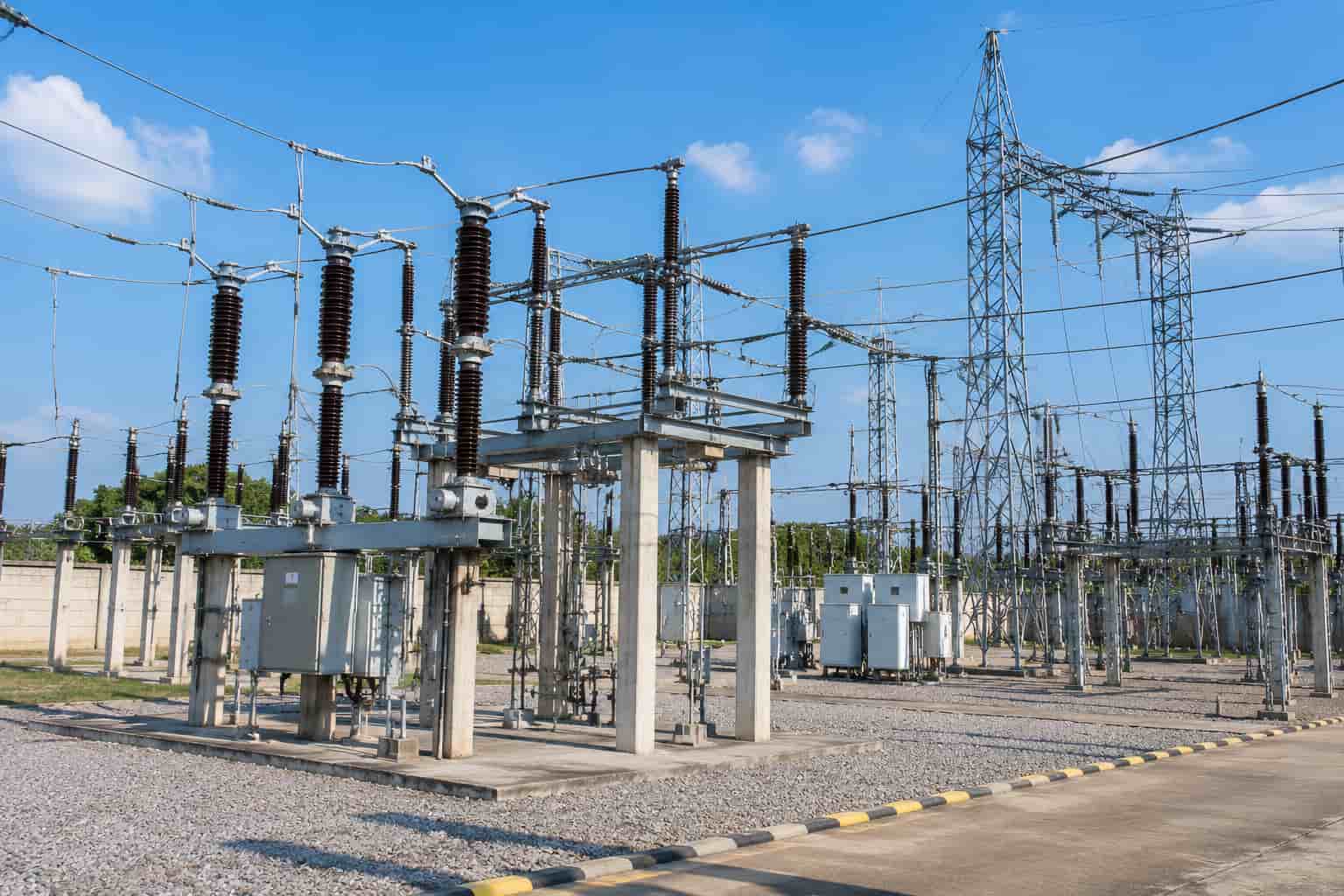
1. Grid and transmission financing: Large-scale investments in transmission corridors and smart grids will be essential to integrate renewable energy efficiently.
2. Energy storage: Battery storage and pumped hydro projects will play a crucial role in balancing supply and demand, but require new business models and financing frameworks.
3. Financial market deepening: Expanding corporate bond markets, enabling blended finance, and attracting global institutional capital will be key to lowering the cost of capital.
A transition defined by financial architecture
India’s clean energy story is often framed as one of ambition and scale—and rightly so. But as the transition matures, it is becoming increasingly clear that finance, not technology, will determine its pace.
The country has demonstrated its ability to build capacity rapidly. The next challenge is ensuring that the financial architecture—spanning capital markets, policy frameworks, and institutional capacity—can support that growth.
If India succeeds, it will not only meet its energy goals but also redefine how large emerging economies finance structural transitions. If it falls short, the bottlenecks will not be in solar panels or wind turbines—but in balance sheets.