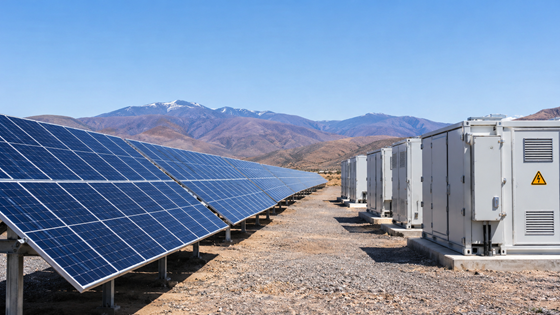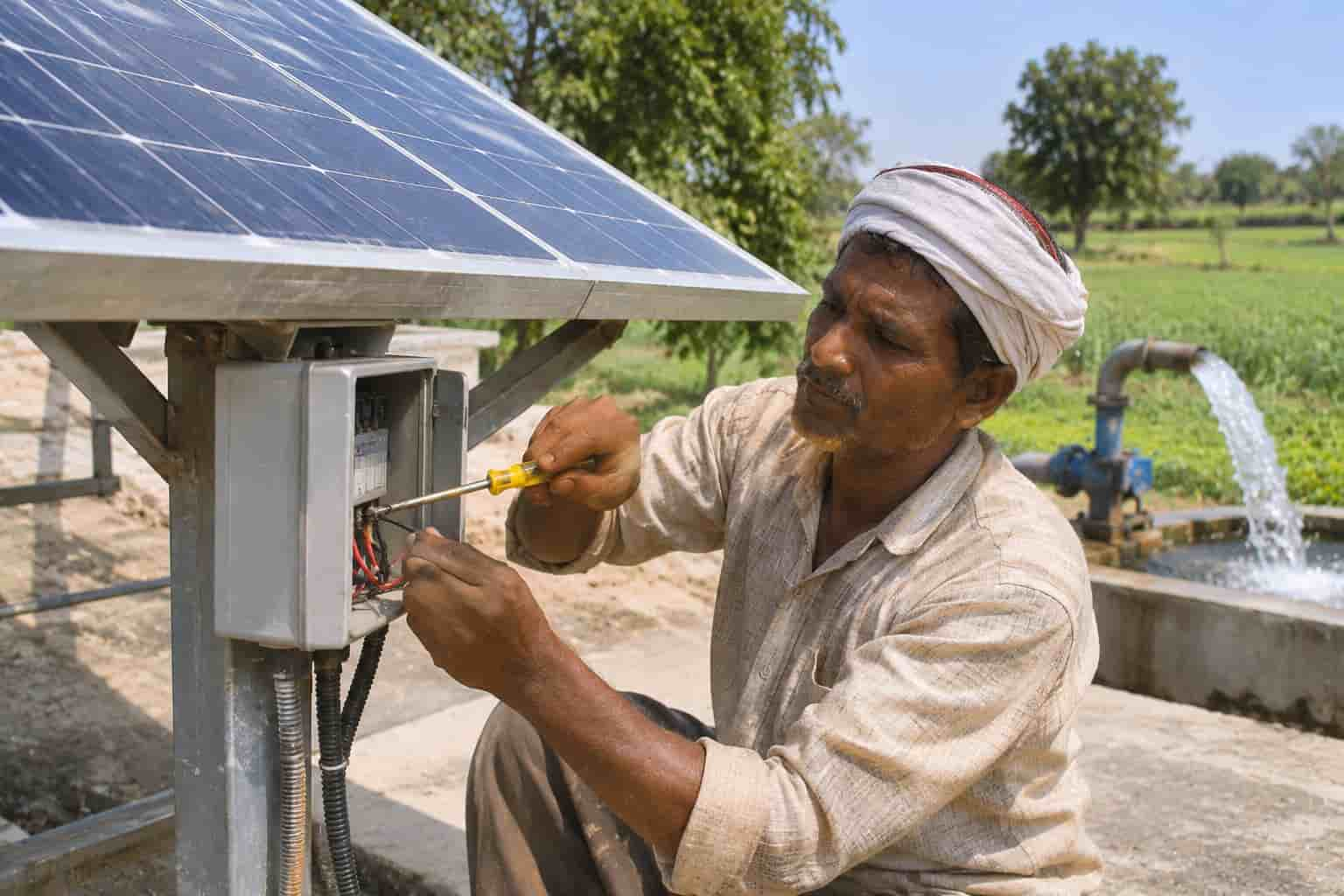

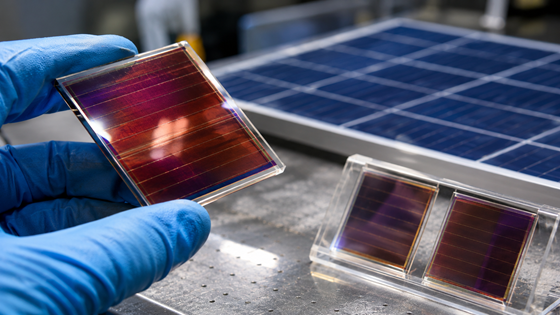
A study by the Indian Solar Manufacturers Association (ISMA) and P3C Technology and Solutions estimates that a perovskite push could generate ₹74,000 crore ($7.9bn) of domestic value addition over 15 years. India has built cell capacity and is adding ingot and wafer plants, but still relies heavily on imports for polysilicon, wafers and equipment. Perovskite could bypass the polysilicon, ingot and wafer stages, where that dependence is deepest. The report says perovskite is the first solar technology where India can plausibly own the IP instead of licensing or importing it.
The study's main argument is the economics. The study puts factory capex for perovskite lines at 70–80% below crystalline silicon lines. Better temperature behaviour could lift the capacity utilisation factor from about 20% to 25%, and the levelised cost of energy could fall 30–40%. The study itself says long-term field and reliability data are needed to confirm the cost claim. The authors also have a stake in the outcome. An industry association and a perovskite developer wrote the study, so the figures are best read as an advocacy case, not as an independent forecast.
The policy ask is specific. The study wants a provisional two-tier category under the ALMM, with defined stability milestones, plus R&D and pilot funding through MNRE and ANRF. It proposes starting with single-junction cells and moving to silicon-perovskite tandems on India's TOPCon base. The proposal comes as manufacturers invest heavily in conventional silicon, with ISMA citing over 233 GW of module capacity, over 50 GW of cells and a first ingot-wafer plant now operating. The question for policymakers is how far to tie new support to a technology that is still proving its bankability. P3C says its modules are in reliability testing at NISE to generate that field data.