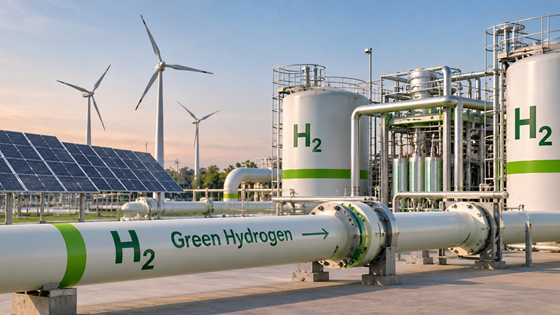
CARE ESG Ratings estimates that India’s green hydrogen ambitions could draw $180–200bn through 2030. It lists high production costs, limited commissioned capacity, infrastructure gaps and evolving certification rules as barriers. Green hydrogen costs about ₹350–450 a kg ($3.7–4.7) today, against ₹160–200 ($1.7–2.1) for grey. The report expects it to fall to around $2.4 a kg by 2030 as renewable power costs, electrolyser prices and project scale improve.
The cost gap is partly offset by trade pressure. Under the EU’s carbon border mechanism, Indian steel exporters could face $70–190 a tonne on EU-bound shipments, and above $270 where default emissions values apply. That makes decarbonisation a competitiveness question for export sectors, in addition to a climate one. Steel, fertilisers, refining and chemicals are the likeliest early users. India consumes 17–19 million tonnes of ammonia a year, mostly made from natural gas, which gives the fertiliser chain a large substitution market.
Global supply is the other constraint. Announced low-emission hydrogen projects could reach 27 million tonnes a year by 2030, yet only slightly more than 6 million tonnes is operating, under construction or at final investment stage. Delivery risk is high everywhere, so India’s offtake pipeline will be judged on projects that reach financial close, not on announcements.