
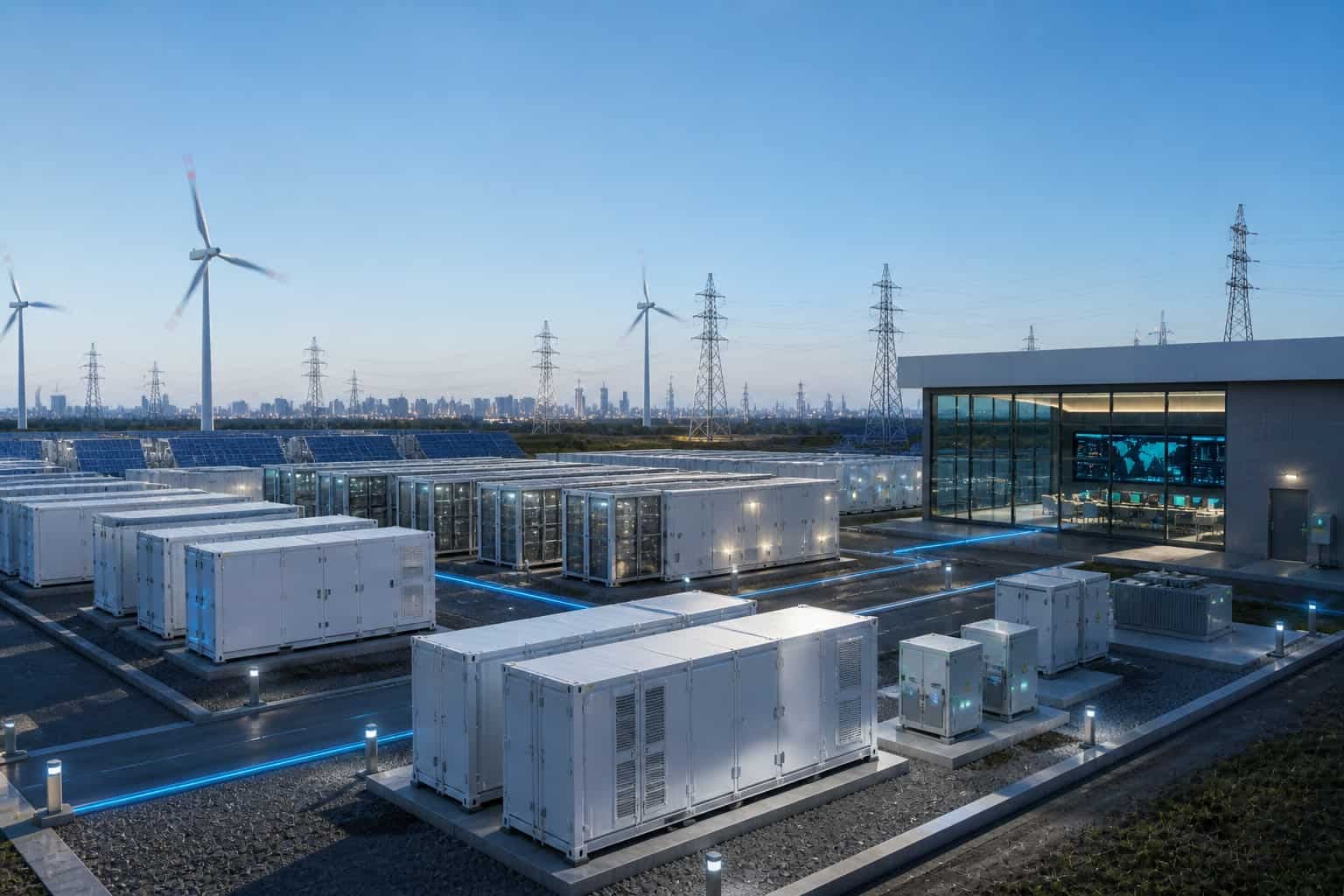

The global energy transition is increasingly being defined not just by how electricity is generated, but by how it is stored. Across major markets, battery energy storage systems (BESS) are moving from the periphery to the centre of power system planning.
Nowhere is this shift more visible than in the Asia-Pacific region, where countries such as Australia, Japan, the Philippines and India are driving a new phase of storage deployment marked by scale, diversification and integration.
This transition is not merely incremental. Storage projects that once operated in the range of tens of megawatt-hours are now scaling into hundreds and even gigawatt-hour pipelines. The implication is clear: storage is no longer an experimental add-on to renewable energy systems—it is becoming a core infrastructure layer.
In India, this shift is beginning to reshape both policy thinking and market behaviour, even as the sector remains in its early stages of development.
Scale is rising—but the gap remains vast
India’s storage ambitions are substantial. Estimates suggest that the country will require between 200 and 250 GWh of energy storage capacity by 2030 to support its renewable energy targets and ensure grid reliability.
Yet the current state of deployment tells a very different story. Only a small fraction of this capacity has been tendered, and even less has reached operational status.
This gap between requirement and deployment is not simply a matter of scale—it reflects deeper structural challenges. As one industry expert noted, “The planned expansion may appear convincing in theory, but translating it into actual, functioning capacity will depend on financial clarity, regulatory stability, and viable business models.”
The mismatch also raises important questions about the pace of the transition. While renewable capacity continues to expand rapidly, the supporting storage ecosystem is lagging, creating potential risks for system stability and efficiency.
The real constraint: Duration, not just capacity
Much of the current focus in India’s storage market is on lithium-ion batteries designed for short-duration applications, typically ranging from two to four hours. While these systems are effective for managing short-term fluctuations in renewable generation, they are insufficient for addressing deeper structural challenges.
Energy-intensive industries such as aluminium, steel and chemicals require continuous, round-the-clock power supply. For these sectors, long-duration energy storage (LDES)—capable of storing energy for eight hours or more—is essential.
Without such capabilities, the integration of renewable energy into industrial processes remains limited. As an analyst points out, “the conversation around storage is shifting from how much capacity is needed to what kind of storage is required.”
This distinction is critical. A system built primarily on short-duration storage may support grid balancing, but it will struggle to enable full industrial decarbonisation.
Beyond the grid: New use cases emerge
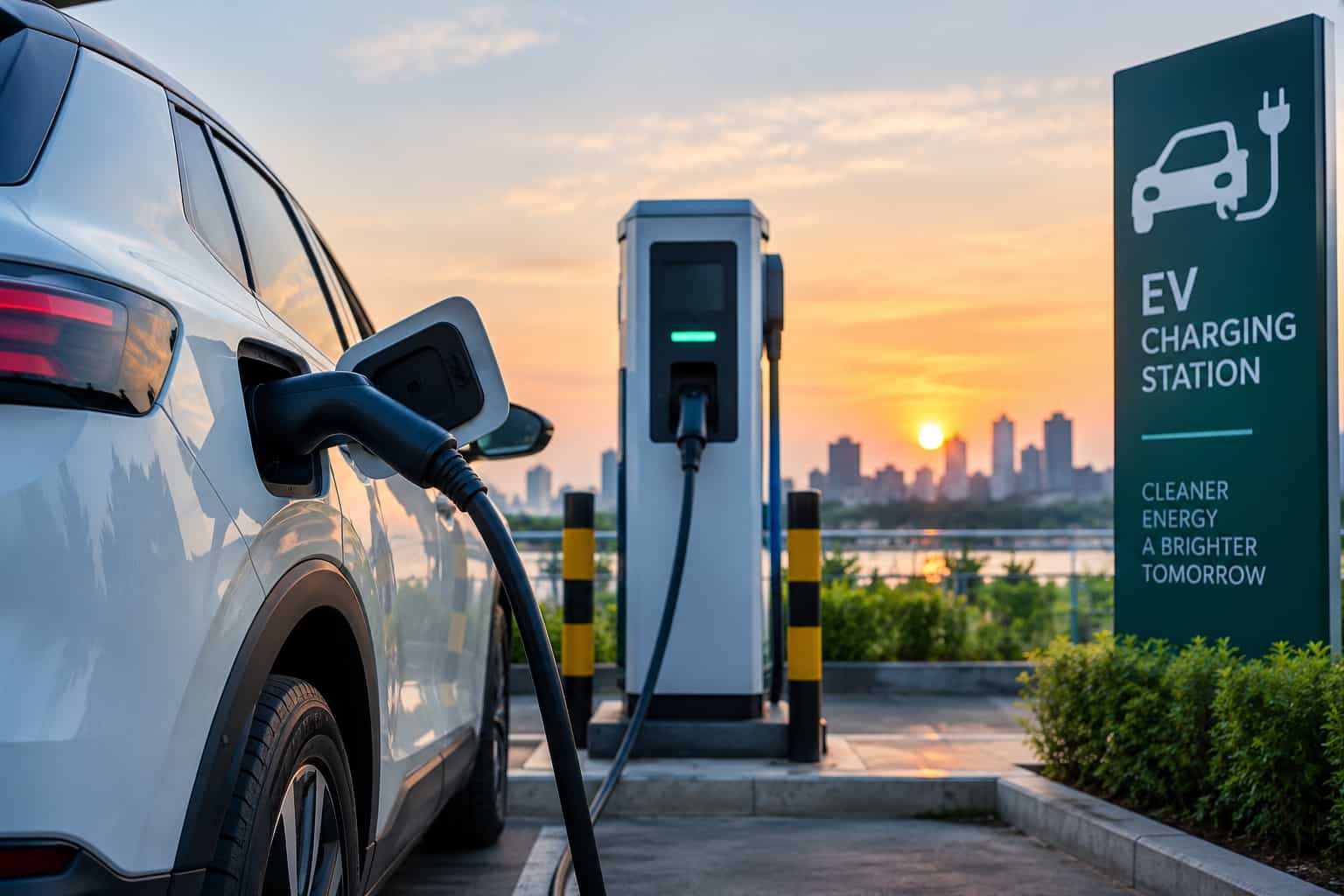
At the same time, storage is expanding beyond traditional grid applications into new and diverse use cases. One of the most visible examples is the development of battery swapping and charging infrastructure for heavy vehicles.
A recent project at Jawaharlal Nehru Port in Mumbai, described as India’s largest battery swapping and charging hub for heavy vehicles, illustrates how storage is being integrated into the mobility ecosystem.
This development highlights a broader trend: storage is no longer confined to electricity systems—it is becoming a cross-sectoral technology with applications in transport, logistics and industry.
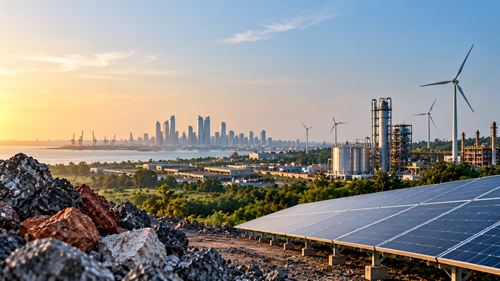
Similarly, hybrid energy models that combine solar generation with storage are gaining traction. These configurations allow energy to be generated, stored and consumed more efficiently, reducing dependence on conventional power sources and improving overall system resilience.
Global momentum—and what it means for India
Globally, the momentum behind storage is accelerating.
In markets such as Australia and the United States, large-scale storage projects are being deployed alongside renewable energy installations, supported by strong policy frameworks and mature financing mechanisms.
These developments offer both lessons and warnings for India.
On the one hand, they demonstrate that rapid scaling of storage is possible when policy, finance and technology align. On the other, they highlight the risks of delayed action, particularly in systems with high renewable penetration.
India’s position is unique. Unlike developed economies retrofitting existing systems, India is building its energy infrastructure while transitioning to cleaner sources. This creates both opportunities and challenges. As one policy analyst put it, “India has the advantage of building a storage-enabled system from the ground up—but it also has less room for error.”
The economics question
Despite growing momentum, the financial viability of storage remains a key concern. Battery systems involve high upfront costs, and revenue streams are often uncertain. Unlike conventional generation assets, storage does not produce electricity; it provides services such as balancing, reliability and peak management.
This creates a challenge for market design. How should storage be priced? Who pays for its services? And how can long-term revenue certainty be ensured?
These questions are still being debated in India’s regulatory ecosystem. While policy signals are positive, clarity on tariffs, payment mechanisms and contract structures will be critical in unlocking large-scale investment.
At the same time, costs are expected to decline as technology matures and scale increases. Industry participants often draw parallels with solar power, where costs fell dramatically over a decade, transforming the sector.
A system in transition
What emerges from these developments is a picture of a system in transition—not just from fossil fuels to renewables, but from a generation-centric model to a more complex, multi-layered energy architecture.
Storage sits at the centre of this transformation. It connects generation with consumption, enables flexibility, and allows energy systems to operate more efficiently across time and space.
Yet the transition is far from complete. The gap between ambition and execution remains significant. The technology mix is still evolving. And the regulatory framework is still catching up with market realities.
What lies ahead
Looking ahead, several factors will shape the trajectory of India’s storage market.
First, the pace of cost reduction will determine how quickly storage becomes commercially viable across different applications. Second, policy and regulatory clarity will influence investment flows and project development. Third, technological innovation—particularly in long-duration storage—will define the system’s ability to support deep decarbonisation.
There is also a broader strategic dimension. As global competition in clean energy technologies intensifies, countries are increasingly seeking to build domestic capabilities in areas such as battery manufacturing and storage systems. For India, this represents both an opportunity and a challenge.
From ambition to execution
India’s storage transition is entering a decisive phase. The narrative is shifting from ambition to execution, from announcements to deployment, and from capacity targets to system outcomes.
The direction is clear: storage will play a central role in the country’s energy future. But the form that role takes—whether dominated by short-duration batteries, diversified across technologies, or integrated into multiple sectors—will determine how effective the transition ultimately is.
In that sense, storage is not just another component of the energy system. It is the mechanism through which the transition itself will be realised.
Cover image: AI-generated (representative)