
Global oil markets may be entering one of their most complex phases in recent years, as structural shifts within producer alliances collide with escalating geopolitical tensions in West Asia. For India, the world’s third-largest oil importer, this evolving landscape presents a paradox—greater long-term flexibility in supply, but heightened short-term volatility and risk.
The reported exit of the United Arab Emirates from OPEC signals a potential weakening of cartel cohesion, raising questions about the group’s ability to manage supply as tightly as it has in the past. Analysts suggest that such a move could eventually lead to more independent production strategies, increasing supply competition and potentially softening prices over the longer term.
For India, this development has been viewed as a potential positive. A less cohesive OPEC could translate into more competitive pricing, diversified supply options and reduced vulnerability to coordinated production cuts.
However, this structural shift is unfolding against a sharply contrasting backdrop. Rising tensions in West Asia, particularly involving Iran and the Strait of Hormuz—a critical chokepoint for global oil flows—are pushing crude prices higher and injecting uncertainty into supply chains.
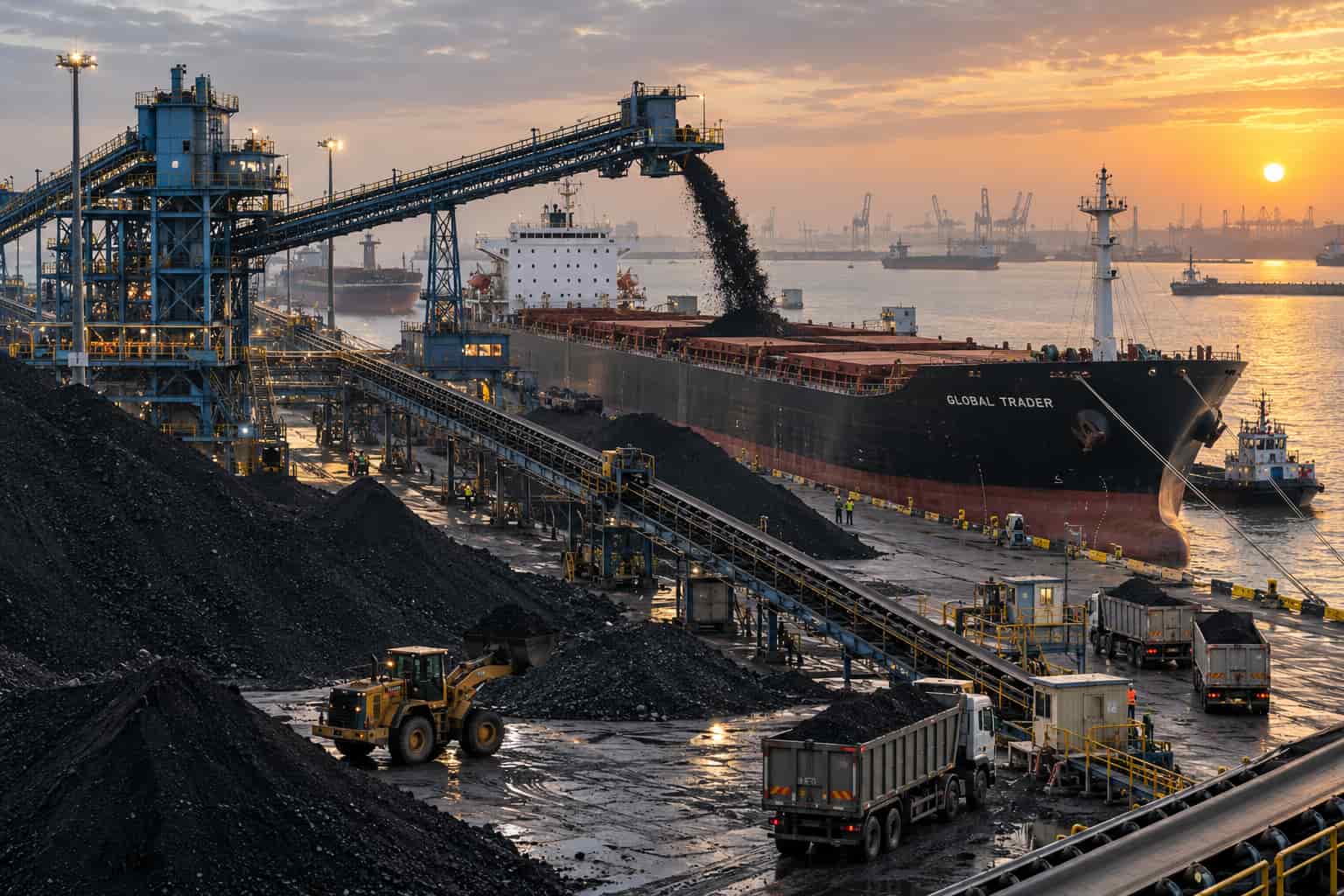
The immediate impact is already visible. Crude prices have surged past $120 per barrel in recent sessions, putting pressure on global markets and raising concerns about inflation and energy costs. For India, which imports over 85% of its crude requirements, such spikes translate directly into higher import bills and fiscal strain.
This is where the contradiction becomes evident. While the weakening of OPEC could theoretically ease supply constraints over time, geopolitical risks are tightening the market in the short term. The result is a dual-phase oil market—one where structural forces point towards loosening, but immediate realities drive tightening.
For India’s downstream sector, the implications are significant. Refining and marketing companies are already facing margin pressures as input costs rise faster than retail price adjustments. Credit rating agencies have warned that sustained high crude prices could impact profitability and strain balance sheets in the coming fiscal years.
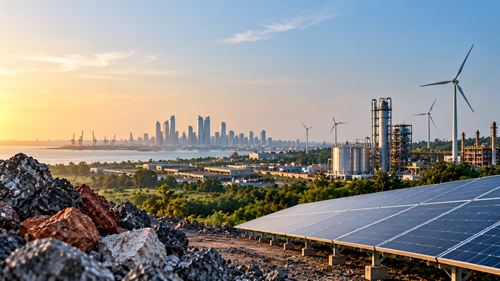
At a broader level, this evolving scenario highlights a deeper vulnerability in India’s energy strategy. Despite progress in renewable energy, the country remains heavily dependent on imported oil for transport, industry and petrochemicals. This dependence exposes it not just to price fluctuations, but to geopolitical shocks beyond its control.
Yet, there is also a strategic opportunity embedded within this disruption. A more fragmented global oil market could allow India to negotiate better supply terms, diversify sourcing, and strengthen bilateral energy partnerships. Countries outside tight cartel frameworks may become more willing to offer competitive pricing and flexible contracts.
The key question, therefore, is not whether these developments are positive or negative, but how they interact over time. If geopolitical tensions ease, the structural loosening of supply could dominate, leading to more stable or even lower prices. But if tensions persist or escalate, short-term shocks could outweigh long-term benefits.
What emerges is a more complex oil market than the one India has navigated in the past. The old binary of ‘tight supply vs loose supply’ is giving way to a layered reality where structural and geopolitical forces operate simultaneously, often in opposing directions.
For policymakers and market participants, this means adapting to a new kind of volatility—one that is less predictable and more interconnected. It also reinforces the urgency of diversifying energy sources, not just for climate goals, but for economic resilience.
In that sense, the current moment may represent more than just another cycle of oil price fluctuations. It could mark the beginning of a more fragmented and dynamic global oil order—one in which India must navigate both opportunity and risk with greater agility.
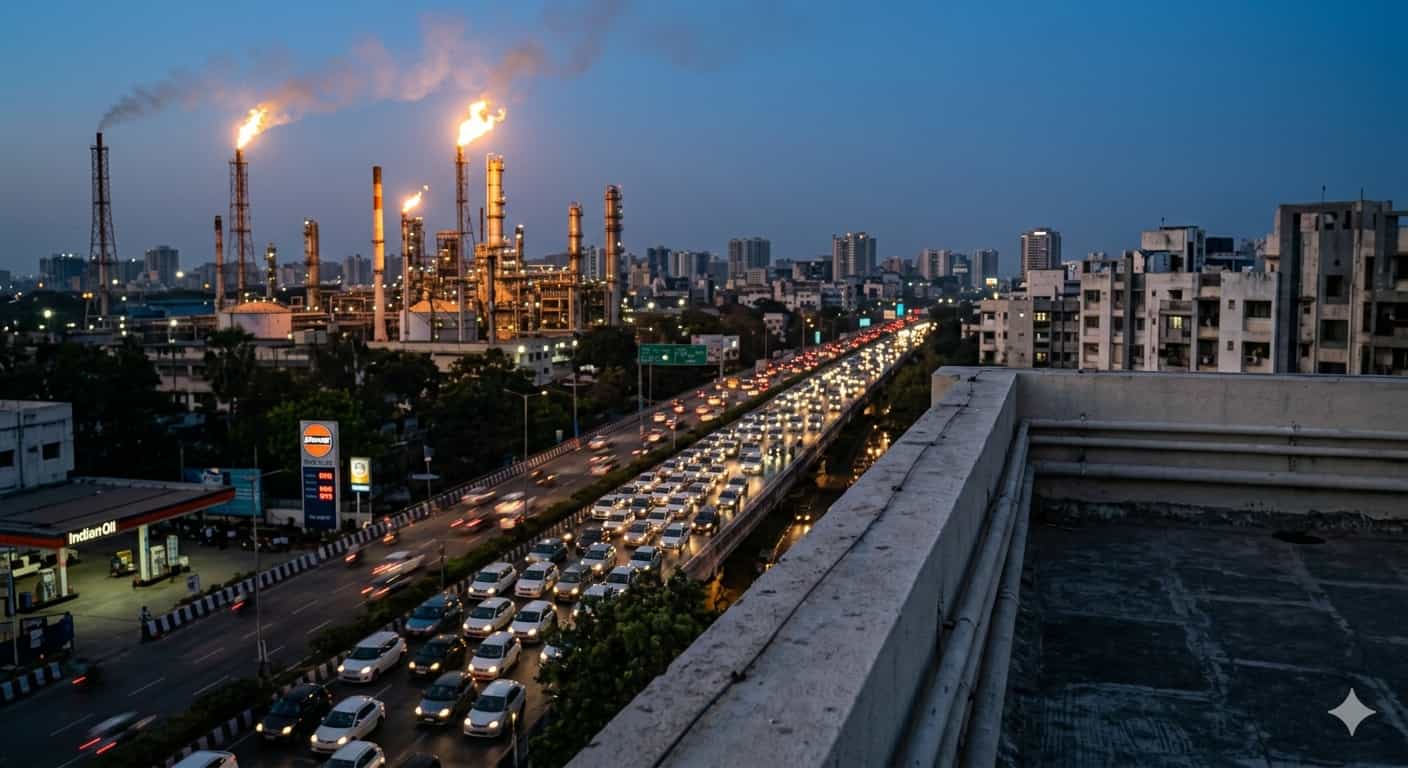
Cover image: AI-generated (representative)