

India’s power sector is no longer defined by a single narrative. For much of the past decade, the story was one of expansion—more capacity, more renewables and more investment. That phase is still underway, but it is now intersecting with a set of deeper challenges that are beginning to shape outcomes in more visible ways.
What is emerging is not a slowdown, but a more demanding phase of transition, where the constraints are less about ambition and more about execution, coordination and industrial depth.
Investment momentum remains strong—but outcomes are becoming more uneven
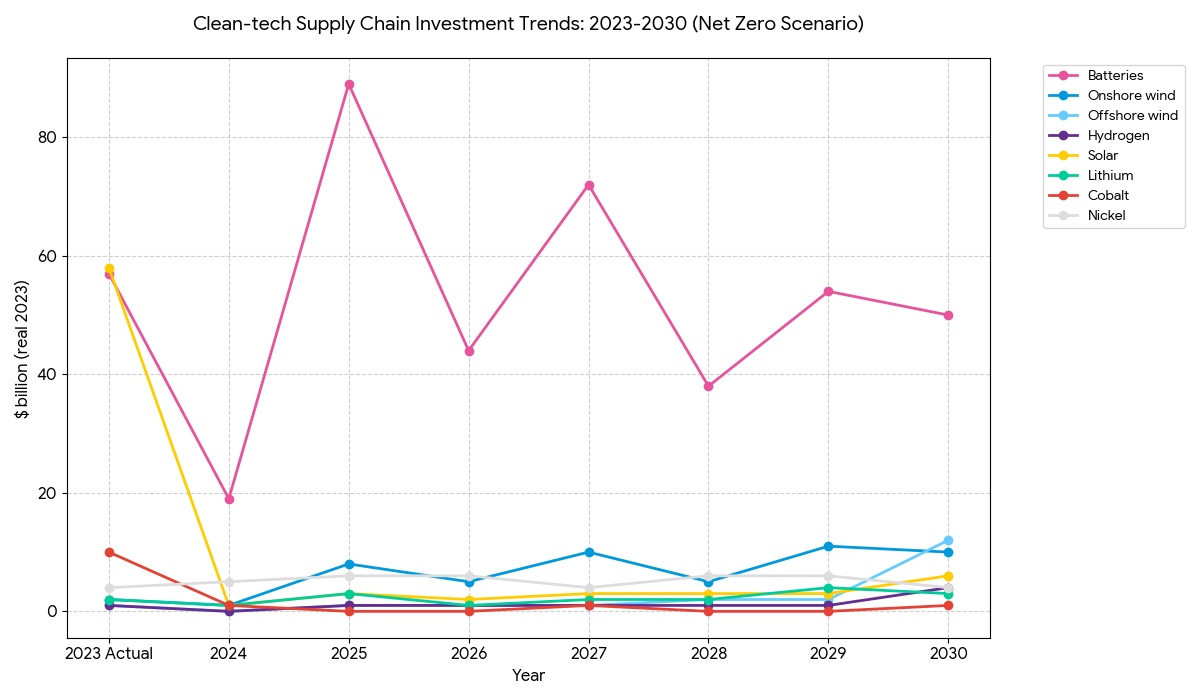
India continues to attract significant capital into its energy and infrastructure ecosystem. Estimates suggest that total capital expenditure across sectors, including energy, could approach $800 billion, reflecting strong investor confidence in long-term growth prospects.
Large corporate groups are responding to this momentum with aggressive expansion plans, particularly in renewables. These investments signal that energy remains central to India’s economic trajectory, not just as a utility sector but as a driver of industrial growth.
However, the translation of investment into outcomes is becoming more uneven. Project pipelines are expanding, but timelines, cost structures and execution capacity vary significantly across segments. This divergence suggests that the next phase will test not the availability of capital, but the system’s ability to deploy it efficiently.
Manufacturing gaps expose the limits of scale-led growth
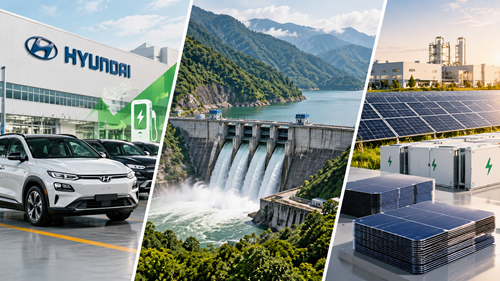
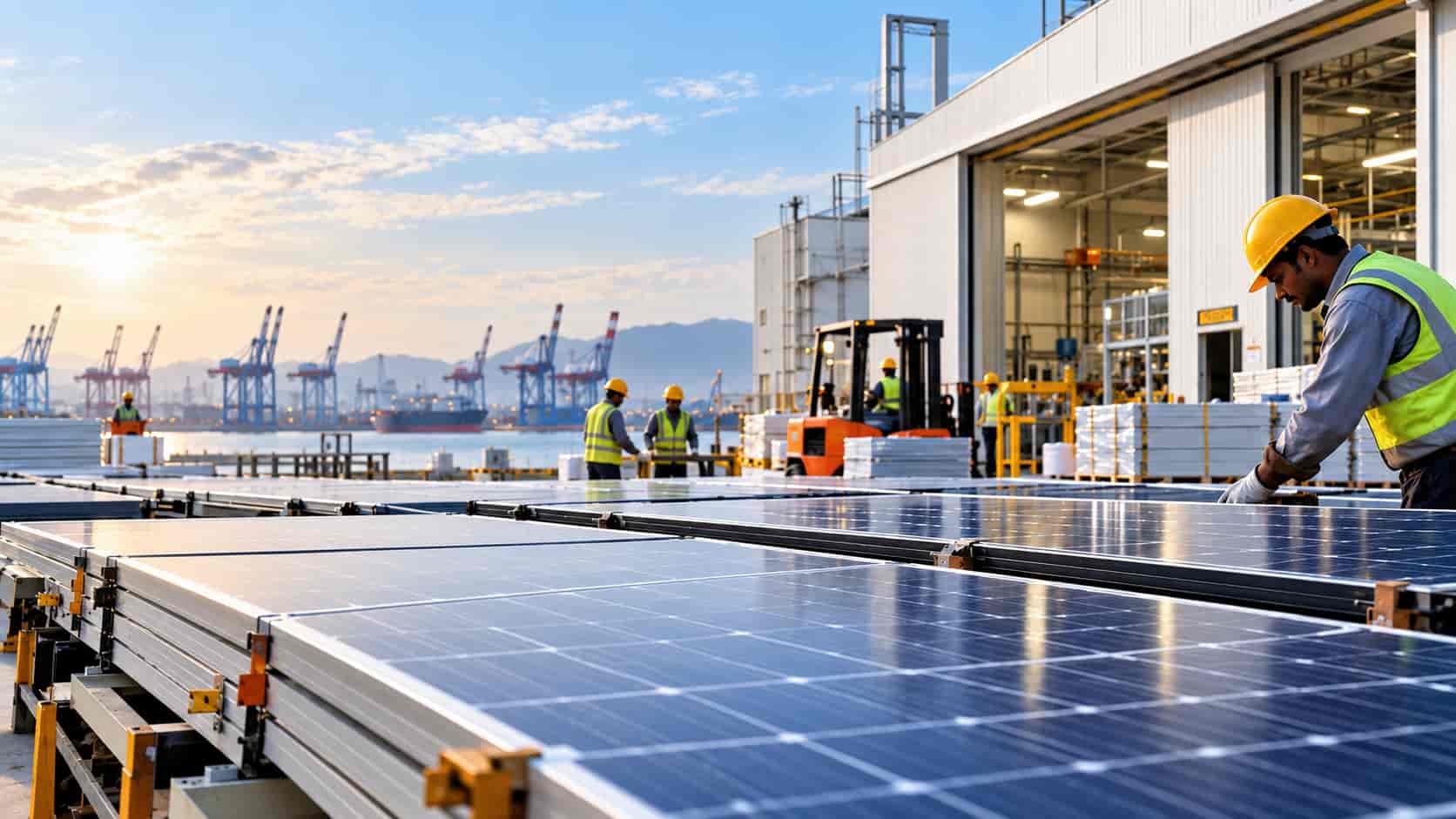
One of the clearest signs of this shift is visible in India’s solar manufacturing ecosystem. While module production has scaled rapidly, cell manufacturing continues to lag, creating a structural gap within the value chain.
This imbalance has practical implications. Without a strong upstream base, the benefits of domestic manufacturing remain partial, and the sector remains exposed to external supply chains.
Policy interventions have begun to address this through incentives and localisation efforts. However, building competitive manufacturing capacity is a longer-term process, requiring not just financial support but technological capability, scale efficiency and stable demand signals.
This is where the distinction between capacity creation and capability creation becomes important. The former can be accelerated through policy; the latter requires sustained ecosystem development.
Fossil fuels continue to anchor the system, even as alternatives expand
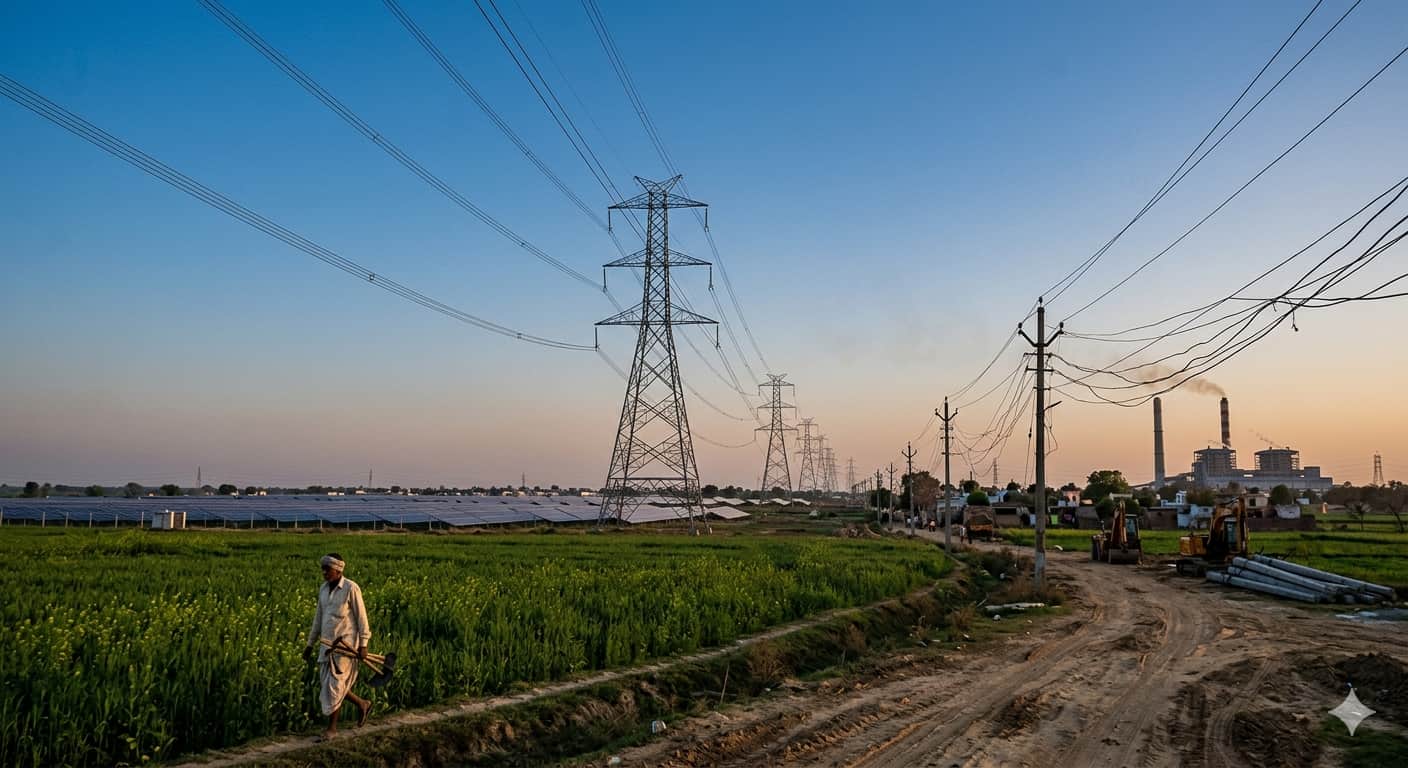
India’s transition is often framed as a move towards clean energy, but fossil fuels remain deeply embedded in the system. Coal, in particular, continues to play a central role, both in electricity generation and in supporting industrial activity.
Recent analyses suggest that coal demand is likely to remain robust in the near to medium term, reflecting both rising energy needs and the practical limitations of alternatives.
At the same time, policy is evolving to make fossil fuel use more efficient and potentially less carbon-intensive. The proposed Rs 37,000 crore (USD 3.9 billion) coal gasification incentive scheme is one such example, aimed at creating higher-value outputs while reducing emissions intensity.
This approach reflects a pragmatic strategy. Rather than attempting a rapid displacement of fossil fuels, the focus is on gradual transition—expanding cleaner sources while improving the efficiency of existing ones.
However, this dual strategy also introduces complexity. Investments must be balanced across competing priorities, and policy signals must remain clear enough to avoid fragmentation.
Renewables are expanding—but integration is becoming more nuanced
Renewable energy continues to be one of the fastest-growing segments within India’s power sector. Solar and wind additions are accelerating, supported by policy frameworks and cost competitiveness.
At the same time, sectoral analyses suggest that overall power sector growth has shown signs of moderation in certain periods, even as renewable capacity expands.
This does not indicate a reversal, but rather a transition into a more nuanced phase. As the share of renewables increases, the dynamics of the system change. Planning, scheduling and system management become more complex, requiring greater coordination across institutions.
Policy responses are beginning to reflect this shift. Government appeals for more efficient electricity use during peak periods indicate a growing focus on demand-side management alongside supply expansion.
Climate ambition is aligning with economic strategy—but execution remains key
India’s climate commitments are increasingly being integrated with its economic strategy. Efforts to use climate data and policy frameworks to attract large-scale green investment—potentially in the trillions of dollars—reflect this alignment.
This shift is significant because it reframes the energy transition as an opportunity rather than a constraint. Investments in renewables, manufacturing and new technologies are positioned as drivers of growth and competitiveness.
At the same time, scientific research continues to highlight the urgency of climate action, particularly for countries like India where economic growth and environmental risks intersect.
However, the effectiveness of this approach will depend on execution. Policy frameworks must translate into bankable projects, stable regulatory environments and efficient implementation on the ground.
The transition is becoming a coordination challenge
What ties these developments together is a shift in the nature of the challenge. The earlier phase of India’s power sector was defined by expansion—adding capacity, mobilising investment and setting targets.
The current phase is increasingly about coordination. Manufacturing must align with deployment. Fossil fuel strategies must align with decarbonisation goals. Investment must align with execution capacity.
Where these alignments hold, the transition can accelerate. Where they diverge, inefficiencies emerge.
Looking ahead: From scale to system efficiency
The trajectory of India’s power sector will depend on how effectively these alignments are managed.
If manufacturing capabilities deepen, domestic value chains could strengthen. If policy clarity improves, investment flows could translate more efficiently into outcomes. If coordination across sectors improves, the transition could become more stable and predictable.
At the same time, the coexistence of multiple energy pathways suggests that the transition will remain gradual. Renewables will expand, fossil fuels will persist and new technologies will evolve.
A more mature, but more demanding phase
India’s power sector is not slowing—it is maturing. The challenges it faces are no longer about ambition or scale, but about execution, balance and efficiency.
This is a more demanding phase, where progress will depend less on announcements and more on delivery.
And in that shift lies the real story: a transition that is becoming less about how fast India can grow its energy system, and more about how effectively it can manage it.
Cover image: AI-generated (representative)