
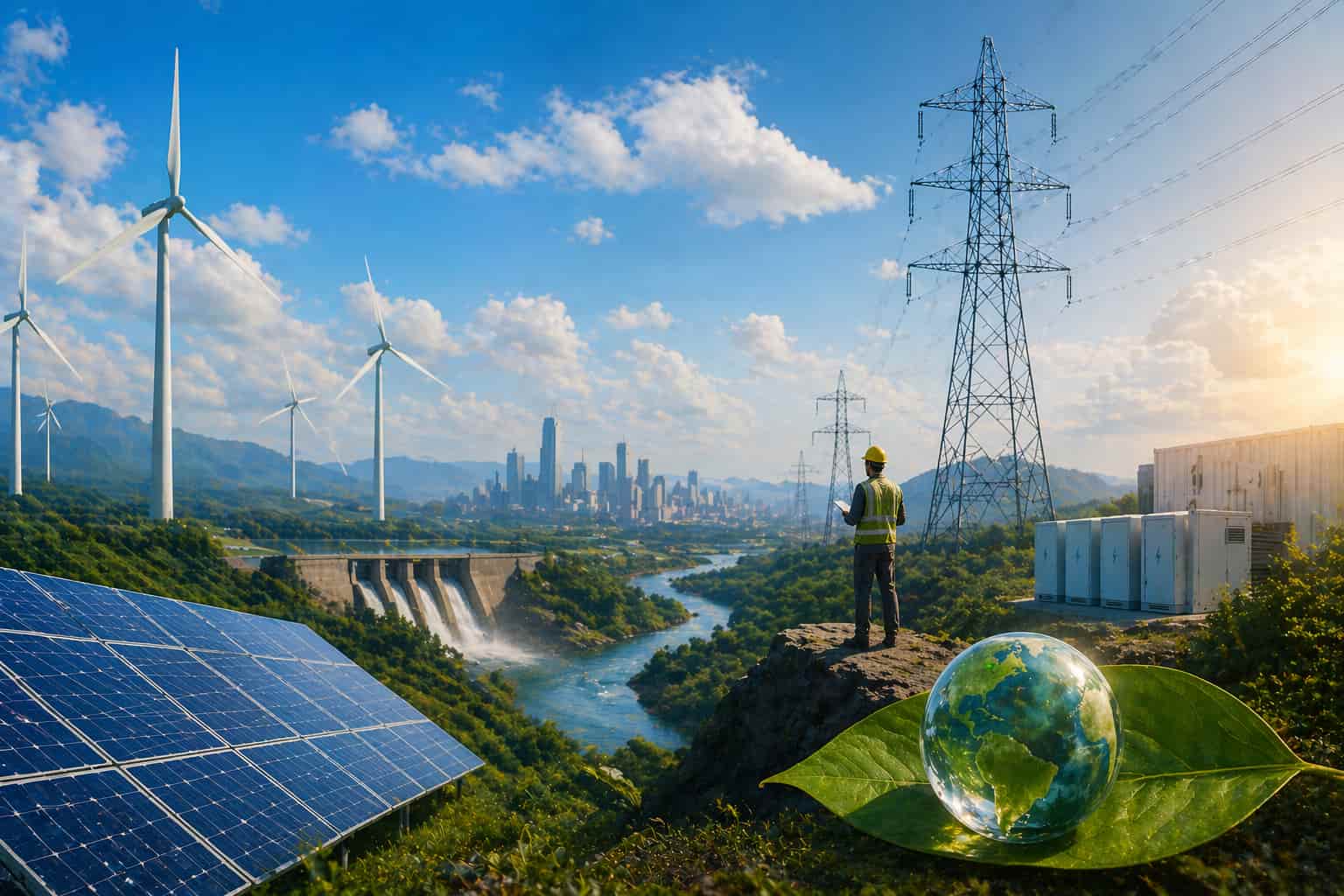
Every so often, global events converge in ways that force humanity to reassess the very scaffolding of civilisation. Climate volatility, geopolitical upheavals, rapid technological shifts and inflationary shocks are rewriting not only policies but also day-to-day priorities. At the centre of it all lies energy—an indispensable force that fuels progress but also poses one of our greatest challenges.
The year 2024 proved to be a turning point in the global energy story. With fossil fuel demand peaking in some sectors, clean energy accelerating and nations navigating a minefield of security risks and climate responsibilities, the global energy system is undergoing its most significant rebalancing act in decades. Yet, beneath these shifts lie uncomfortable contradictions and unanswered questions.
Clean energy is rising, but is it fast enough?
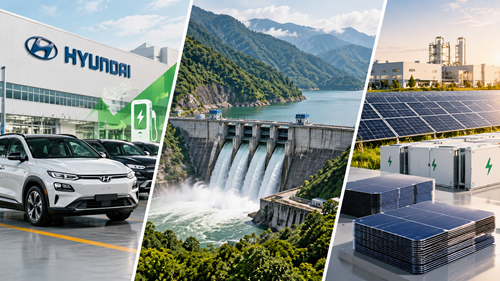
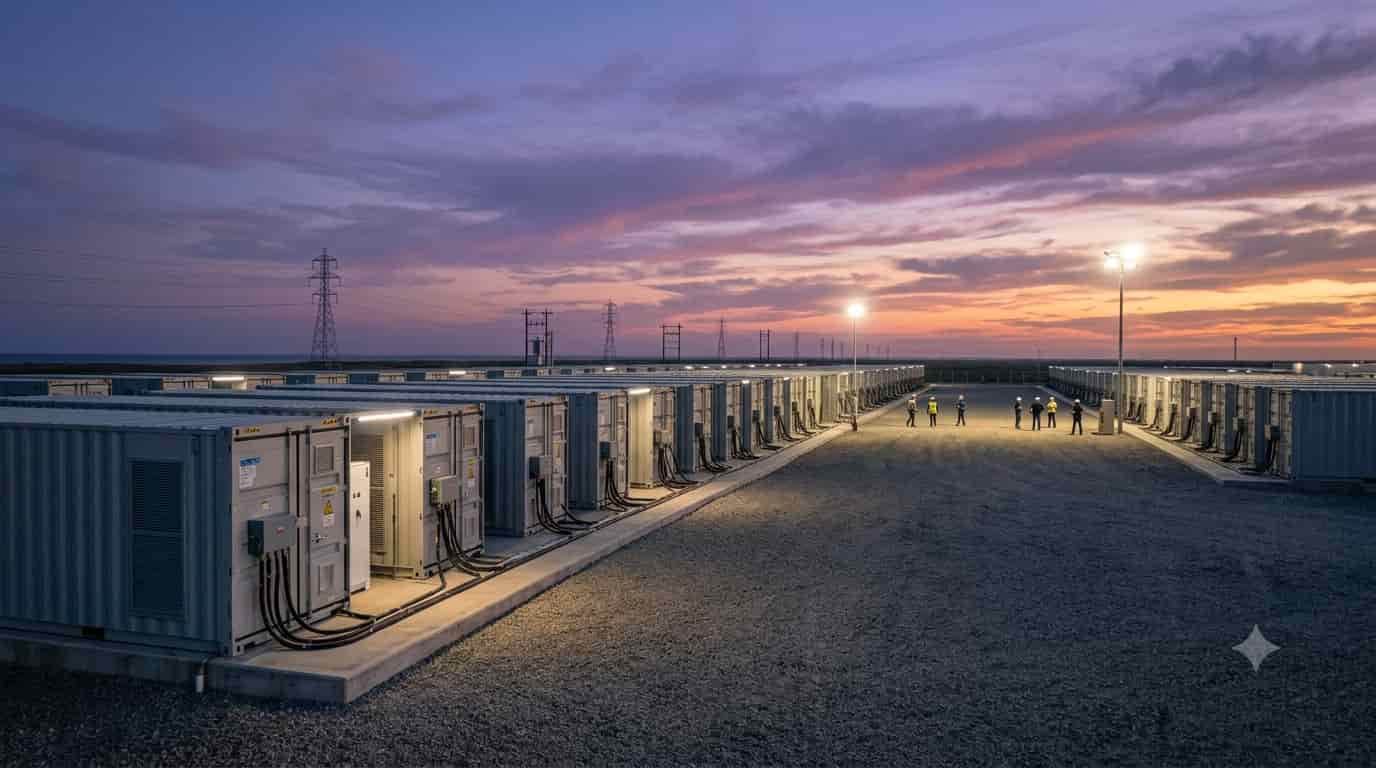
Renewable energy growth has been one of the more hopeful narratives in recent years. Solar and wind power are reaching new capacity records, particularly in countries like China, India, the United States and across Europe. Battery storage and electric vehicles (EVs) are scaling at an unprecedented rate. In 2024, sales of EVs hit a new global milestone, with over 18% of new vehicles sold being electric—an impressive leap from just 4% five years ago.
The falling cost of photovoltaic cells, improved battery technologies and supportive government policies have all played a role. Countries have launched ambitious targets: the EU's Fit for 55 package, India's target of 500 GW of non-fossil capacity by 2030 and the U.S. Inflation Reduction Act's tax credits are key examples. Moreover, technological advancements such as bifacial solar panels and offshore wind turbines are expanding the scope and scale of what renewables can achieve.
But enthusiasm must be tempered with realism. Much of the global electricity mix remains fossil-fuel heavy. In 2024, fossil fuels still accounted for over 60% of global electricity generation. Coal, despite its decline in wealthier nations, saw resurgent demand in some parts of Asia and Africa, driven by energy security concerns and rising electricity needs.
Moreover, renewables—while cleaner—are not automatically sustainable if their supply chains are extractive, exploitative, or environmentally destructive. For instance, lithium and cobalt—critical for batteries—raise ethical and geopolitical red flags. Over 70% of the world’s cobalt is mined in the Democratic Republic of Congo, often under poor labour conditions. Solar panels, while carbon-free in operation, depend on rare earth elements and extensive manufacturing infrastructure, primarily in China. Ensuring transparency, ethical sourcing and circular economy strategies in the renewable supply chain is an urgent need.
Fossil fuels: Down but not out
Oil demand in advanced economies has shown clear signs of decline, especially in transport and industry. However, aviation and petrochemicals remain strongholds of oil use. This decline is not universal. Many emerging economies continue to rely heavily on fossil fuels to meet rising energy needs. Countries like India, Nigeria and Indonesia face a delicate balancing act: expanding energy access and economic development while managing emissions.
Coal saw an uptick in usage during periods of high gas prices and disrupted supply chains. In 2024, coal-fired generation rose by 3% in Southeast Asia, despite global calls for phase-outs. China, while leading in renewables, also approved several new coal plants to secure grid stability. This contradiction underlines the challenge: energy transitions must be reliable, affordable and sustainable.
Even natural gas, once hailed as a “transition fuel,” is under scrutiny. Though it emits less CO₂ than coal or oil, methane leakage across the gas supply chain undermines its environmental credentials. Methane has more than 80 times the global warming potential of CO₂ over a 20-year period, making its containment an urgent priority.
The 2022 energy crisis in Europe, following Russia’s invasion of Ukraine, led to a temporary revival of coal use and significant LNG (liquefied natural gas) imports from the US and Qatar. That trend continued into 2023 and parts of 2024, proving that even in the face of climate ambition, energy security often trumps sustainability.
Energy access and inequality
While global headlines often centre on transitions and decarbonisation, a sobering reality persists: over 700 million people still lack access to electricity. In sub-Saharan Africa, nearly half the population lives without reliable energy. The clean energy transition risks becoming a luxury of the Global North unless investments are redirected toward inclusive growth.
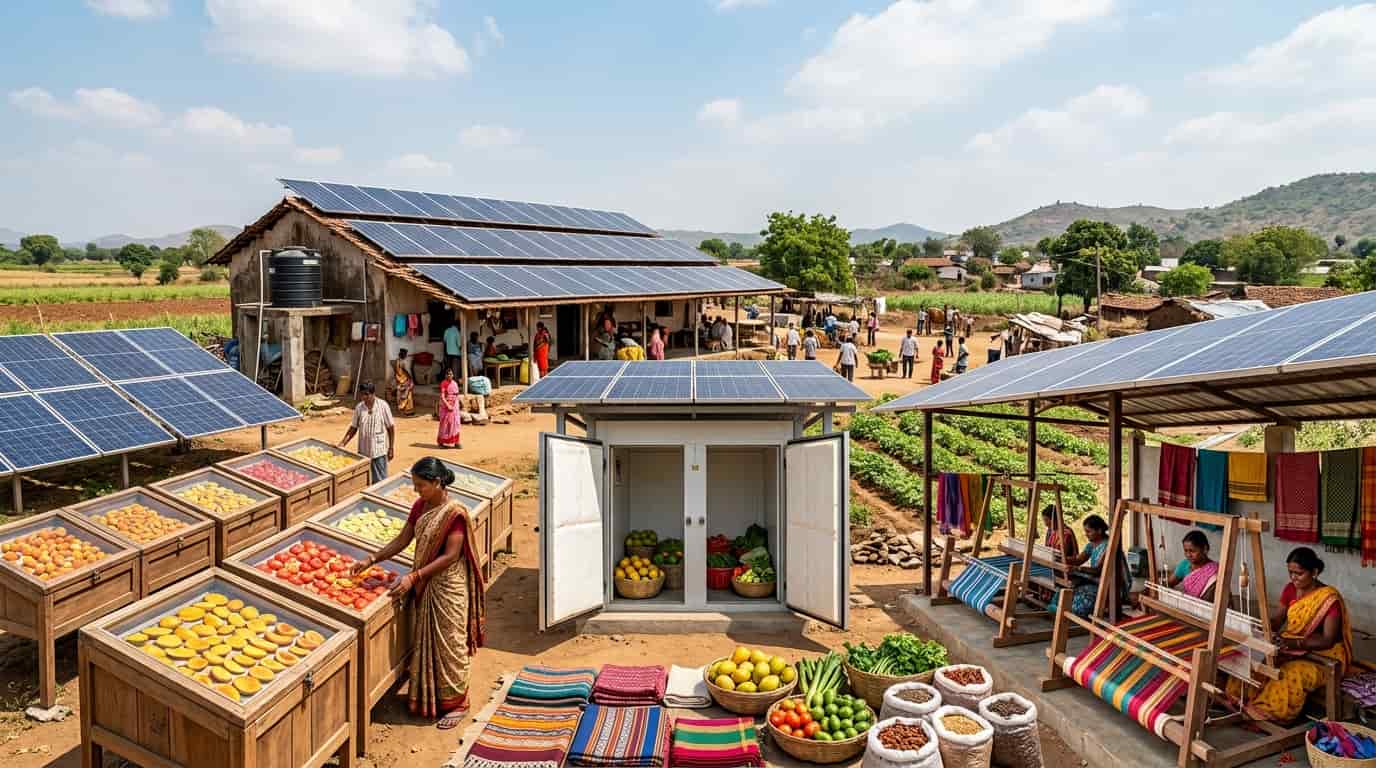
Mini-grids, off-grid solar and decentralised renewable solutions have emerged as powerful tools for rural electrification. In Kenya and Bangladesh, such models have delivered measurable socio-economic benefits, including improved health outcomes, education and female labour participation. Success stories like the Pay-As-You-Go solar schemes in East Africa demonstrate that with the right financing models, decentralised renewables can scale.
Yet financing remains a bottleneck. Developing countries receive a disproportionately small share of clean energy investment—less than 15% of global totals—despite representing the majority of future demand growth. The lack of credit guarantees, foreign exchange risks and high perceived investment risks deter capital flow.
Multilateral banks and public-private partnerships must play a greater role. Bridging the energy divide is not just a moral obligation—it is critical to global climate success. Without universal energy access, the Sustainable development goals (SDGs) remain out of reach.
Industrial decarbonisation: The elephant in the room
Power generation and transport often grab headlines in climate discourse, but heavy industry remains one of the hardest nuts to crack. Cement, steel and chemicals together account for over 20% of global emissions. Electrification is not always a viable solution for these sectors due to their high-heat processes.
Innovative technologies such as green hydrogen and carbon capture, utilisation and storage (CCUS) are being tested, but they remain expensive and under-deployed. For example, fewer than 40 million tonnes of CO₂ were captured globally in 2024—barely scratching the surface of the gigaton-scale challenge. Further, the economic viability of CCUS remains limited unless there is a strong carbon pricing signal or policy support.
Countries like Germany and Japan have launched national hydrogen strategies, and India’s Green Hydrogen Mission aims to produce 5 million tonnes per year by 2030. Pilot projects are underway in Europe and Australia to decarbonise steel using hydrogen. However, scaling these technologies requires massive infrastructure investment and international cooperation.
The decarbonisation of industry also demands regulatory reform, carbon border adjustments, and innovation incentives. Without breakthroughs in industrial decarbonisation, net-zero goals remain aspirational.
Geopolitics and energy weaponisation
The global energy system is no longer just about economics or environment—it's about power. Geopolitical dynamics have reshaped supply chains, pricing, and trust between nations. The weaponisation of energy, particularly gas supplies, during the Ukraine war set a precedent that continues to reverberate.
In response, many countries are accelerating domestic energy resilience strategies. The US Inflation Reduction Act (IRA), with its massive subsidies for clean energy manufacturing, has ignited a global subsidy race. The European Union’s Green Deal Industrial Plan is a direct countermeasure, and India’s Production-Linked Incentive (PLI) schemes aim to foster self-reliance in solar and battery production.
Yet this nationalism of clean tech risks fragmenting global supply chains, increasing costs, and slowing overall progress. A global problem like climate change demands global cooperation, not competition. Trade barriers, intellectual property disputes, and uneven technology access must be addressed through diplomacy and multilateral engagement.
The paradox of progress: Efficiency meets excess
Energy efficiency has improved steadily, with global energy intensity (energy per unit of GDP) falling in recent years. Smart buildings, LED lighting, and more efficient appliances are now common. The International Energy Agency estimates that doubling energy efficiency improvements could deliver over 40% of the emissions reductions needed by 2030.
However, the "rebound effect" often undermines these gains. As devices and systems become more efficient, consumption patterns change—people use more, travel farther, or simply buy larger products. This paradox of progress is a psychological and systemic hurdle in the sustainability conversation.
Moreover, global cooling demand—particularly in hotter countries—is expected to triple by 2050. Air conditioning, while lifesaving, could become a major source of emissions unless powered by clean grids. Innovations in passive cooling, smart building materials, and behavioural nudges are essential.
Efficiency must be paired with sufficiency—reframing consumption itself. Energy-smart policies must go beyond technical fixes to address societal norms, urban design, and lifestyle choices.
Financial flows and political will
In the background of all these technical transitions lies a simple but stubborn truth: the energy transition is as much about politics and finance as it is about technology.
Global investment in clean energy reached over USD 2 trillion in 2024—a record. Yet this is still short of the USD 4 trillion per year needed by the end of this decade to align with a net-zero pathway.
Public finance institutions, especially multilateral development banks, must recalibrate their risk frameworks to unlock private investment in developing countries. Blended finance, de-risking mechanisms, and sovereign guarantees are critical tools—but remain underutilised.
Moreover, political will is inconsistently applied. While some governments are bold in ambition, others face backlash, misinformation campaigns, and election-year anxieties. Energy transitions often require short-term sacrifice for long-term gain—a tough sell in a polarised political climate.
Civil society, youth movements, and local governments must become stronger voices in the energy debate. Accountability, transparency, and citizen engagement are essential pillars of a just transition.
A world reimagined: From control to collaboration
As these various threads interweave, it’s clear that the global energy story is being rewritten in real time. A recent analysis titled Global Energy Review 2025 captured many of these trends—both optimistic and cautionary. But what it underscored most powerfully was that we are entering an age where no single technology, country, or ideology can dominate the future of energy.
Instead, cooperation, agility, and humility must become our guiding principles. Whether it's sharing grid interconnections across borders, jointly investing in innovation, or setting fair carbon pricing mechanisms, the new world order in energy must be as much about diplomacy as it is about electrons.
The road ahead
The energy future is not predetermined—it is a choice. Each policy, investment, and societal shift contributes to shaping that outcome. While progress has been made, the pace and scale still fall short of what the moment demands.
Yet there is reason for hope. Humanity has consistently shown that it can rise to challenges—especially when the stakes are this high. If 2024 was a year of reckoning, 2025 could be a year of reinvention.