

As India’s energy transition evolves, battery storage is beginning to move beyond large, centralised deployments towards more flexible and decentralised applications. This shift is giving rise to new business models that combine storage with generation, distribution, and end-use systems.
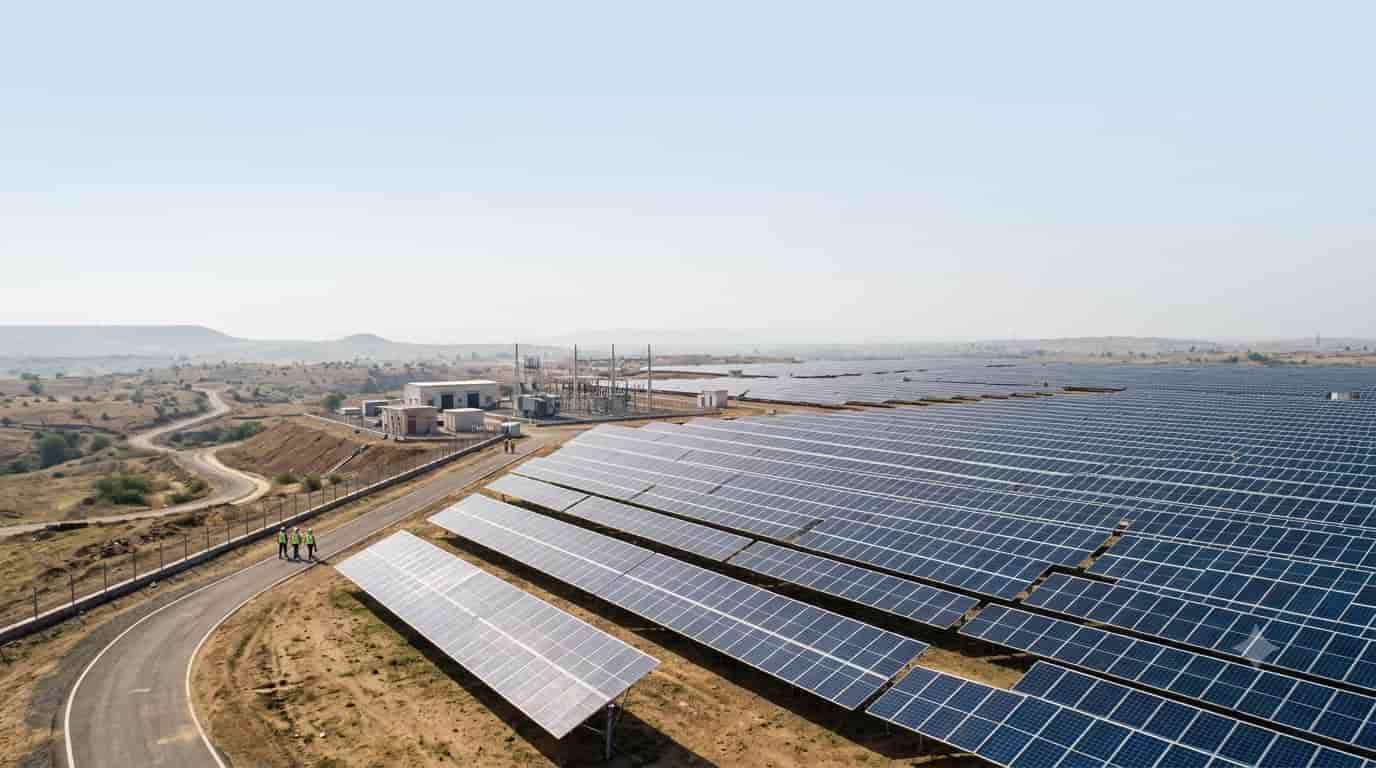
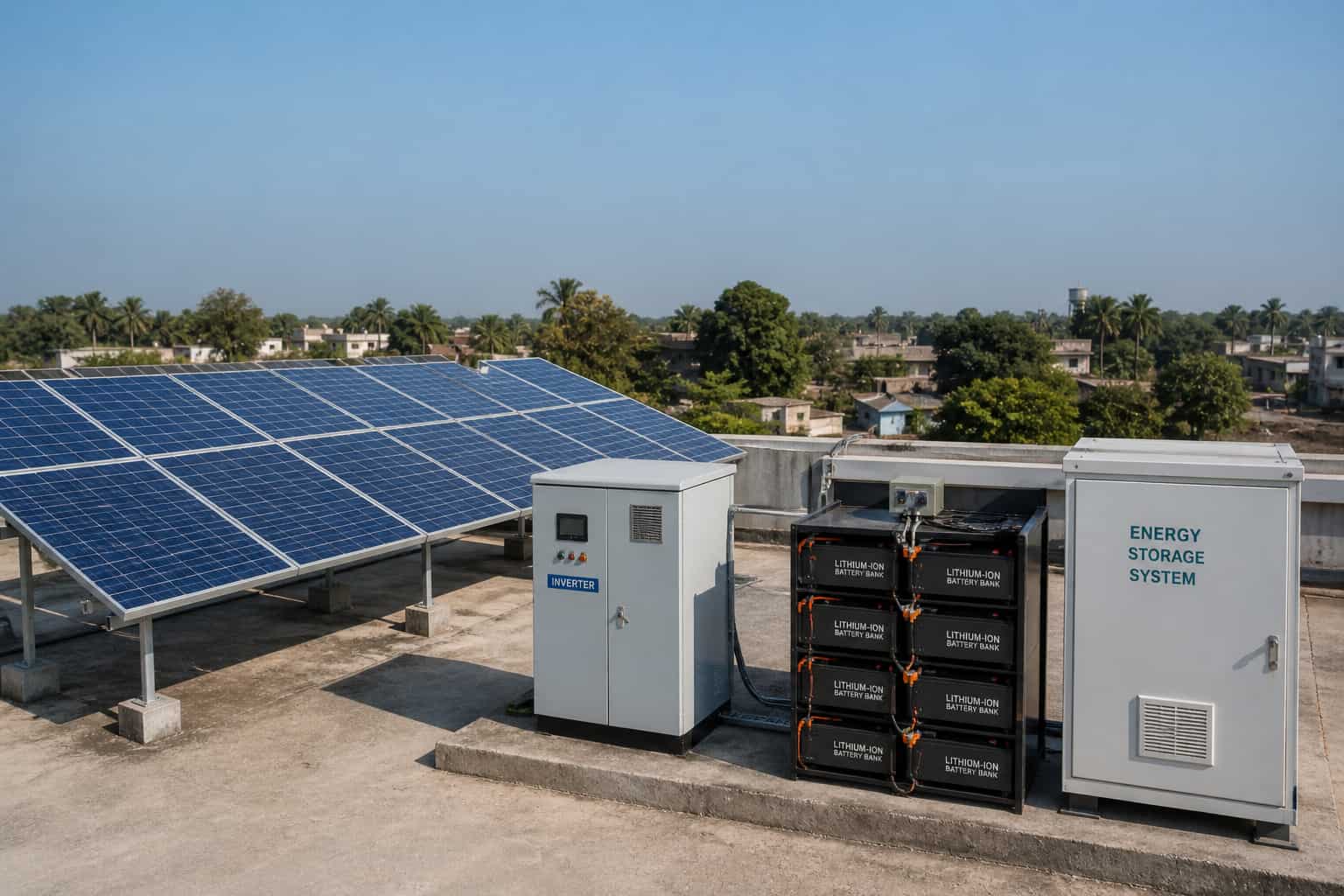
One of the most visible trends is the integration of storage with renewable energy projects. Hybrid models—particularly solar-plus-storage—are gaining traction as they allow developers to deliver more consistent and reliable power. Such configurations enable energy generated during the day to be stored and used during peak demand periods, enhancing both efficiency and value.
At the same time, utility-scale projects are increasingly incorporating storage as a standard component. The award of a 290 MWh BESS project linked to NTPC reflects how storage is being embedded within conventional power procurement frameworks.
Beyond utility-scale applications, decentralised storage solutions are also beginning to emerge. Smaller, modular systems are being deployed at substations and local grids, enabling more granular control over energy flows. Power Grid’s initiatives to install BESS at multiple substations highlight this trend towards distributed storage infrastructure.
These developments point to a broader transformation in how energy systems are designed and operated. Instead of relying solely on centralised generation and transmission, the system is gradually becoming more distributed, with storage playing a key role in managing localised supply and demand.
The implications of this shift are significant. Decentralised storage can enhance resilience, reduce transmission losses, and enable more efficient integration of renewable energy at the local level. It also opens up new opportunities for innovation, particularly in areas such as microgrids, rural electrification, and industrial energy management.
However, scaling these models will require supportive policy frameworks and clear regulatory pathways. Issues related to ownership, pricing, and grid access will need to be addressed to unlock the full potential of decentralised storage.
Even so, the trend is clear. Storage is no longer confined to large-scale infrastructure—it is becoming an integral part of a more flexible, distributed energy ecosystem.
As hybrid and decentralised models gain traction, they are likely to play a defining role in shaping the next phase of India’s energy transition.
Cover image: AI-generated (representative)