
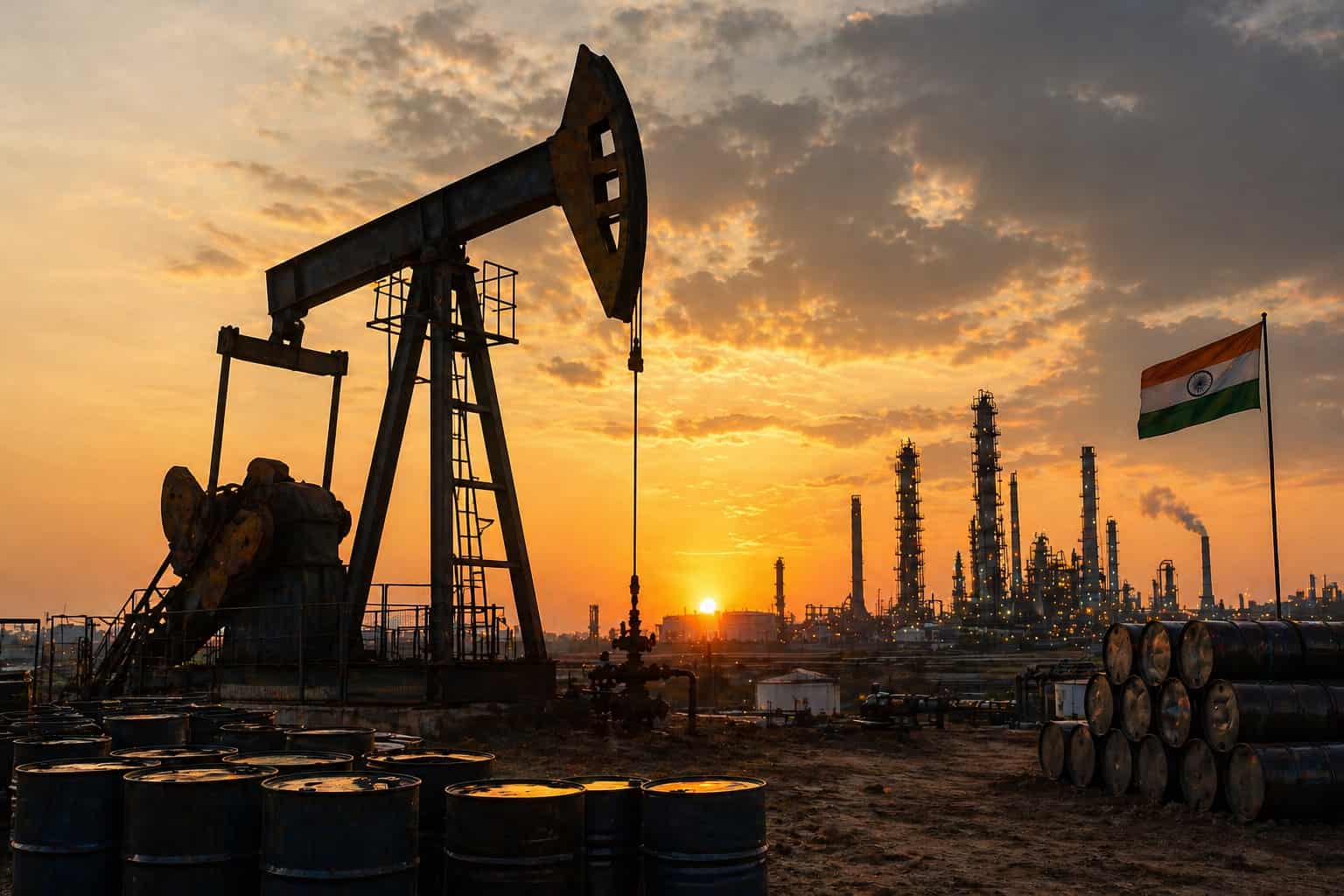

India’s energy markets are entering a period of uneasy equilibrium, shaped by volatile global prices, tightening domestic supply conditions, and shifting demand patterns across power and fuel segments. While crude oil prices have stabilised in recent months, natural gas markets remain tight and electricity demand continues to test system limits, creating a complex landscape for policymakers and investors alike.
At the centre of this evolving market dynamic lies a familiar tension: the need to balance affordability, security, and sustainability. As India pushes forward with its energy transition, the behaviour of its markets is becoming increasingly influenced by both global disruptions and domestic structural constraints.
Oil: Stability with underlying volatility
Global crude oil prices have shown relative stability in early 2026, hovering within a narrower band compared to the extreme volatility seen during the 2022–23 period. However, this apparent calm masks deeper uncertainties.
Supply dynamics remain influenced by production decisions from OPEC+ countries, geopolitical risks in key regions, and evolving demand patterns in major economies such as China and the United States. For India, which imports over 85 per cent of its crude oil requirements, even moderate price fluctuations can have significant macroeconomic implications.
Recent assessments indicate that while demand growth in advanced economies is slowing, emerging markets continue to drive consumption.
This creates a floor under prices, limiting the likelihood of sustained declines. At the same time, the growing share of renewables and electric mobility is beginning to reshape long-term demand expectations, adding another layer of complexity to oil market outlooks.
Natural gas: The tightening squeeze
If oil markets appear relatively stable, natural gas tells a different story. Global gas markets remain structurally tight, influenced by supply constraints, geopolitical tensions, and competition between regions.
The after-effects of Europe’s shift away from Russian pipeline gas continue to reverberate through global LNG markets. Asian buyers, including India, are increasingly competing with European demand for spot cargoes, pushing prices upward during peak periods.
India has set an ambitious target of increasing the share of natural gas in its energy mix from around 6 per cent to 15 per cent. However, price volatility and supply constraints are emerging as key obstacles.
High LNG prices have, at times, forced industrial consumers to switch back to alternative fuels, undermining the role of gas as a transition fuel. This volatility complicates long-term contracting strategies and adds uncertainty for investors in gas infrastructure.
Power markets: Demand surge meets supply stress
India’s electricity markets are witnessing sustained demand growth, driven by economic expansion, rising temperatures, and increasing electrification.
Peak power demand crossed 250 GW in 2025, and is expected to rise further as cooling demand intensifies and industrial activity expands.
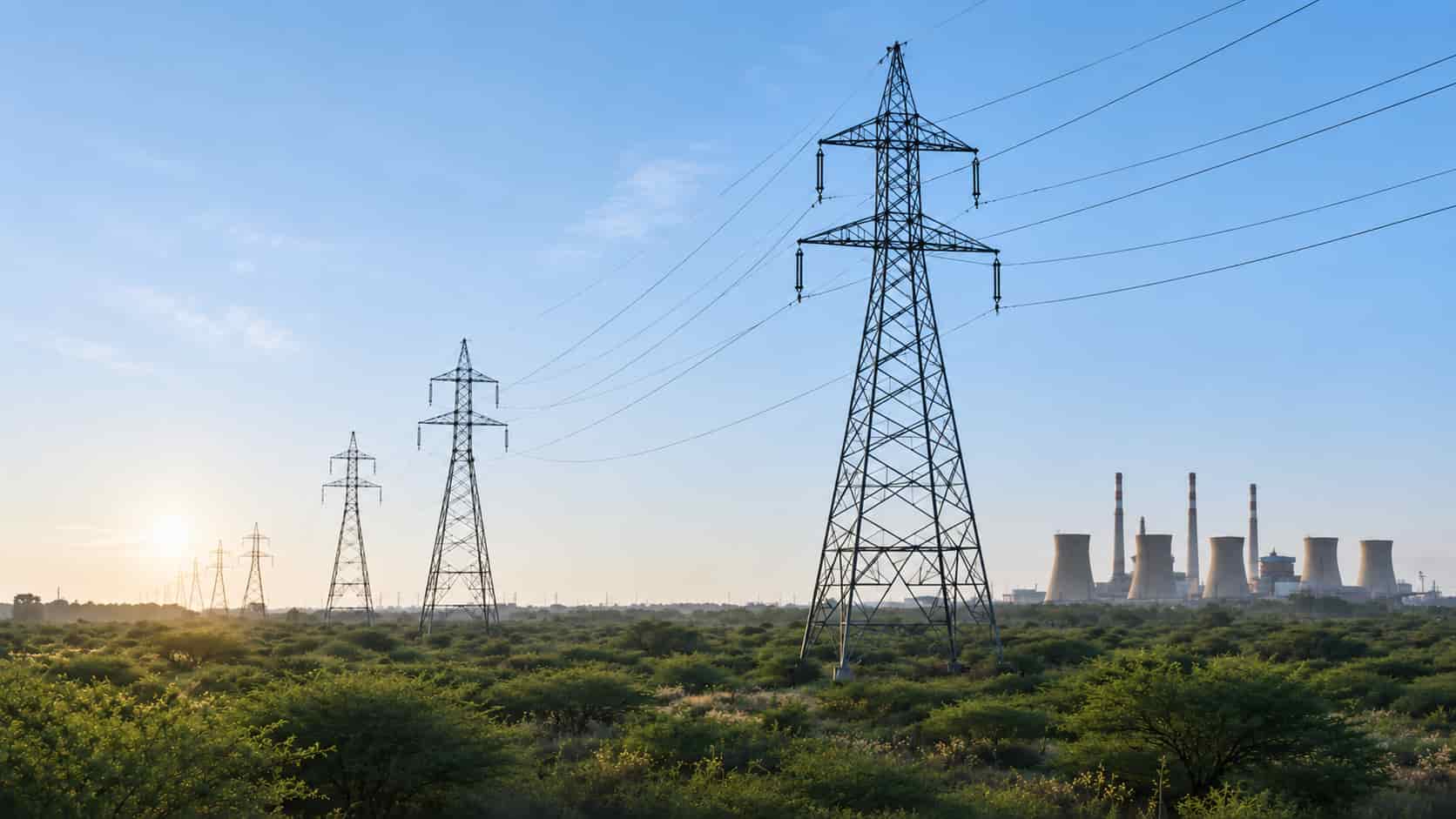
This surge is placing pressure on generation capacity, particularly during peak hours. While renewable energy continues to expand, its intermittent nature means that thermal power remains critical for balancing supply.
Coal-based generation has seen periodic increases to meet demand spikes, even as the country pursues decarbonisation goals. This reflects the underlying reality that energy transitions must be managed alongside reliability concerns.
At the same time, short-term power markets and exchanges are gaining prominence, offering greater flexibility in procurement. However, price volatility in these markets remains a concern, particularly during periods of high demand.
Coal: The quiet stabiliser
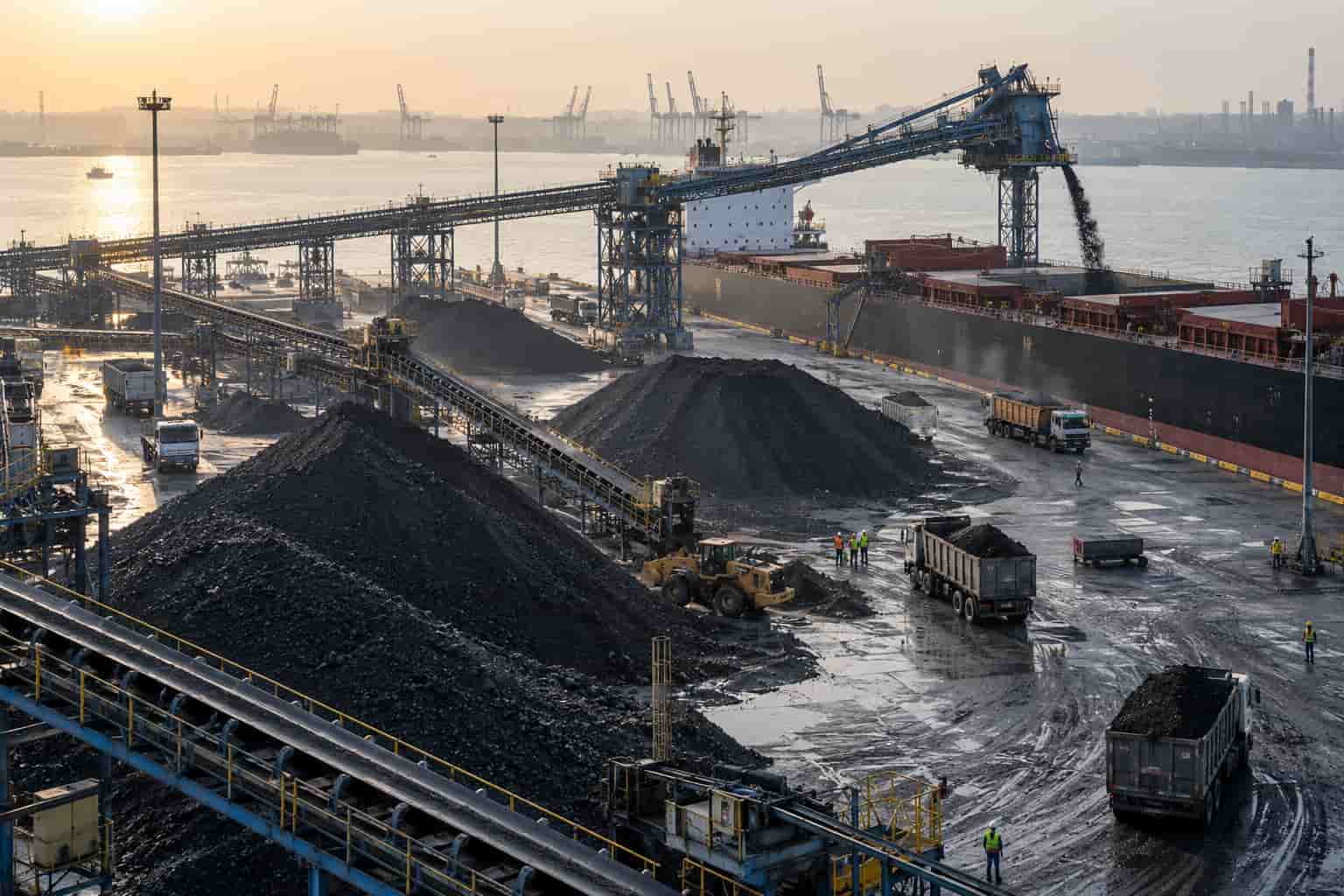
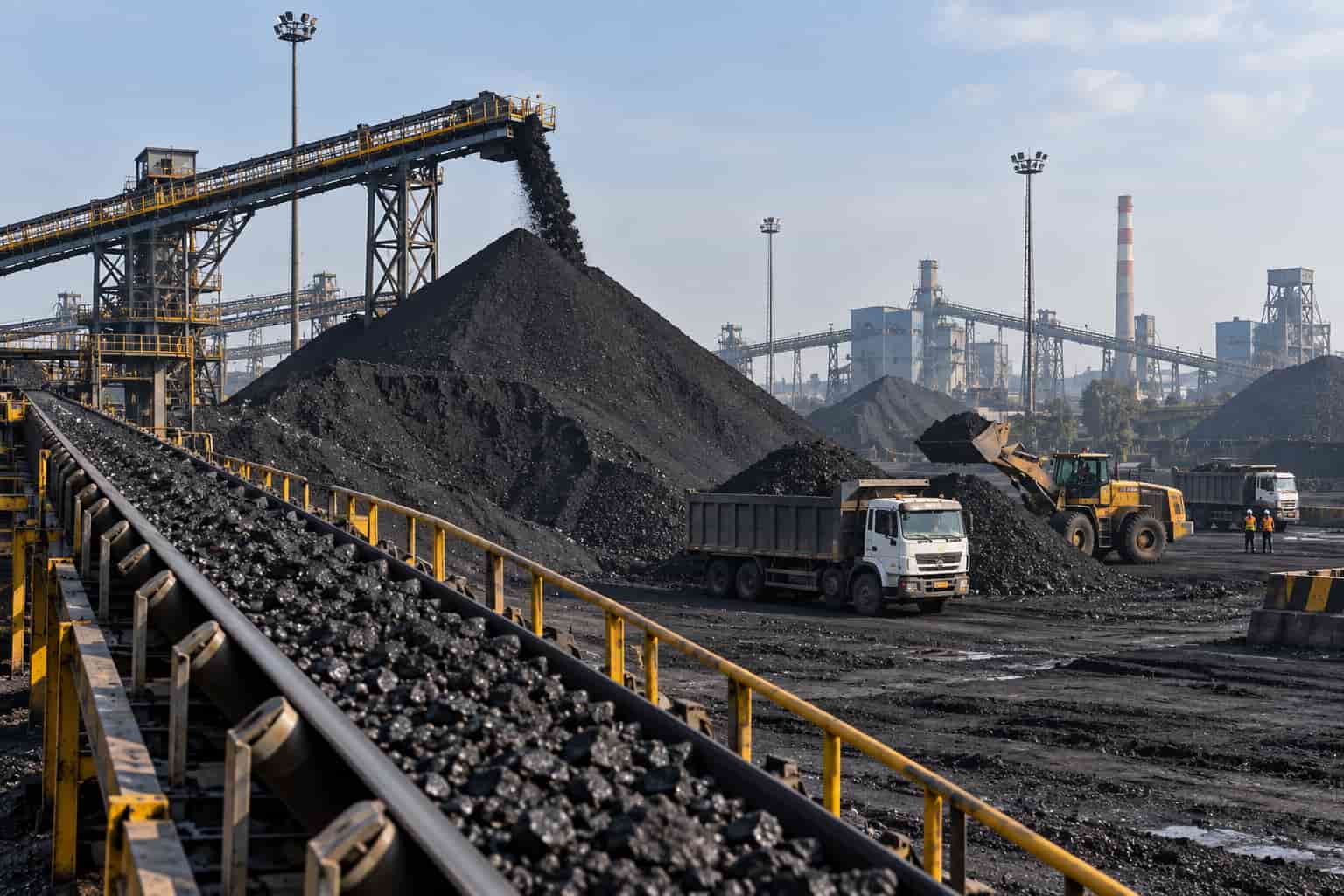
Amid the volatility in oil and gas markets, coal continues to play a stabilising role in India’s energy system.
Domestic coal production has increased in recent years, reducing reliance on imports and improving supply security. However, logistical constraints and seasonal demand fluctuations continue to create challenges.
Coal remains the backbone of India’s power sector, accounting for a significant share of electricity generation. While its long-term role is expected to decline, it continues to provide critical support during periods of high demand and renewable variability.
Renewables: Growth meets integration challenges
Renewable energy remains the fastest-growing segment of India’s energy market. Solar and wind capacity additions continue at pace, supported by policy incentives and falling technology costs.
However, as renewable penetration increases, market dynamics are becoming more complex. Issues such as curtailment, grid congestion, and pricing mechanisms are beginning to influence investment decisions.
The emergence of hybrid projects, combining solar, wind, and storage, reflects an attempt to address these challenges. Yet, the economics of such projects are still evolving, and financing remains sensitive to policy clarity and contract enforcement.
The macroeconomic overlay
India’s energy markets do not operate in isolation. They are closely linked to broader macroeconomic conditions, including inflation, currency movements, and fiscal policy.
A weaker rupee increases the cost of imported fuels such as crude oil and LNG, while higher global interest rates raise financing costs for energy projects. These factors, in turn, influence domestic pricing and investment decisions.
Global institutions have highlighted that energy price volatility remains a key driver of inflation in emerging economies.
For India, managing this volatility is critical to maintaining economic stability while advancing its energy transition goals.
A market in transition
What emerges from these trends is a picture of an energy market in transition—not just in terms of fuel mix, but in the way it functions.
Oil markets are adjusting to shifting demand patterns, gas markets are grappling with structural tightness, and power markets are adapting to rising demand and renewable integration. Each segment presents its own set of challenges, yet they are increasingly interconnected.
The road ahead: Navigating uncertainty
India’s energy markets are likely to remain characterised by volatility and uncertainty in the near term. Managing this will require a combination of strategic planning, policy flexibility, and investment in infrastructure.
Diversifying energy sources, strengthening domestic production, and enhancing market mechanisms will be key to improving resilience. At the same time, integrating new technologies such as storage and digital systems can help stabilise markets and improve efficiency.
Ultimately, the success of India’s energy transition will depend not only on capacity addition, but on the ability to manage market dynamics effectively.
Cover image: AI-generated (representative)