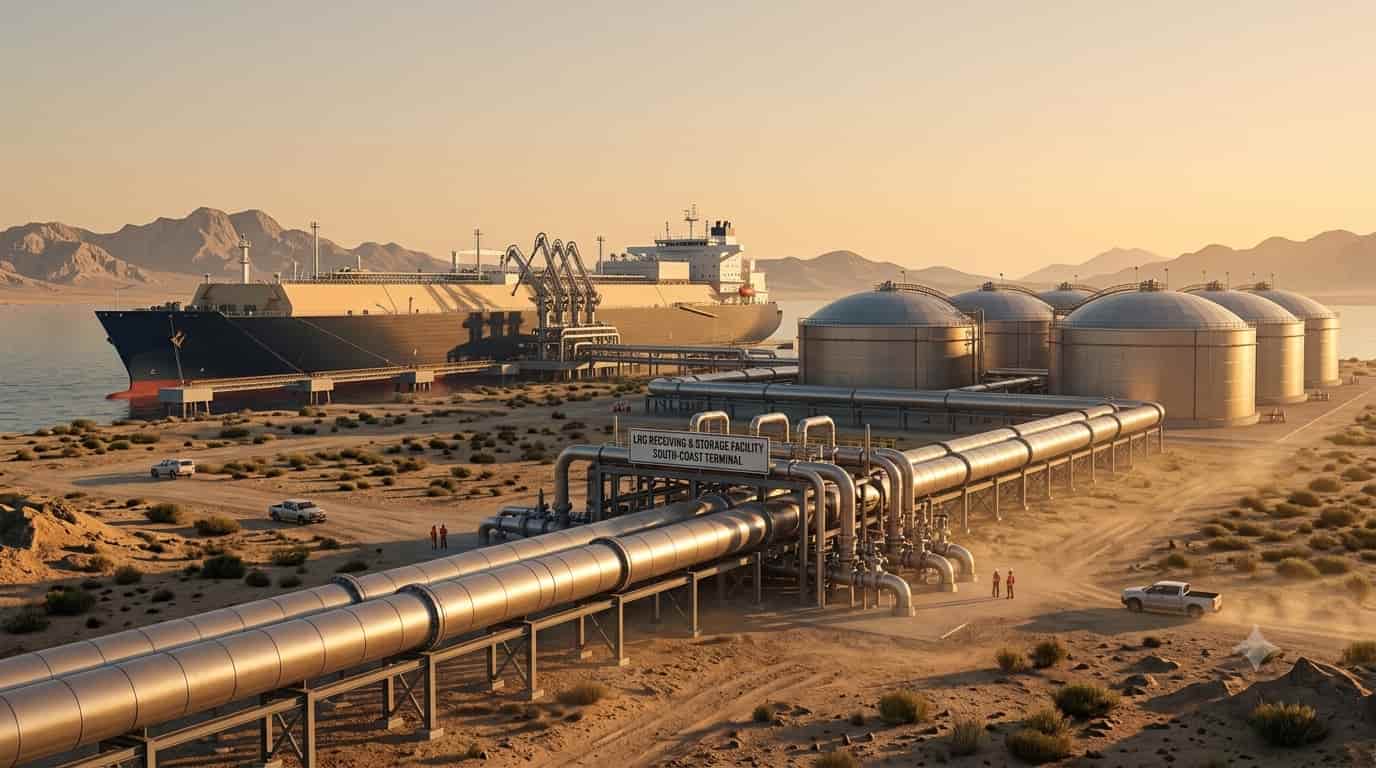

Extraordinary times often bring forth incomparable results and the coronavirus pandemic which is spreading its antennae engulfing all forms of business activities in uncertainties is impacting the crude oil sector as well.
In a historic first, global crude oil prices in futures market have fallen below zero. American benchmark crude West Texas Intermediate Prices for May delivery was trading below $40 per barrel.
Such unprecedented drop in crude future should automatically translate into less money for fuel, however, it isn’t so as the economics works differently here. In India, oil companies are considering trade parity pricing which dents the possibilities of the end consumer paying less price. Last month when crude was trading at around $35 a barrel, the Government of India, in a smart move, had hiked excise duty on petrol and diesel by Rs.3 each.
Highlighting this an oil industry executive said that fall in crude price doesn’t translate into less price for fuel in the retail outlets for reasons more than one. He said that the retail prices of petrol and diesel are linked to prices of these fuels in the global market and not to crude oil as such. One can expect a fall in the retail prices of petrol and diesel when the product prices of the fuel falls. Further high taxes dent any possibilities of retail customers availing fuel in petrol pumps at price competitive rates.
Interestingly, crude accounts for around 90% of the cost of refinery products and is considered as the single largest determinant for retail price of fuel. It is to be noted that two years ago, in 2018, to extend benefits to consumers from the drop in international fuel prices, three of the largest oil companies in India including Indian Oil Corporation, Bharat Petroleum Corporation and Hindustan Petroleum Corporation had swapped to daily price revisions from the fortnightly pricing system, which was the norm earlier.
Oil companies in India adhere to trade parity pricing which is calculated on the prevailing prices of petrol and diesel in the international market. The price is arrived through a simple calculation, i.e. 80% of import price and 20% of export price of the fuel. Additionally, there is dealer commissions, excise duty, and taxes, all of which add up to the final price which the common man pays for when he purchases the fuel.
Industry analysts also point out that the government is also trying to offset losses in other areas by collecting more taxes from fuel. The excise duty hike of Rs.3 per litre last month and the hike on special excise duty on petrol by Rs. 2 to Rs.8 per litre and Rs.4 for diesel were to balance the losses incurred in other spheres. Road cess was also raised by Rs.1 per litre each on petrol and Rs.10 on diesel. Although the government is trying to take full advantage from the fall in crude oil prices globally, it is not sure whether this move will give them enough money in the exchequer.
The coronavirus pandemic and the lockdown imposed by the government to curtail the spread of the disease has led to a severe slump in demand for petrol and diesel throughout the country. With most of the vehicles off the roads since the lockdown, oil marketing companies have been incurring losses and are using the low crude oil prices as a support to offset their own losses. Furthermore, the rupee is weak as against the dollar which is another factor in determining the overall retail prices of petrol and diesel in petrol pumps.
Buying will be highly curtailed in the lockdown period and that may perhaps save the budget for the time being and with many continuing to work from home post-lockdown, the demand for fuel may be reduced but it is unlikely that petrol and diesel prices will witness any big fall in the near term. Companies will try to make up for their losses during the Covid-19 and post-Covid -9 period by keeping the prices at current levels.