
India’s climate debate is undergoing a subtle but significant shift. For years, discussions around climate policy revolved largely around emissions targets, renewable energy expansion and global carbon negotiations.
Increasingly, however, the country’s focus is moving towards something more immediate and economically disruptive: survival in an era of unstable weather, rising heat and growing uncertainty over climate finance.
This transition is beginning to reshape not just environmental policy, but also energy demand, industrial planning, agricultural systems and infrastructure investment.
As extreme weather events intensify and monsoon patterns become less predictable, India may be entering what analysts increasingly describe as an ‘adaptation economy’ — a phase where climate resilience becomes as strategically important as decarbonisation itself.
The implications could be profound for the energy sector.
From emissions targets to survival economics
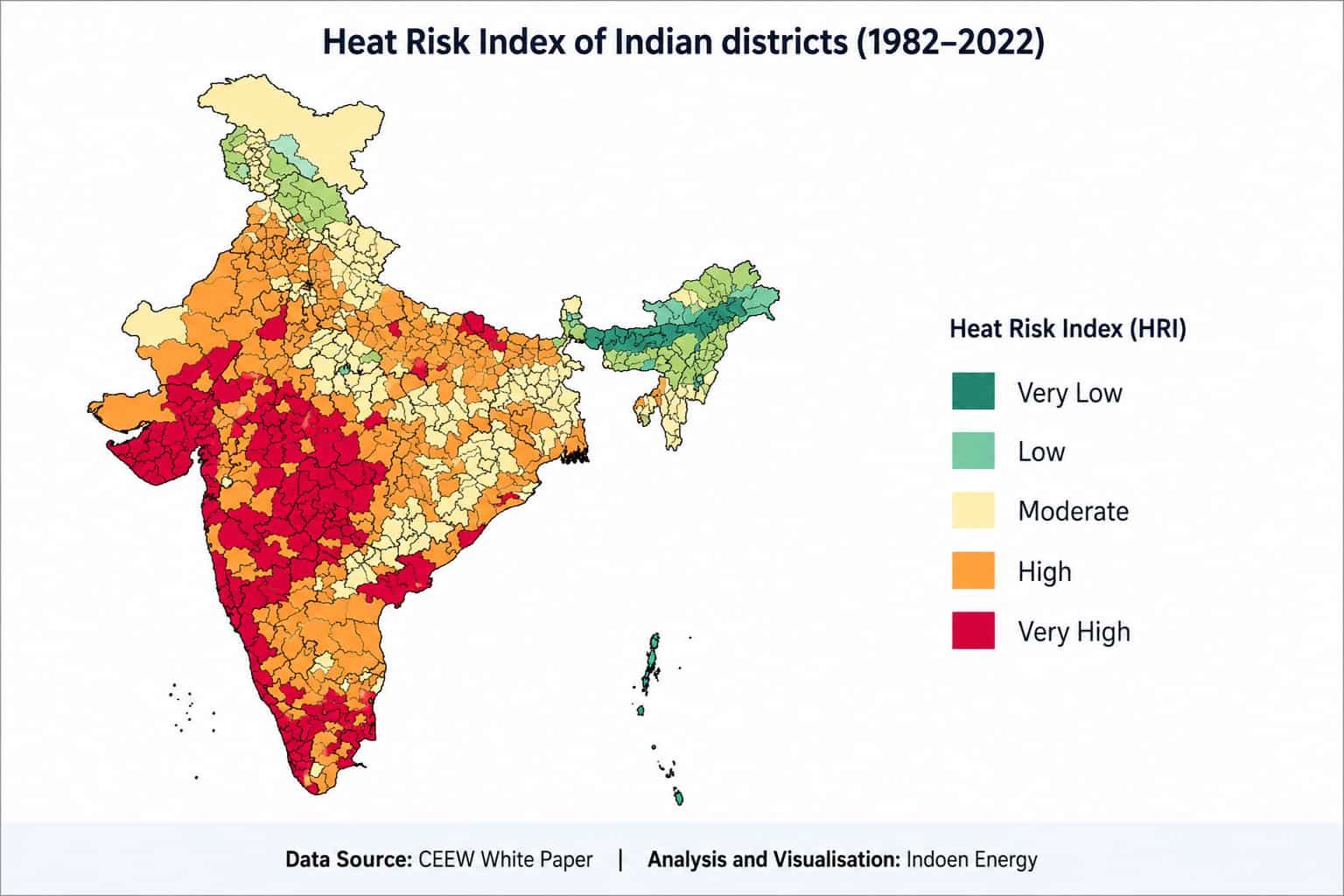
India’s record-breaking heatwaves over the past two years have exposed the growing economic risks of climate volatility.
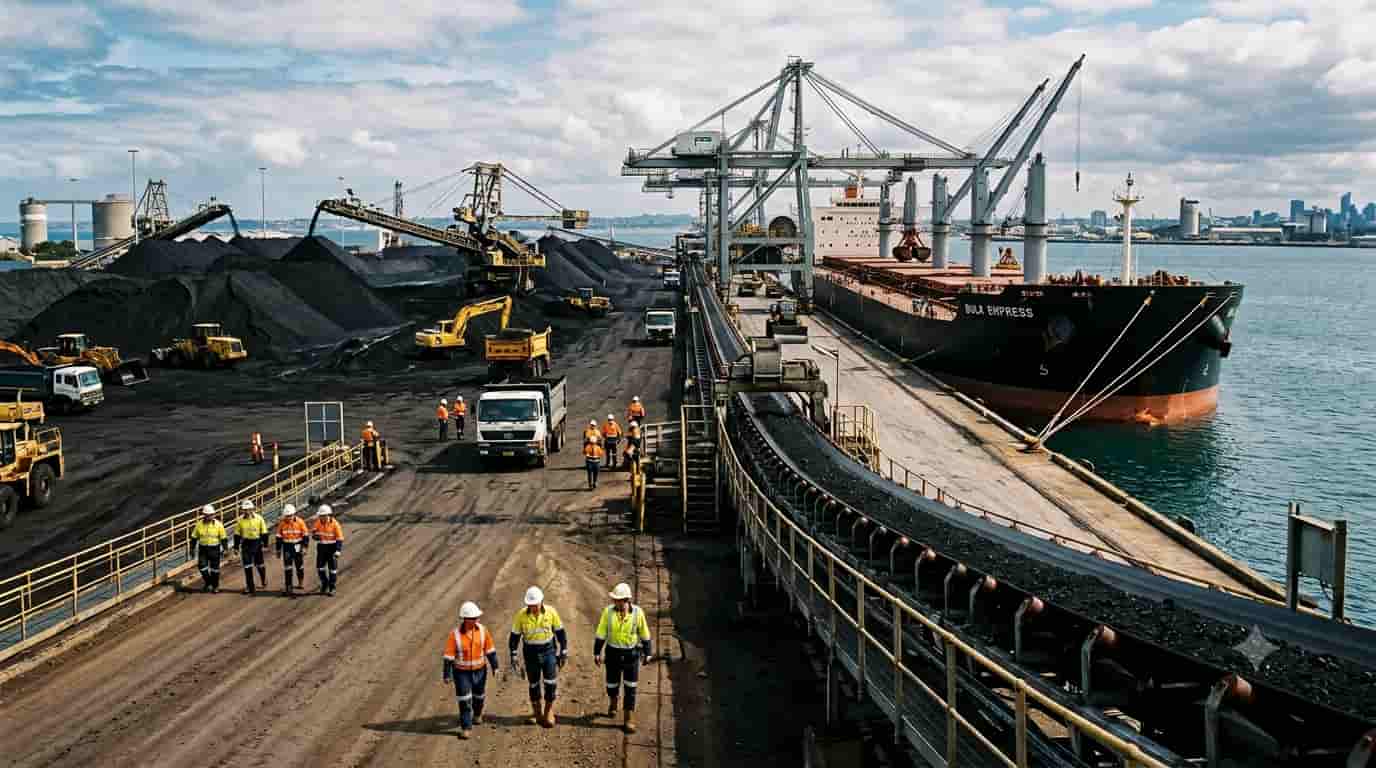
Peak power demand crossed historic highs during recent summers, forcing utilities to increase coal-based generation despite rapid renewable energy expansion.
Cooling demand is now emerging as one of the biggest structural drivers of future electricity consumption, alongside industrialisation, urbanisation and the rise of AI-linked data infrastructure. The International Energy Agency has repeatedly warned that India could become one of the world’s largest cooling markets in coming decades, with air-conditioning demand expected to rise sharply as incomes and temperatures increase.
This is beginning to alter the logic of energy planning itself.
Instead of focusing only on annual electricity generation, policymakers and utilities are increasingly being forced to think about resilience during extreme heat periods, grid flexibility and round-the-clock power availability.
India’s renewable energy transition therefore faces a more complicated reality than simple capacity addition targets suggest.
Heat is becoming an economic risk, not just an environmental one
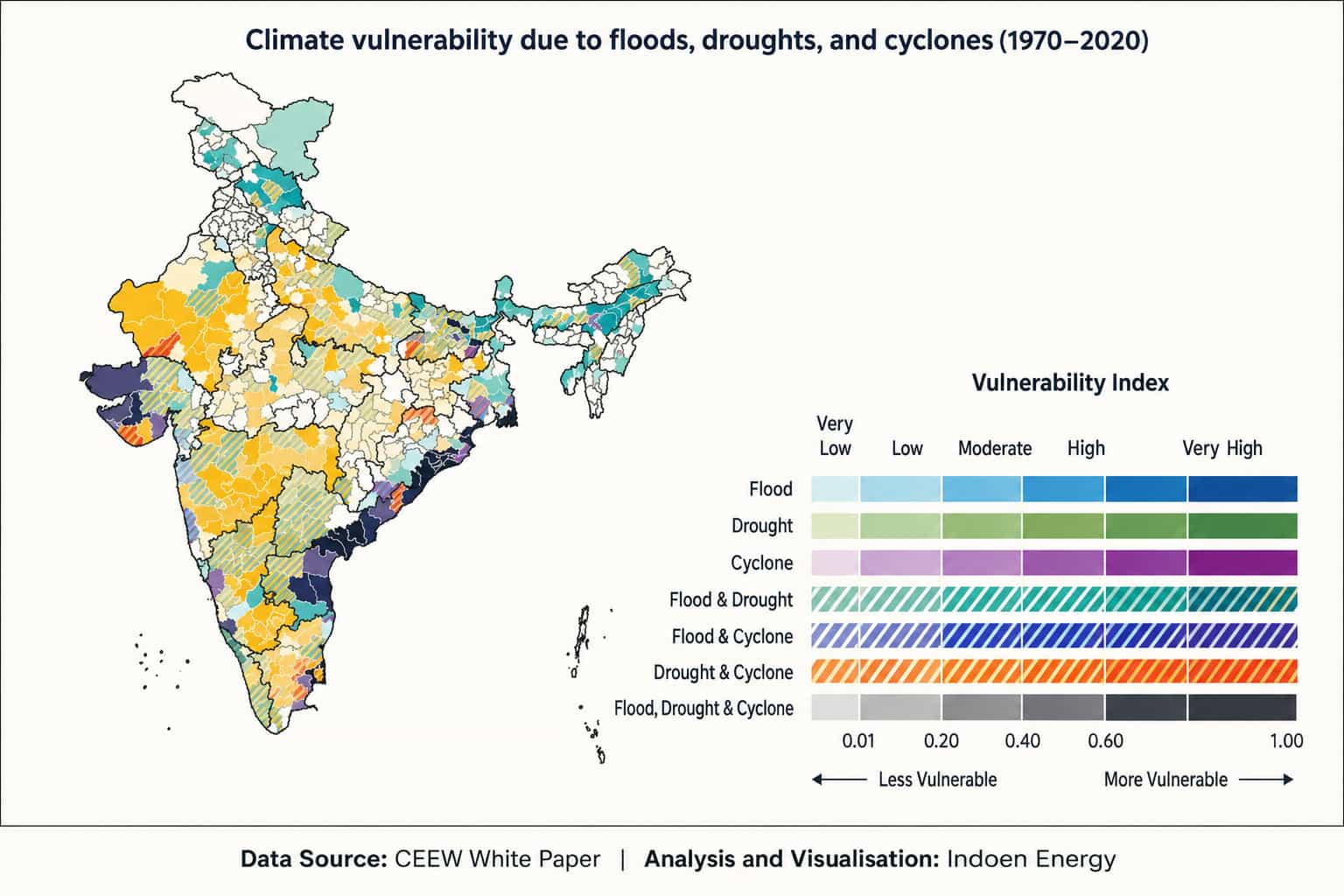
India’s adaptation challenge is becoming particularly acute in relation to heat. Researchers associated with Harvard University’s Salata Institute argue that many Indian cities remain structurally unprepared for prolonged extreme heat, especially in areas such as urban design, cooling access, labour protection and public health systems.
The risks are especially severe for informal workers, construction labourers, delivery personnel and others exposed to outdoor heat for long durations.
Increasingly, economists and industry analysts are framing extreme heat as a productivity and competitiveness issue rather than merely a public health concern. Studies globally have shown that heat exposure can reduce labour output, disrupt logistics networks and increase healthcare costs.
For a country attempting to position itself as a global manufacturing and industrial hub amid supply-chain diversification away from China, climate resilience could soon become a major economic variable.
One under-discussed risk is the possibility that recurring “wet-bulb” heat conditions — dangerous combinations of temperature and humidity — could eventually influence industrial location decisions, insurance costs, labour regulation and urban infrastructure investment across South Asia.
This represents a major shift in how climate risks are being perceived. Heat is no longer simply an environmental stress. It is becoming an industrial and macroeconomic concern.
India’s climate priorities are shifting amid global uncertainty
India’s evolving climate posture increasingly reflects these pressures.
A recent Eco-Business report noted that India is gradually recalibrating its climate priorities amid slowing international climate finance flows, geopolitical fragmentation and economic uncertainty. Policymakers are placing greater emphasis on adaptation, energy security and developmental flexibility rather than relying exclusively on mitigation-centred climate frameworks.
This shift comes at a politically sensitive moment globally.
Developed economies continue to push ambitious decarbonisation agendas, but many emerging economies are becoming more vocal about the unequal burden of climate transition costs. Simultaneously, industrial policy competition between the United States, Europe and China is reshaping global clean-energy supply chains through subsidies, tariffs and strategic mineral competition.
India’s energy strategy increasingly reflects these contradictions.
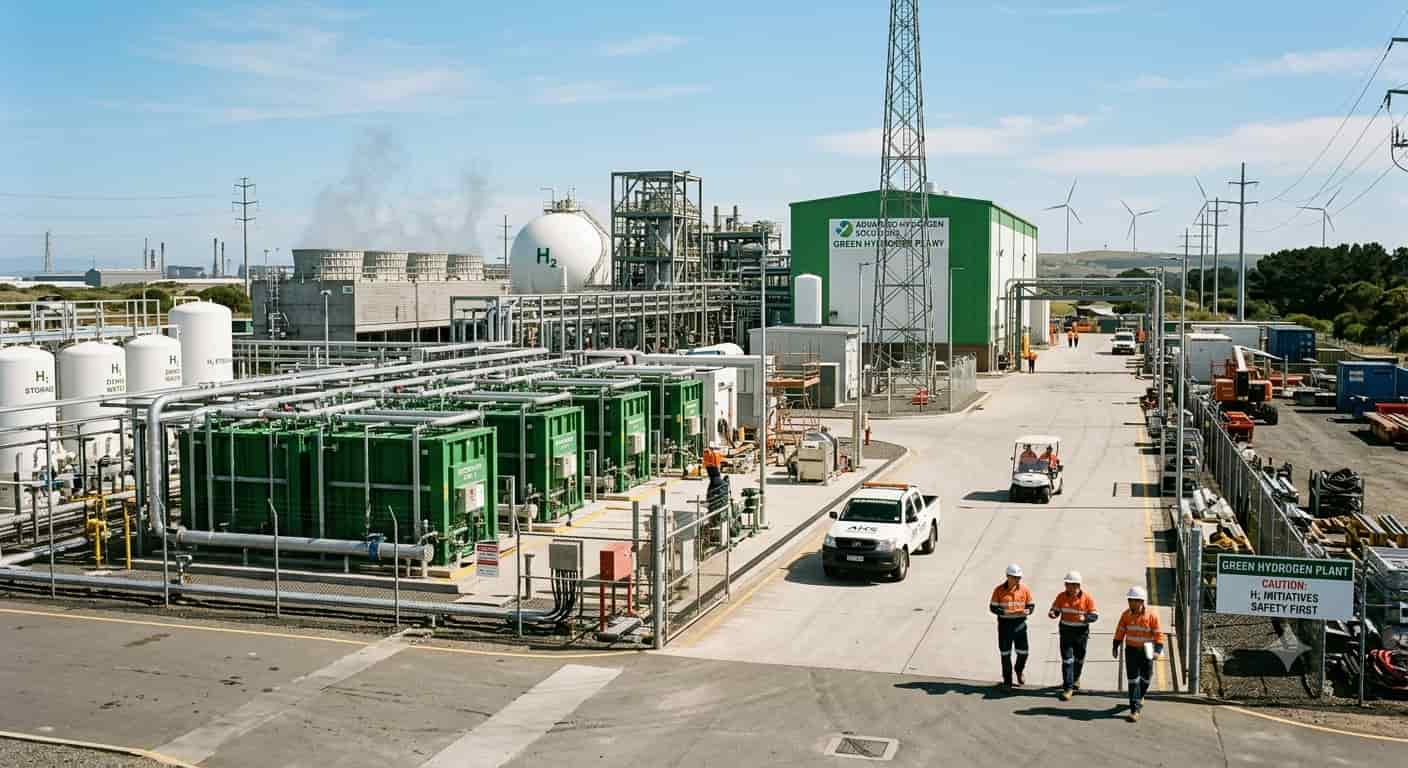
On one hand, the country continues to pursue one of the world’s largest renewable energy expansion programmes, including ambitious solar, wind and storage targets. On the other, policymakers remain cautious about moving too rapidly away from coal due to energy security concerns and the need to maintain affordable electricity access.
This balancing act is becoming harder as climate impacts intensify.
The hidden disruption: Climate change is altering India’s economic calendar
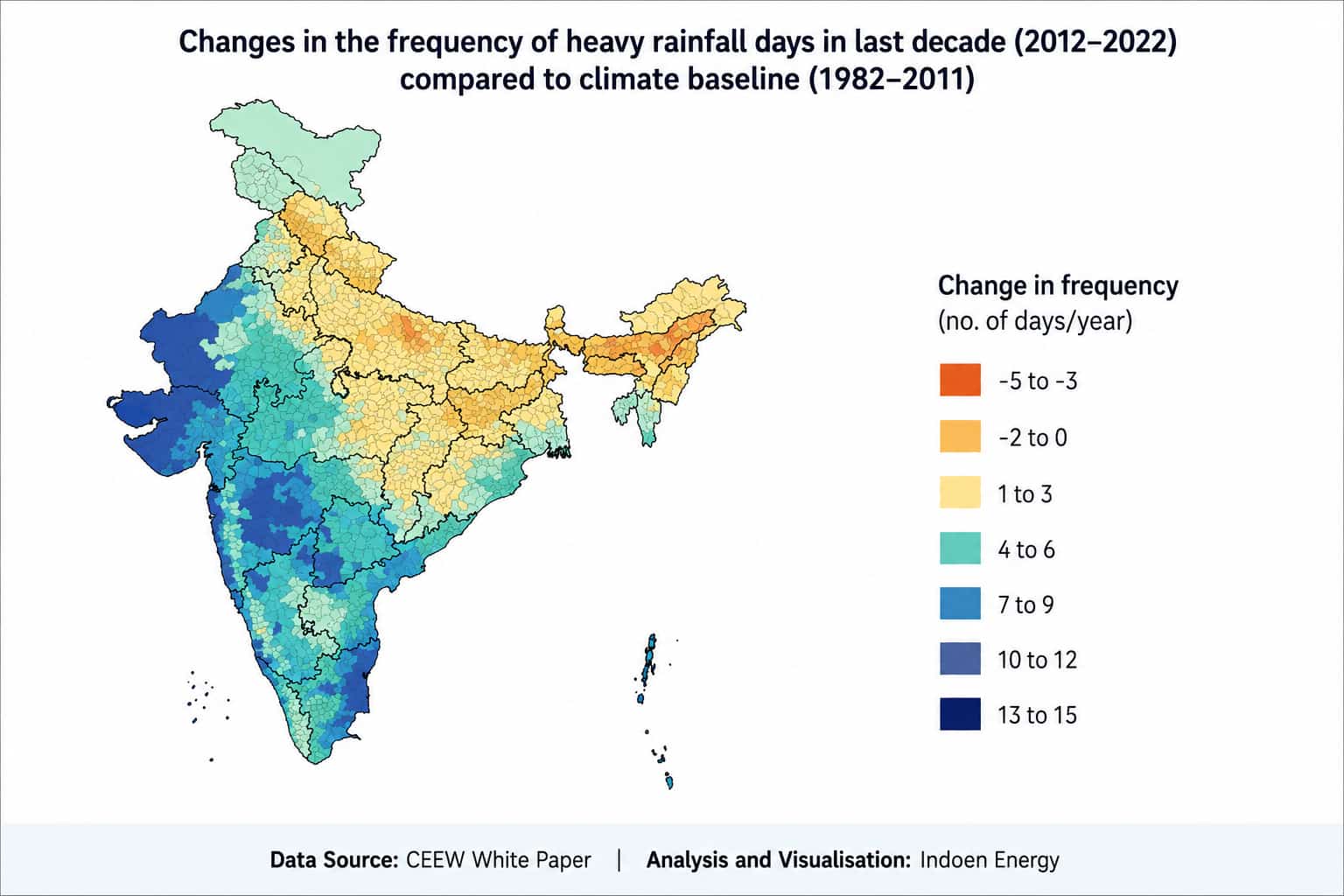
Some of the most significant climate disruptions may not come from disasters alone, but from the growing breakdown of seasonal predictability itself.
Reports from rural India suggest delayed rains, erratic monsoons and temperature irregularities are beginning to affect crop cycles and traditional agricultural rhythms. A recent Deutsche Welle report documented how climate disruptions are affecting harvest timing and agricultural festivals linked closely to seasonal farming patterns.
Separately, India Water Portal highlighted concerns over delayed monsoons and the implications for water availability, irrigation systems and food security.
More broadly, climate volatility may be destabilising India’s long-standing seasonal economic patterns — affecting everything from sowing cycles and food inflation to labour migration and water planning.
That may ultimately prove more economically disruptive than isolated extreme-weather events.
Food price volatility has already become politically sensitive globally, contributing to inflationary pressures across multiple economies. In India, where food remains a major component of household expenditure, climate-linked agricultural disruption could increasingly influence welfare spending, monetary policy and electoral politics.
Water stress is emerging as the next energy challenge
Water stress is adding another layer of complexity to India’s climate challenge.
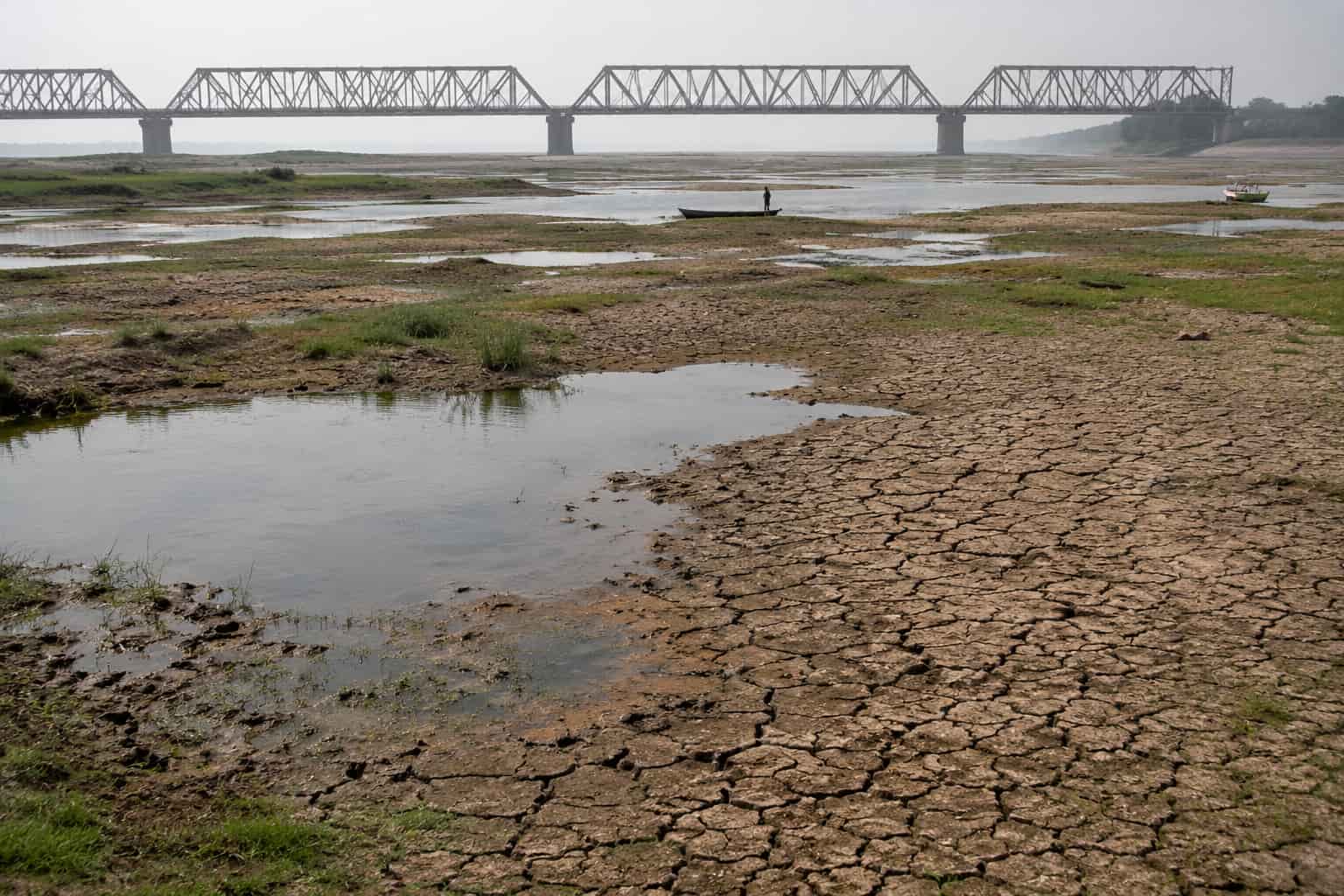
Erratic monsoon behaviour and changing rainfall distribution are raising concerns over long-term water availability and irrigation reliability. This has major implications for the energy sector itself.
Thermal power plants require substantial water resources for cooling, while hydropower generation depends heavily on rainfall patterns and reservoir stability. At the same time, rising temperatures increase electricity demand precisely when water shortages become more severe.
This ‘water-energy-climate nexus’ is emerging as one of the defining infrastructure challenges of the coming decade.
Globally, similar patterns are becoming visible across climate-vulnerable regions. Several countries in the Middle East and Africa are increasingly linking energy planning with desalination, cooling infrastructure and water-security investments.
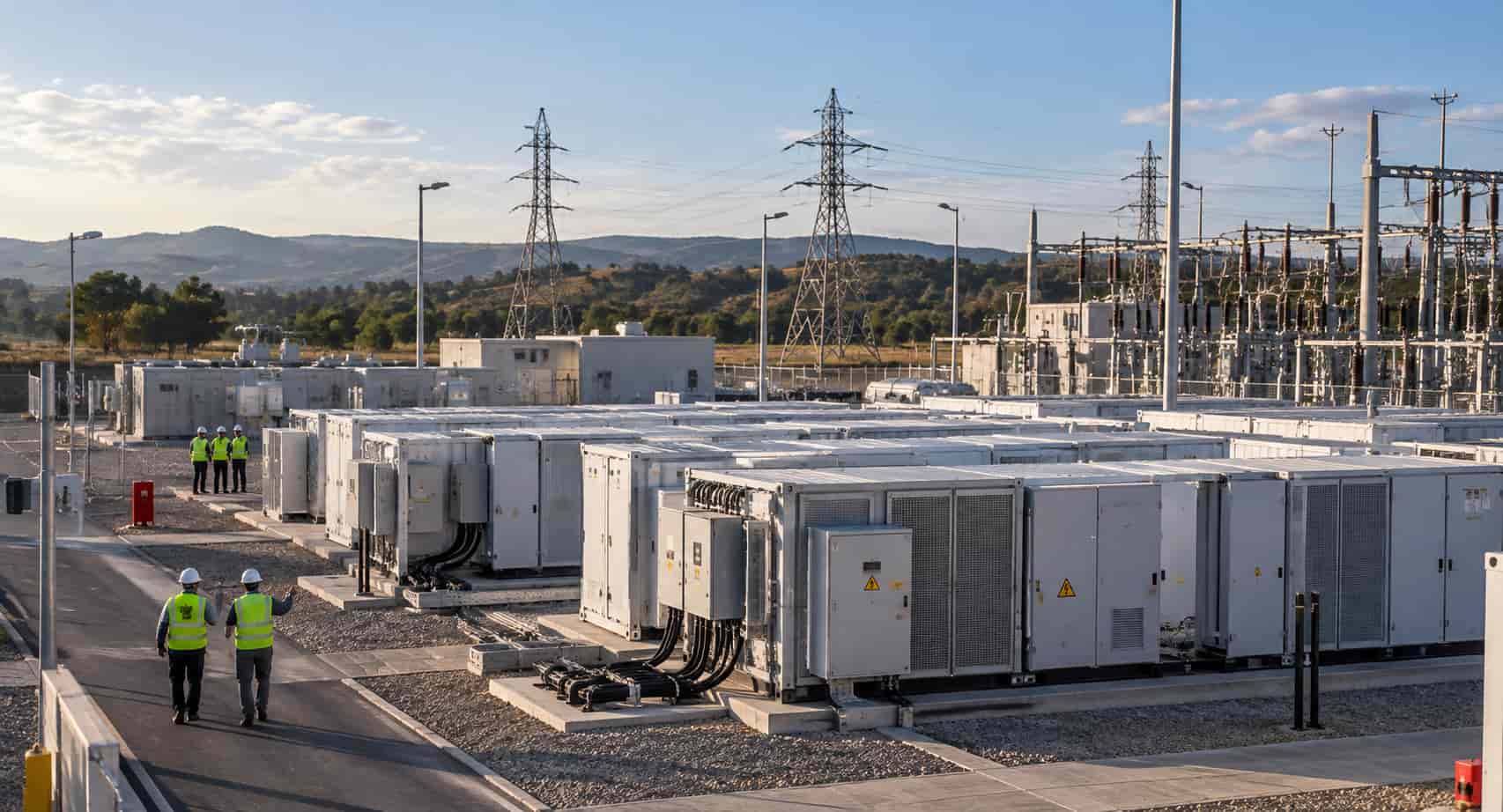
In India, industry observers increasingly believe climate pressures could accelerate investment in battery storage, decentralised renewable systems, smart grids and water-efficient infrastructure.
Why climate awareness is not automatically translating into action
Another important shift is taking place in public psychology around climate change.
An opinion piece in The Indian Express argued recently that although climate awareness among India’s Gen Z is increasing, it is often failing to translate into sustained behavioural or political action.
Researchers studying climate communication say this reflects a broader global challenge. Yale Climate Connections noted that communication around extreme weather frequently struggles against political fatigue, economic anxiety and psychological distance.
This creates a paradox. Climate change is becoming increasingly visible through lived experience, yet societies often continue to respond slowly because the political, financial and institutional systems needed for adaptation remain fragmented.
When climate anxiety enters culture and memory
Climate change is also beginning to appear in places where policy debates rarely look: oral traditions and cultural memory.
A Scroll report documented how women’s work songs in drought-prone parts of India increasingly reflect anxiety over uncertain rainfall and ecological instability.
The significance goes beyond folklore itself.
Climate instability is gradually becoming embedded within everyday social experience, labour patterns and collective memory. In many ways, this may represent a deeper societal transition than policy announcements or international summits.
Climate change is no longer being experienced merely as scientific projection. It is becoming part of lived civilisation.
The rise of India’s climate adaptation economy
Globally, adaptation is rapidly emerging as a major investment theme.
International financial institutions estimate that developing economies could require hundreds of billions of dollars annually for adaptation-related infrastructure by the next decade. Investors are increasingly exploring opportunities linked to resilient infrastructure, cooling systems, climate insurance, water technologies and heat-resistant urban design.
For India, this could create both risks and opportunities.
Industry executives increasingly view sectors such as advanced cooling, battery storage, decentralised solar systems, smart irrigation and heat-resilient construction materials as potential long-term growth markets.
Some analysts believe India could eventually emerge as one of the world’s largest climate adaptation economies because of the scale of its urbanisation, infrastructure demand and exposure to extreme heat.
Yet major financing and implementation challenges remain.
Adaptation projects often struggle to attract private capital because their economic returns are less immediate than traditional energy investments.
Urban governance gaps, fragmented planning systems and unequal infrastructure access may further complicate resilience-building efforts.
There are also political contradictions. India continues expanding coal production while simultaneously positioning itself as a renewable-energy leader and climate diplomacy advocate.
Critics argue adaptation cannot become an excuse for delaying decarbonisation.
Still, the broader direction appears increasingly clear.
India’s climate story is no longer solely about reducing emissions or meeting international targets. It is increasingly about redesigning economic systems, infrastructure planning and energy strategies for a future defined by heat, water stress and uncertainty.
That transition may ultimately reshape not only India’s energy landscape, but also the meaning of development itself.