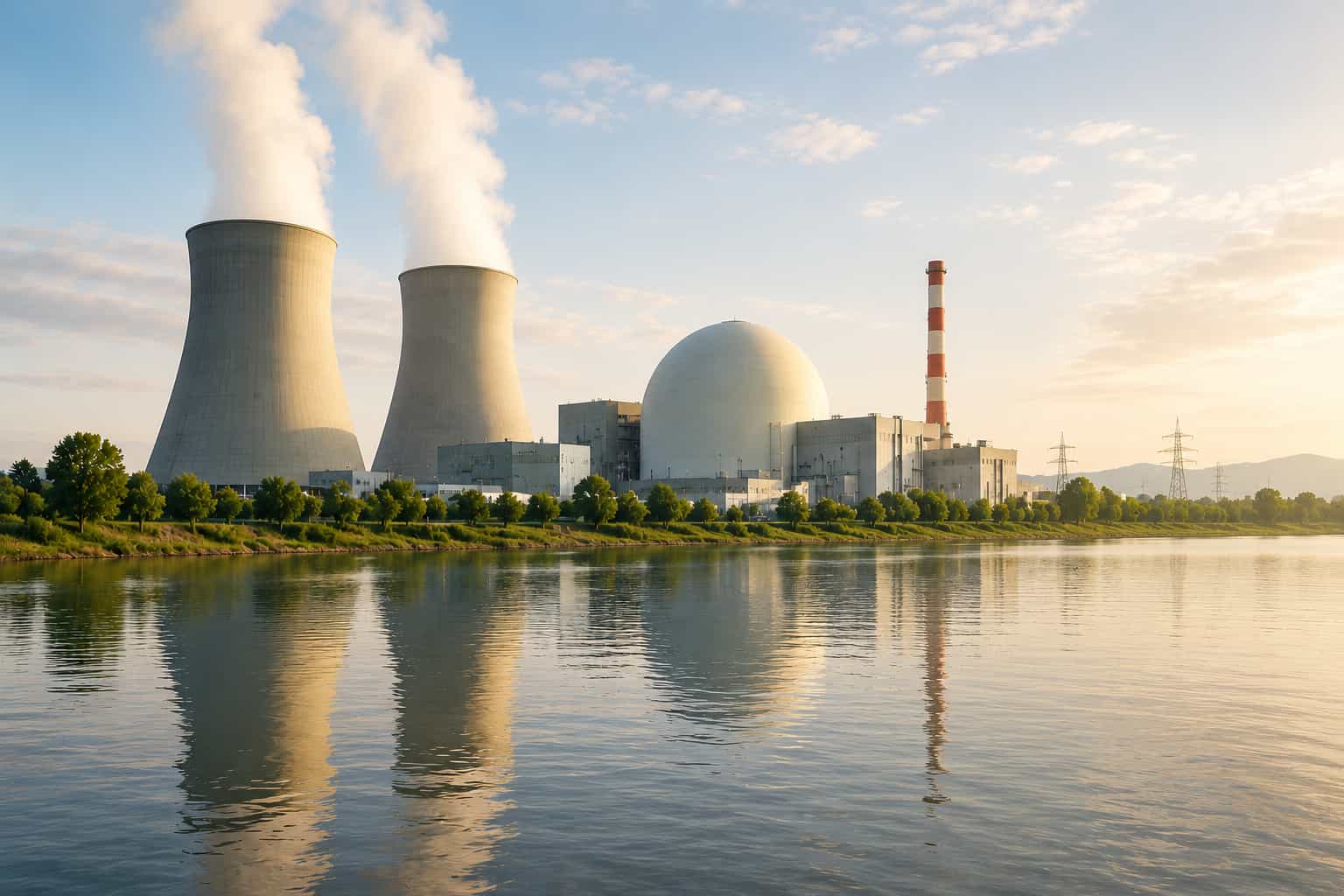

India’s nuclear sector, once confined largely to the strategic and scientific realms of the state, is beginning to undergo a transformation that could redefine the country’s long-term energy architecture.
A series of recent developments — from major approvals at the Kudankulam Nuclear Power Plant to renewed discussions around private investment, domestic fuel fabrication and global nuclear geopolitics — suggest that atomic energy is gradually moving from being a tightly guarded sovereign capability to becoming a commercially significant pillar of India’s future energy strategy.
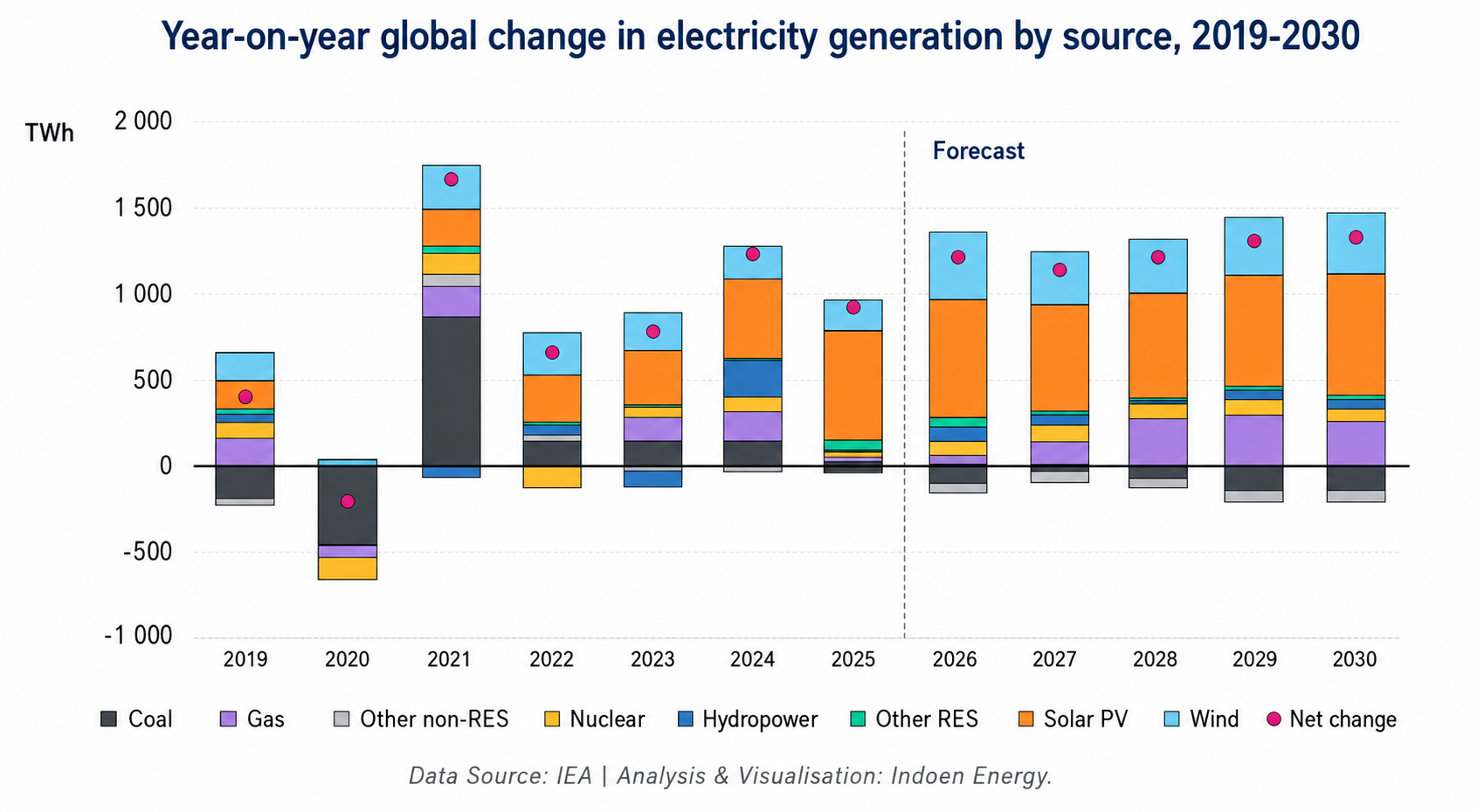
The shift comes at a moment when the global energy debate itself is changing rapidly. For nearly a decade, renewable energy dominated climate and energy-transition discussions. Solar and wind became the primary symbols of decarbonisation. But the explosive rise of artificial intelligence infrastructure, the electrification of transport and manufacturing, growing concerns about grid stability, and geopolitical disruptions in fossil fuel supply chains are now forcing policymakers worldwide to reconsider the importance of stable baseload electricity. Nuclear power is once again entering mainstream strategic thinking.
India’s latest moves indicate that New Delhi does not want to be left behind in this emerging global recalibration.
 Kudankulam becomes the symbol of expansion
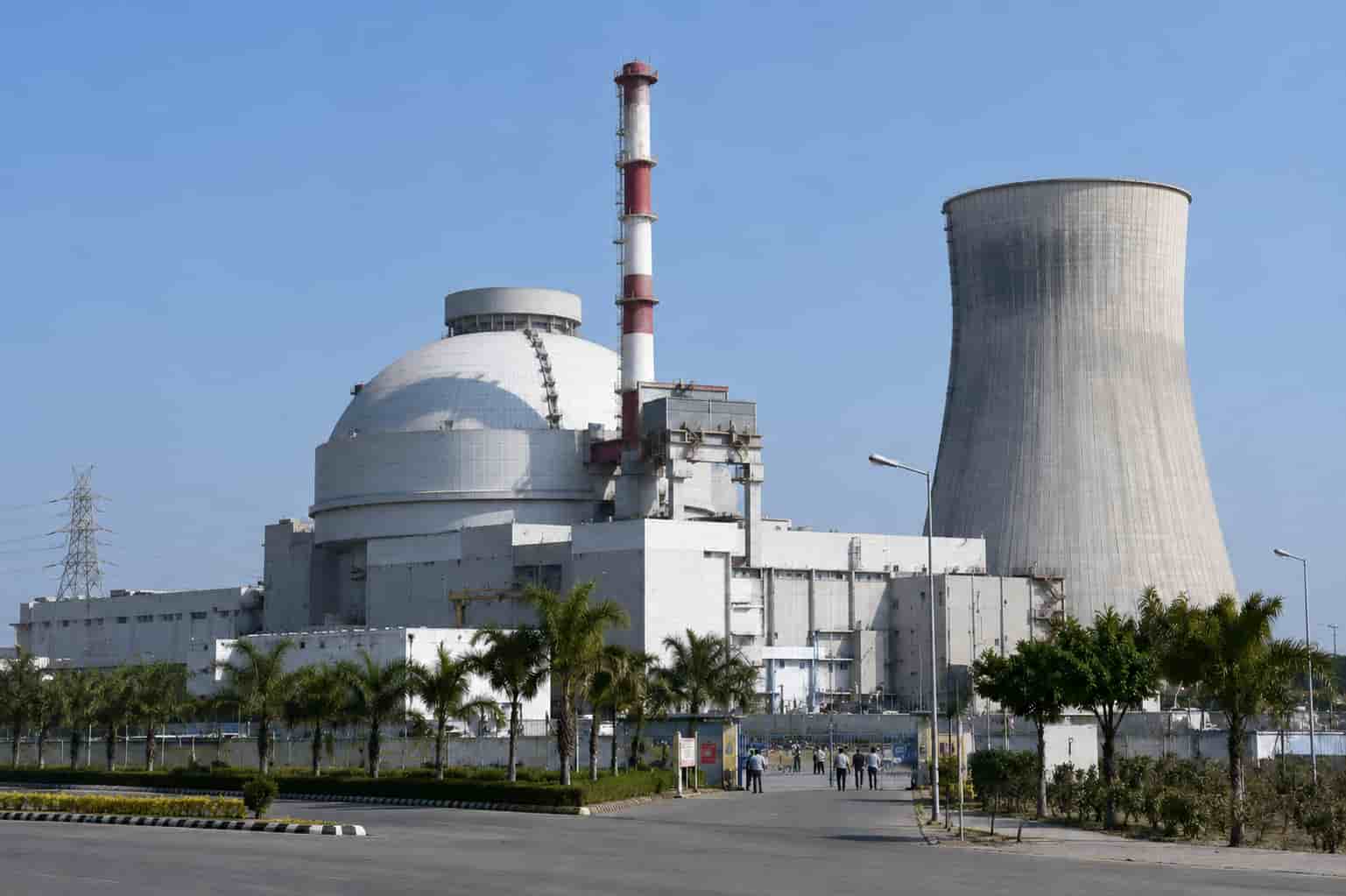
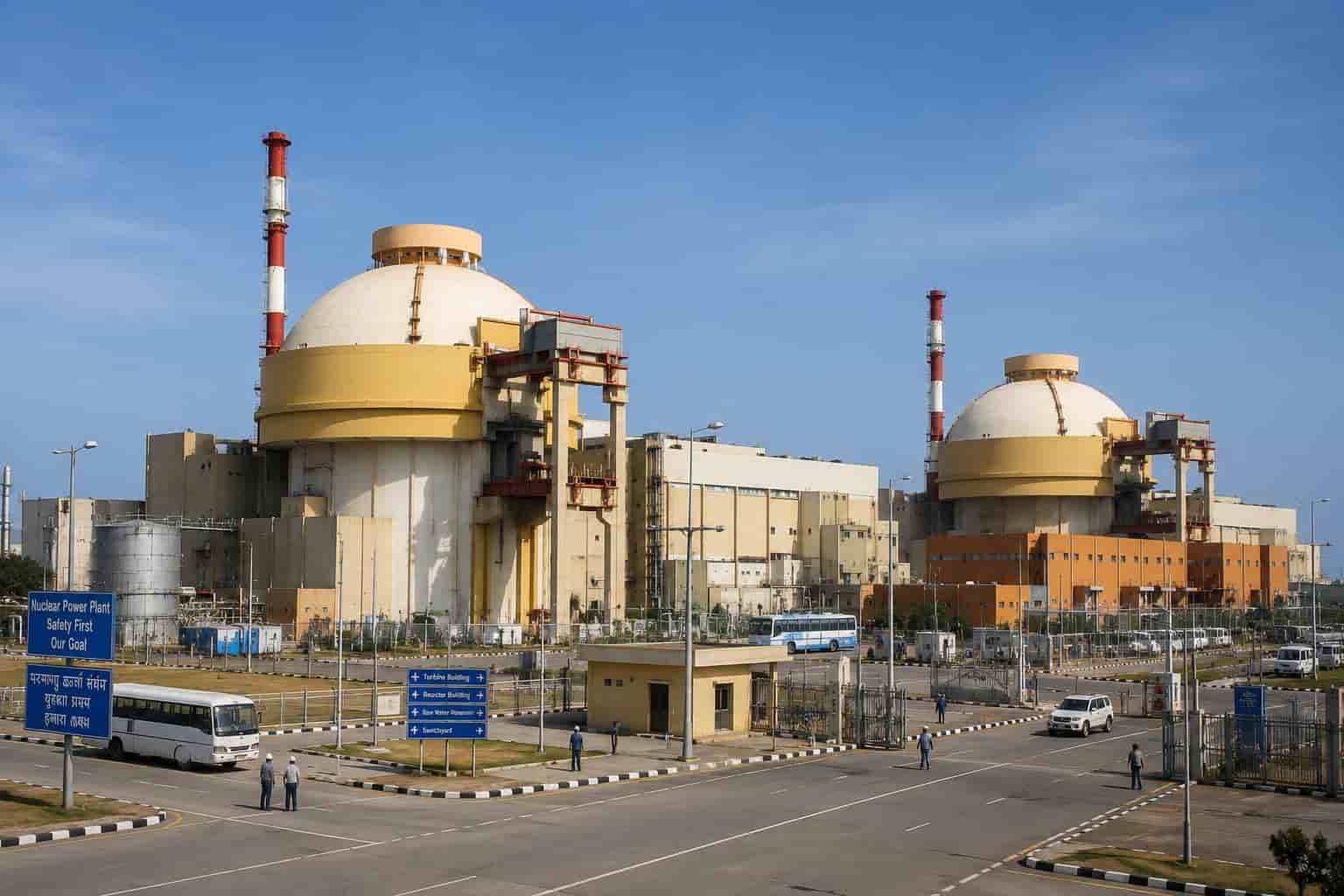
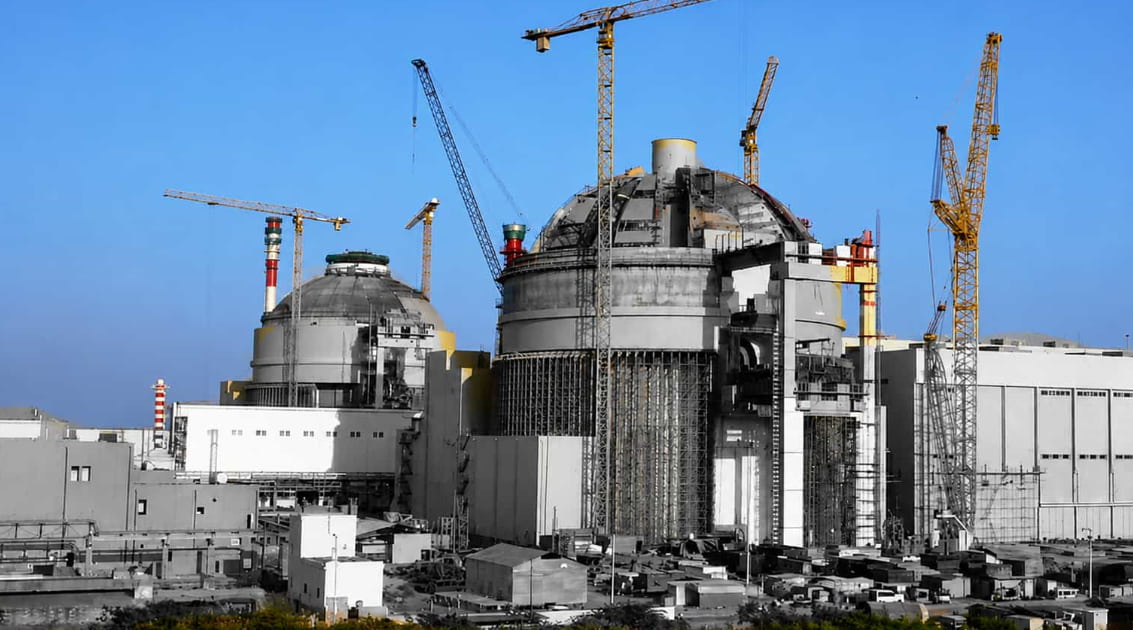
The clearest sign of momentum came when the Atomic Energy Regulatory Board granted approval for the installation of major equipment for Units 5 and 6 of the Kudankulam nuclear project in Tamil Nadu. The approval included key reactor systems and marked another milestone in India’s largest nuclear power complex.
Around the same time, massive reactor enclosure components manufactured in Hazira were flagged off for transportation to the project site, underlining the increasing scale and sophistication of India’s domestic nuclear engineering ecosystem.
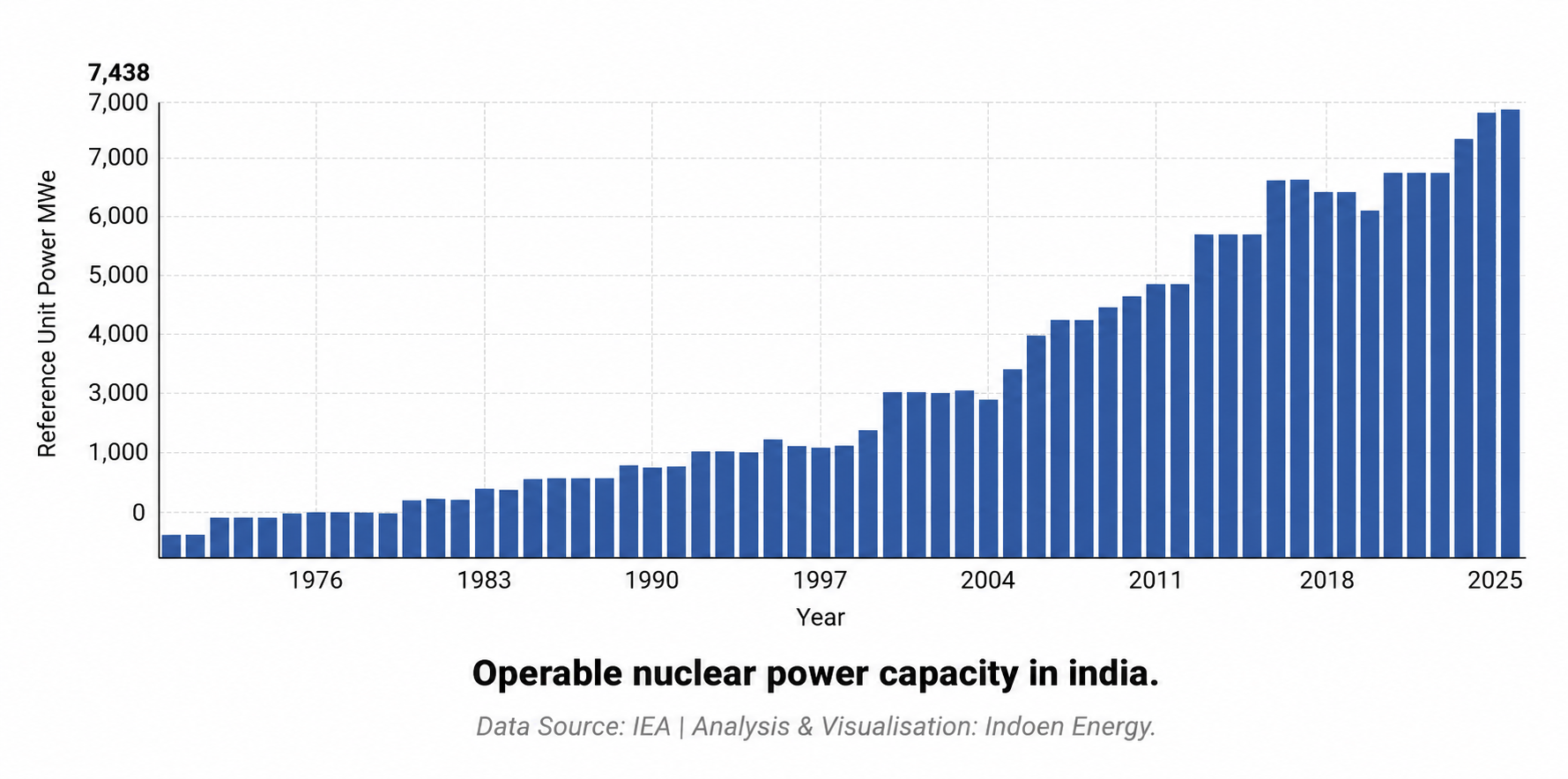
At first glance, these developments may appear to be routine infrastructure announcements. But taken together, they point towards a much broader pattern. India is slowly constructing the industrial, regulatory and political foundations necessary for a substantial nuclear expansion over the coming decades.
The urgency behind this shift is becoming increasingly visible. India’s electricity demand is rising at one of the fastest rates in the world. Peak power demand has already crossed 250 GW, and analysts expect demand to accelerate sharply due to urbanisation, air-conditioning growth, electric mobility, industrial expansion and the rapid rise of data centres. Artificial intelligence infrastructure, in particular, is emerging as a major electricity consumer globally. Large-scale AI computing requires uninterrupted power supplies that intermittent renewable systems may struggle to provide without massive storage investments.
AI and the return of baseload power
This changing energy reality is reviving global interest in nuclear power. Technology firms and industrial economies are increasingly discussing atomic energy not merely as a climate solution, but as a strategic necessity for digital-age infrastructure. Recent international discussions have highlighted how AI-linked electricity demand could dramatically reshape future power systems, especially in countries seeking both decarbonisation and industrial competitiveness.
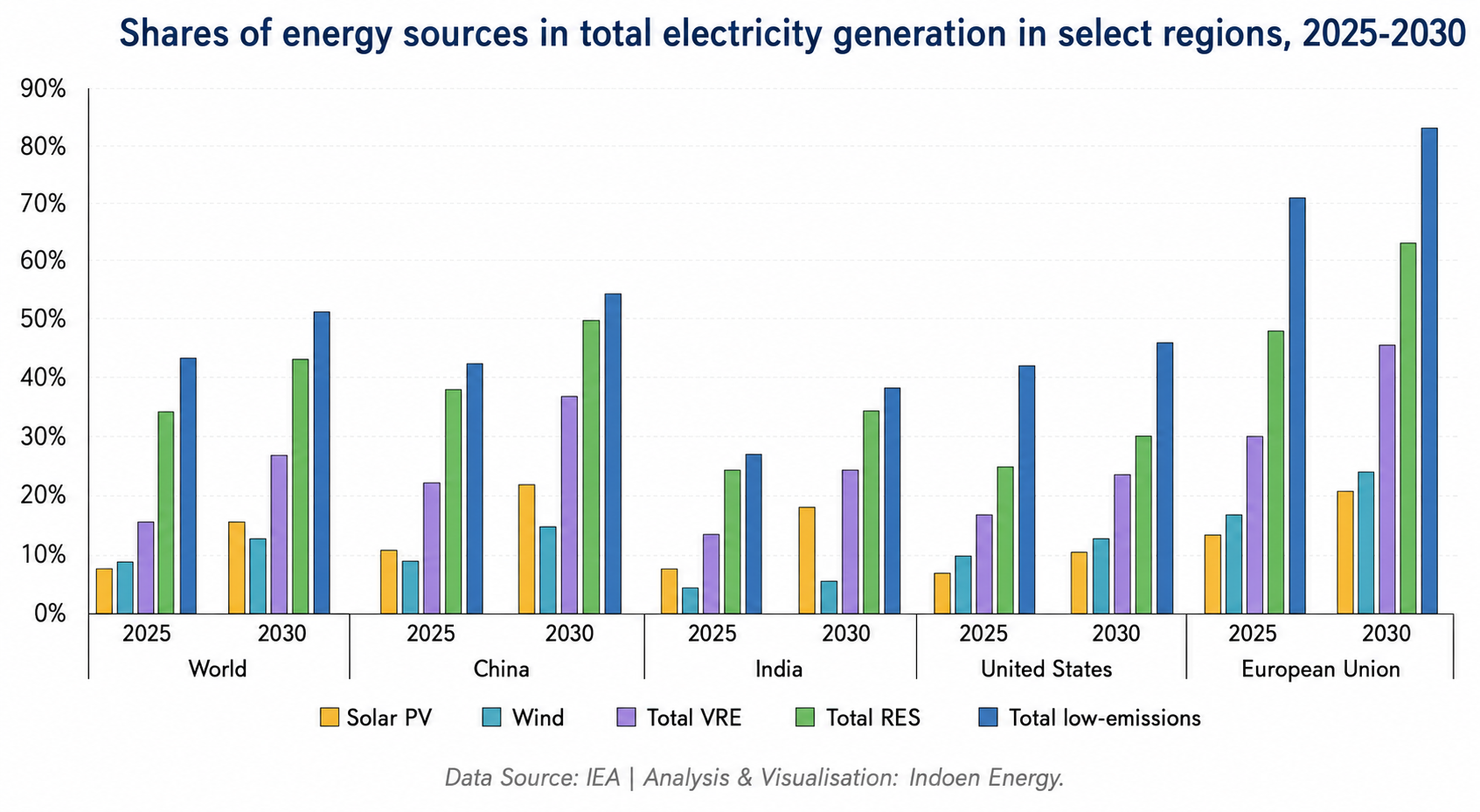
India’s policymakers increasingly appear to recognise this challenge. While the country has become one of the world’s fastest-growing renewable-energy markets, there is growing acknowledgement within policy and industry circles that solar and wind alone may not be sufficient to support round-the-clock industrial electricity demand in the future. The emerging consensus is not necessarily anti-renewable; rather, it reflects a belief that nuclear energy may be needed alongside renewables to provide stable low-carbon baseload power.
That represents a significant shift in India’s energy thinking.
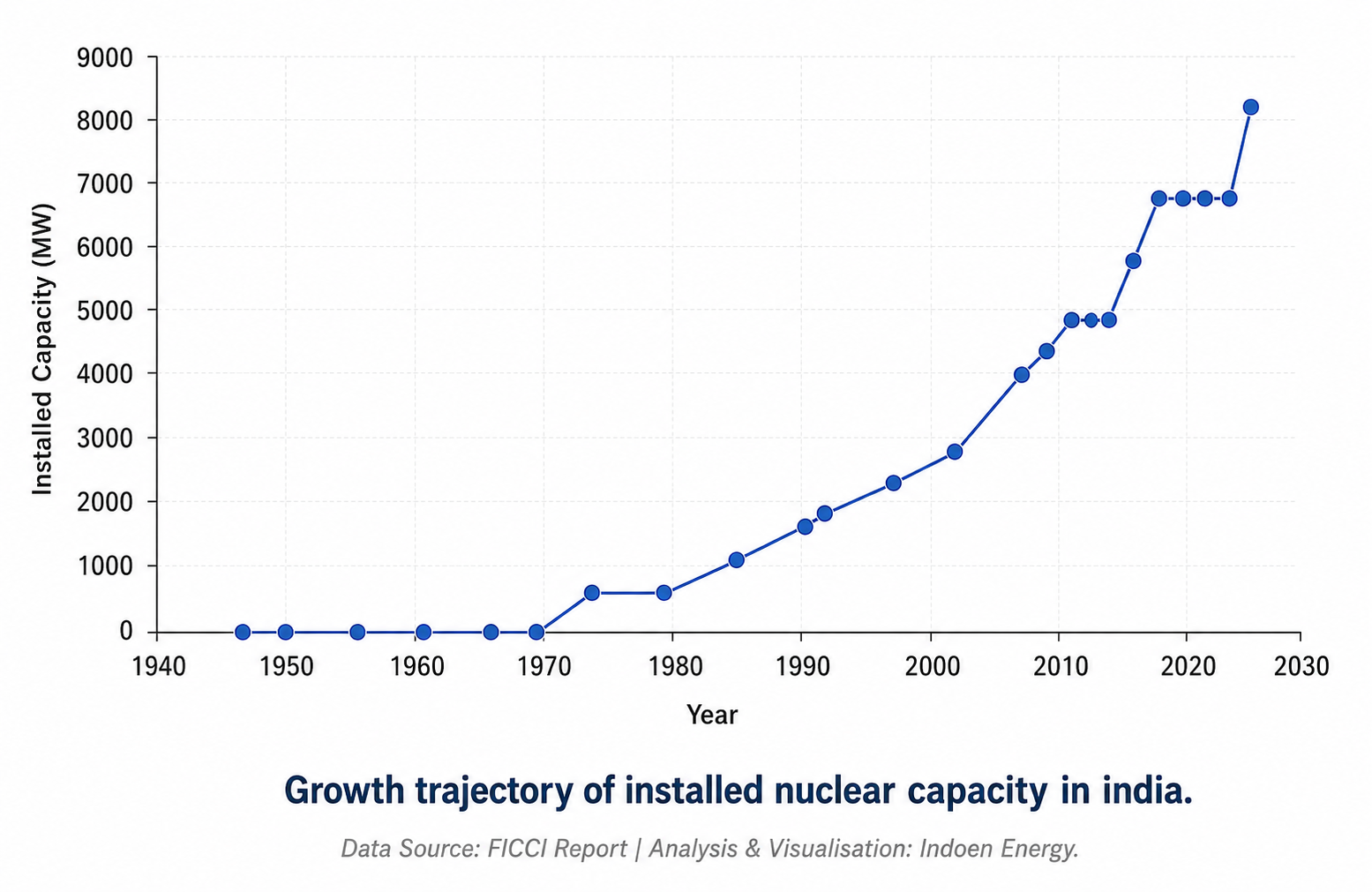
For decades, India’s nuclear programme was treated primarily as a strategic and scientific mission led by the state. Commercial scalability often remained secondary. But recent developments suggest that the government is now trying to integrate nuclear energy more deeply into the country’s broader industrial and economic ambitions.
 Building the domestic nuclear ecosystem
One important indicator of this transition is the expansion of domestic nuclear fuel infrastructure. The new nuclear fuel fabrication unit in Kota, Rajasthan, recently received operational clearance from the regulator, strengthening India’s ability to support future reactor deployments with domestic capabilities. Fuel-cycle infrastructure has historically been one of the major constraints limiting rapid nuclear expansion in India.
The expansion of nuclear manufacturing capabilities is also becoming visible in other areas. Heavy engineering firms are increasingly positioning themselves within the supply chain for reactor components, transport systems and specialised fabrication. Industry observers believe nuclear infrastructure development could eventually create a broader manufacturing ecosystem comparable to the growth seen in solar-module production and transmission infrastructure over the last decade.
Several Indian conglomerates are already exploring long-term opportunities linked to atomic energy. Discussions around possible future private participation have intensified after reports that global and domestic firms are closely tracking potential policy reforms in the sector.
 The private capital debate returns
The possibility of greater private-sector participation marks one of the most consequential dimensions of India’s evolving nuclear strategy. For years, foreign nuclear suppliers and private investors remained cautious because of liability-related concerns associated with India’s nuclear laws. The debate intensified after Fukushima, with many global firms arguing that supplier liability provisions created commercially unpredictable risks.
Now, renewed discussions around the SHANTI framework and related reforms are reviving hopes that India may gradually create a more investment-friendly structure while retaining strategic oversight. International firms are reportedly watching developments closely, particularly as India attempts to scale its long-term clean-energy infrastructure.
“The government appears to be looking at nuclear energy not only from a strategic lens but increasingly from an economic and industrial perspective,” said an executive at a Mumbai-based energy consultancy with knowledge of ongoing industry discussions. “The question now is whether India can accelerate nuclear deployment without compromising the culture of safety and public accountability that such a sector demands.”
That concern remains central to the global nuclear debate.
While support for atomic energy is rising again internationally, scepticism has hardly disappeared. Nuclear projects continue to face concerns over cost overruns, long construction timelines, waste management and accident risks. Critics argue that rapidly falling battery-storage costs could eventually make renewable-heavy systems more economical than nuclear expansion. Others warn that opening the sector too aggressively to private commercial interests may dilute long-standing safety cultures.
Nuclear geopolitics and Russia’s continuing role
The geopolitical context is pushing many governments towards reconsideration.
The Russia-Ukraine conflict exposed vulnerabilities associated with excessive dependence on fossil-fuel imports. Europe’s energy crisis highlighted the importance of domestic and stable electricity generation. In response, multiple countries have revived or expanded nuclear plans. China is rapidly scaling reactor construction. France continues to rely heavily on atomic power. Britain is investing in small modular reactor technologies. Japan, despite Fukushima, has gradually restarted sections of its nuclear fleet.
India’s own nuclear trajectory is also deeply intertwined with geopolitics. Russia remains one of the most important partners in the country’s civil nuclear programme through the Kudankulam project. The latest approvals for Units 5 and 6 reinforce Moscow’s continuing role in India’s atomic-energy expansion. Nuclear partnerships typically create decades-long technological and fuel dependencies, making them strategically different from ordinary infrastructure agreements.
This raises important questions for India as it simultaneously deepens ties with Western economies, expands renewable deployment and pursues greater manufacturing self-reliance. Managing diverse nuclear partnerships while preserving strategic autonomy could become one of the defining challenges of India’s long-term energy diplomacy.
The long-term energy security argument
Supporters of India’s nuclear ambitions also increasingly point towards the country’s vast thorium reserves and long-term breeder-reactor ambitions as potential game changers. Some analysts argue that if India successfully advances its three-stage nuclear programme over the coming decades, the country could unlock far greater domestic energy security than is commonly recognised today.
Still, India’s nuclear ambitions face practical constraints. Reactor projects require enormous capital investments and long gestation periods. Financing mechanisms remain uncertain. Public resistance could intensify in environmentally sensitive regions. Small modular reactors, often promoted as the next phase of nuclear innovation, are still commercially immature in most global markets.
Nevertheless, the broader direction of India’s energy thinking appears increasingly evident.
Nuclear power is gradually moving beyond its historical identity as a sovereign scientific enterprise and becoming part of a much wider conversation involving industrial growth, AI-era electricity demand, energy security and geopolitical resilience.
The recent approvals at Kudankulam, the expansion of domestic fuel infrastructure, discussions around private participation and the growing global return to atomic energy all suggest that India may be entering a new phase in its energy transition.
For decades, the country’s nuclear sector symbolised technological sovereignty and strategic capability. In the years ahead, it may also become one of the defining commercial pillars supporting India’s industrial and digital economy.
If that transformation succeeds, the current developments may eventually be remembered not merely as isolated policy or regulatory milestones, but as the early foundations of India’s larger nuclear reset.