
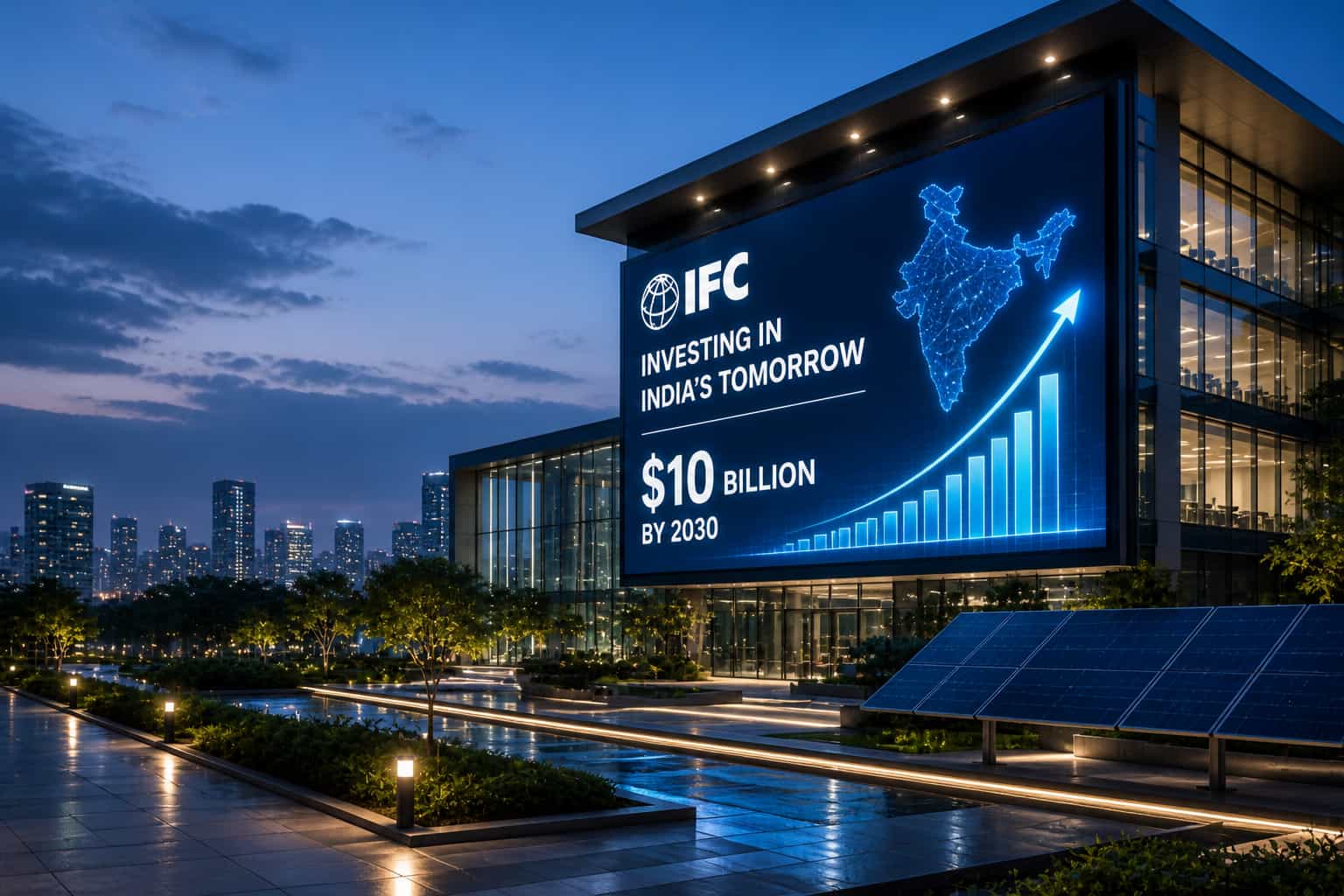

The International Finance Corporation (IFC), the private sector arm of the World Bank Group, is planning to scale up its annual investments in India to $10 billion by 2030, signalling a deepening of global capital flows into one of its fastest-growing markets.
The move would mark a sharp increase from IFC’s recent investment levels, with commitments in India already rising significantly over the past few years. India has emerged as one of IFC’s key destinations globally, driven by its expanding infrastructure needs, energy transition ambitions, and rapidly evolving financial ecosystem.
Strategic focus areas
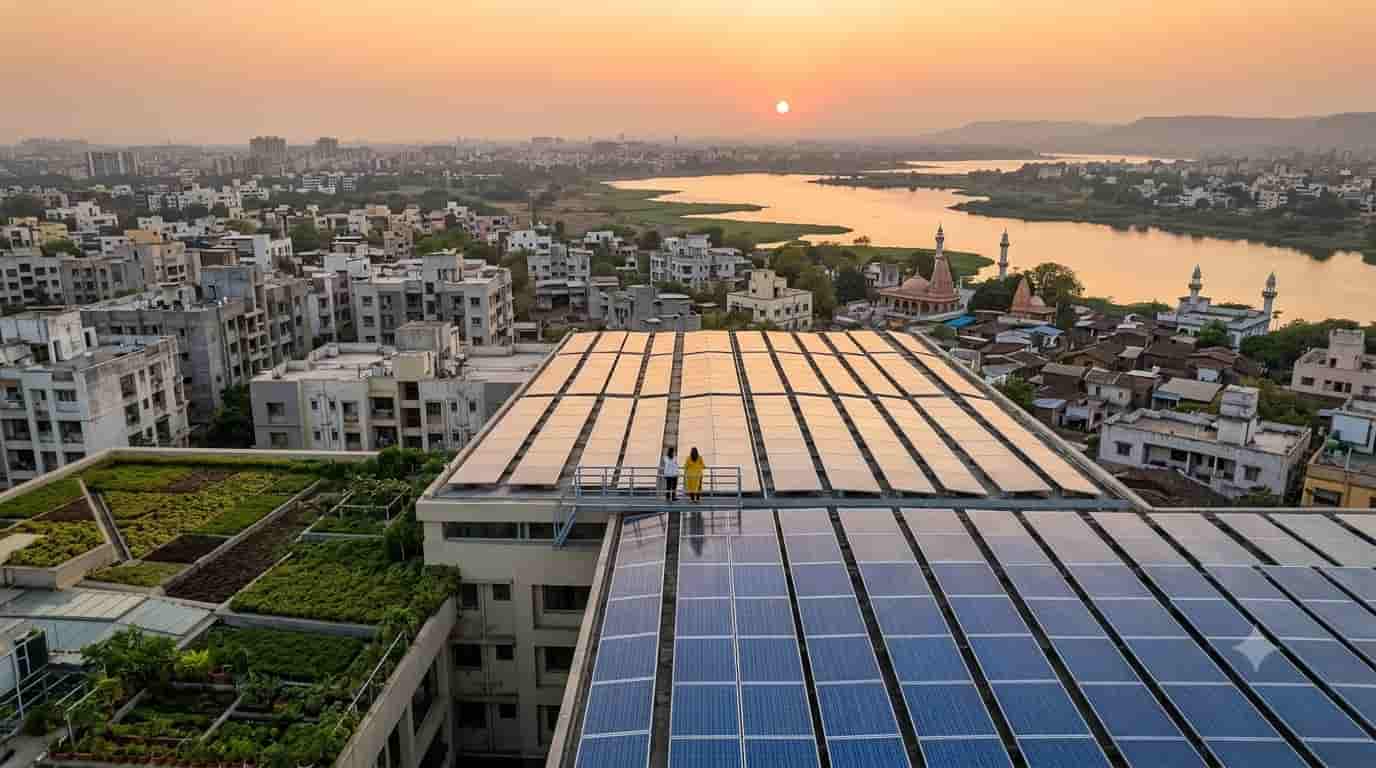
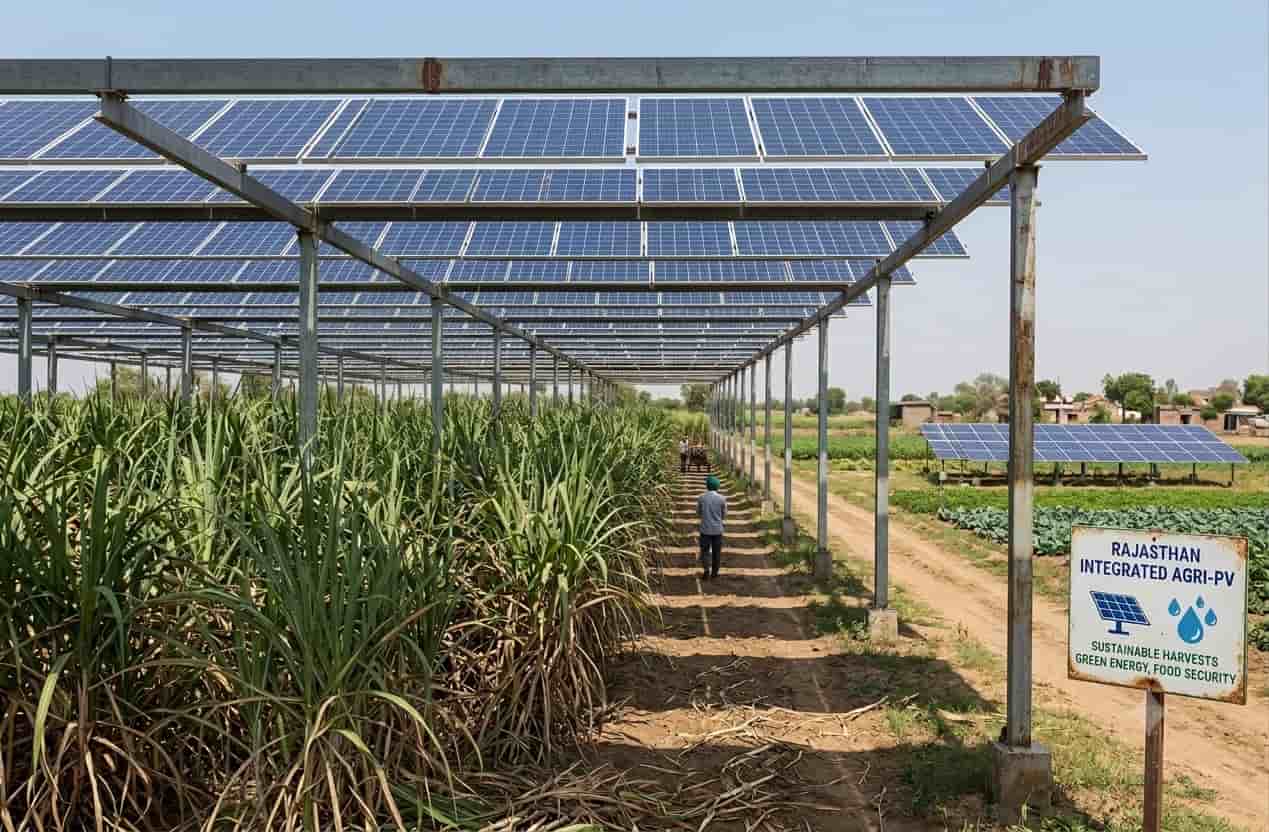
The planned scale-up is expected to focus on sectors central to India’s long-term growth trajectory: renewable energy and climate finance, aligned with India’s decarbonisation goals; urban infrastructure, including sustainable city development and municipal financing; and financial services, particularly expanding access to capital
IFC is also exploring mechanisms such as municipal bonds and blended finance structures to mobilise private investment into urban projects—an area that remains underdeveloped but critical for India’s urban transition.
India as a capital magnet
The announcement underscores India’s increasing importance in global investment strategies, especially for development finance institutions seeking both scale and impact. With rising energy demand, rapid urbanisation and policy push towards clean energy, India presents a unique convergence of commercial opportunity and developmental need.
For IFC, expanding its India portfolio is not just about volume, but about positioning itself at the centre of financing the country’s next phase of growth—particularly in sectors where private capital has traditionally been hesitant.
Broader implications
The proposed investment ramp-up comes at a time when India is seeking large-scale funding to meet its energy transition targets and infrastructure demands. Institutions like IFC are expected to play a catalytic role by: de-risking investments; attracting private sector participation; and supporting policy-linked financing ecosystems.
However, the growing presence of global development finance also raises questions around capital priorities, governance frameworks and the balance between public interest and private returns—issues that are likely to shape the next phase of India’s infrastructure and energy financing landscape.
Cover image: AI-generated (representative)