


Coal India Limited (CIL) is preparing a comprehensive 10-year roadmap (2026–2036) to potentially eliminate up to 243 million tonnes of coal imports by structurally strengthening domestic supply chains. The plan marks a shift from short-term substitution to a systems-level overhaul of India’s coal ecosystem.
At the core of the strategy is a detailed, sector-wise audit of coal imports—covering power, steel, cement and other industries—to identify where domestic coal can realistically replace imported grades. The roadmap proposes phased substitution targets aligned with end-use requirements, particularly for non-power sectors that depend on higher-grade coal.
A key pillar is the creation of a National Washery & Logistics Grid, aimed at upgrading coal quality through beneficiation while streamlining evacuation and transport. By improving washed coal output and blending capabilities, CIL seeks to bridge the quality gap between domestic and imported coal—one of the main drivers of imports.
On the supply side, CIL is targeting production of around 1 billion tonnes by FY29, supported by new mining projects, capacity expansion, and improved operational efficiency. Simultaneously, the company is focusing on reducing the delivered cost of domestic coal to make it competitive with imports, particularly in coastal and industrial clusters.
The roadmap also aligns with broader policy objectives, including reducing foreign exchange outflows, enhancing energy security, and supporting initiatives such as coal gasification and import substitution in core industries.
While ambitious, the plan implicitly acknowledges structural constraints—quality mismatches, logistics bottlenecks and sector-specific dependencies—that will determine how far import reduction can realistically go.
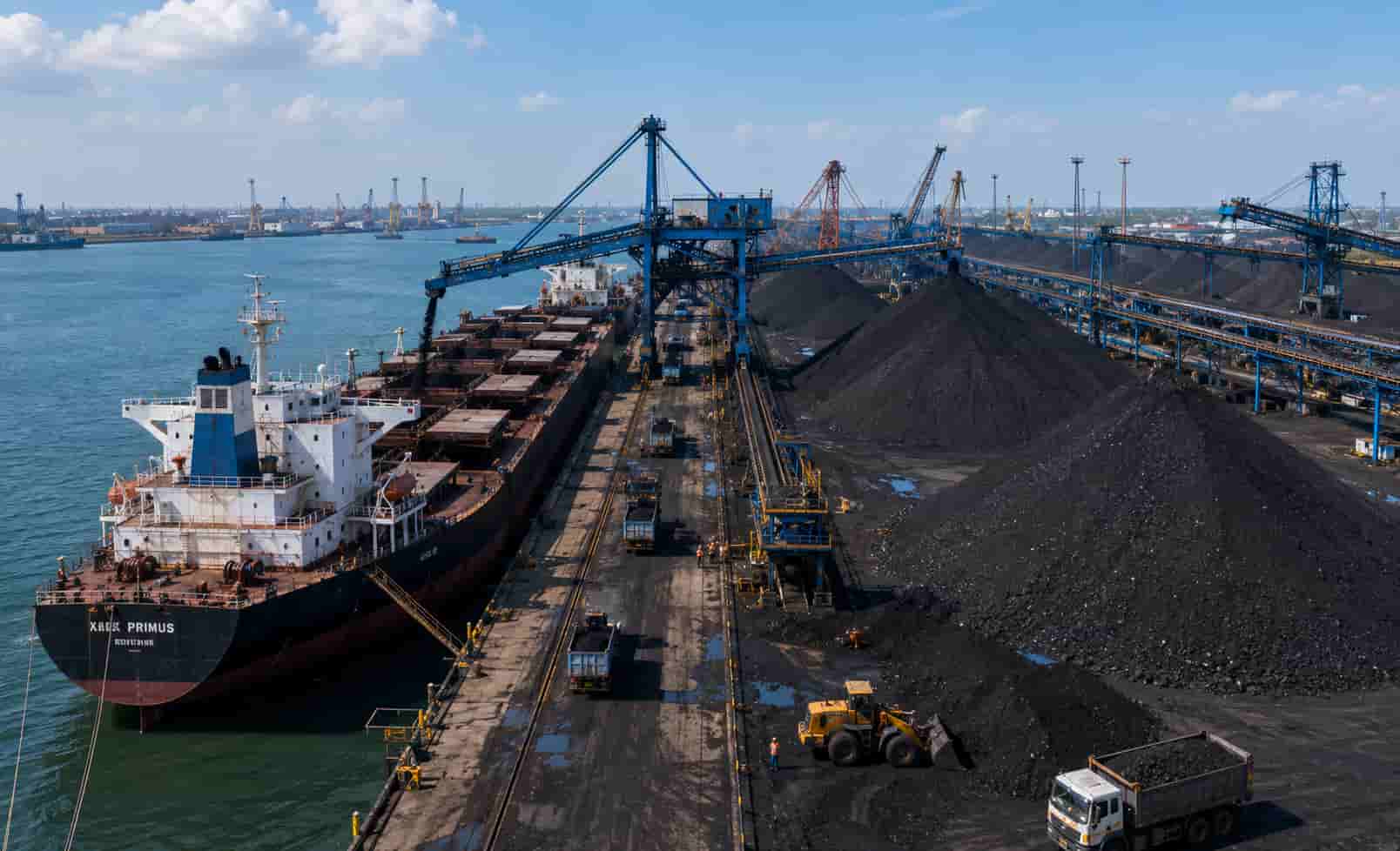
Cover image: AI-generated (representative)