
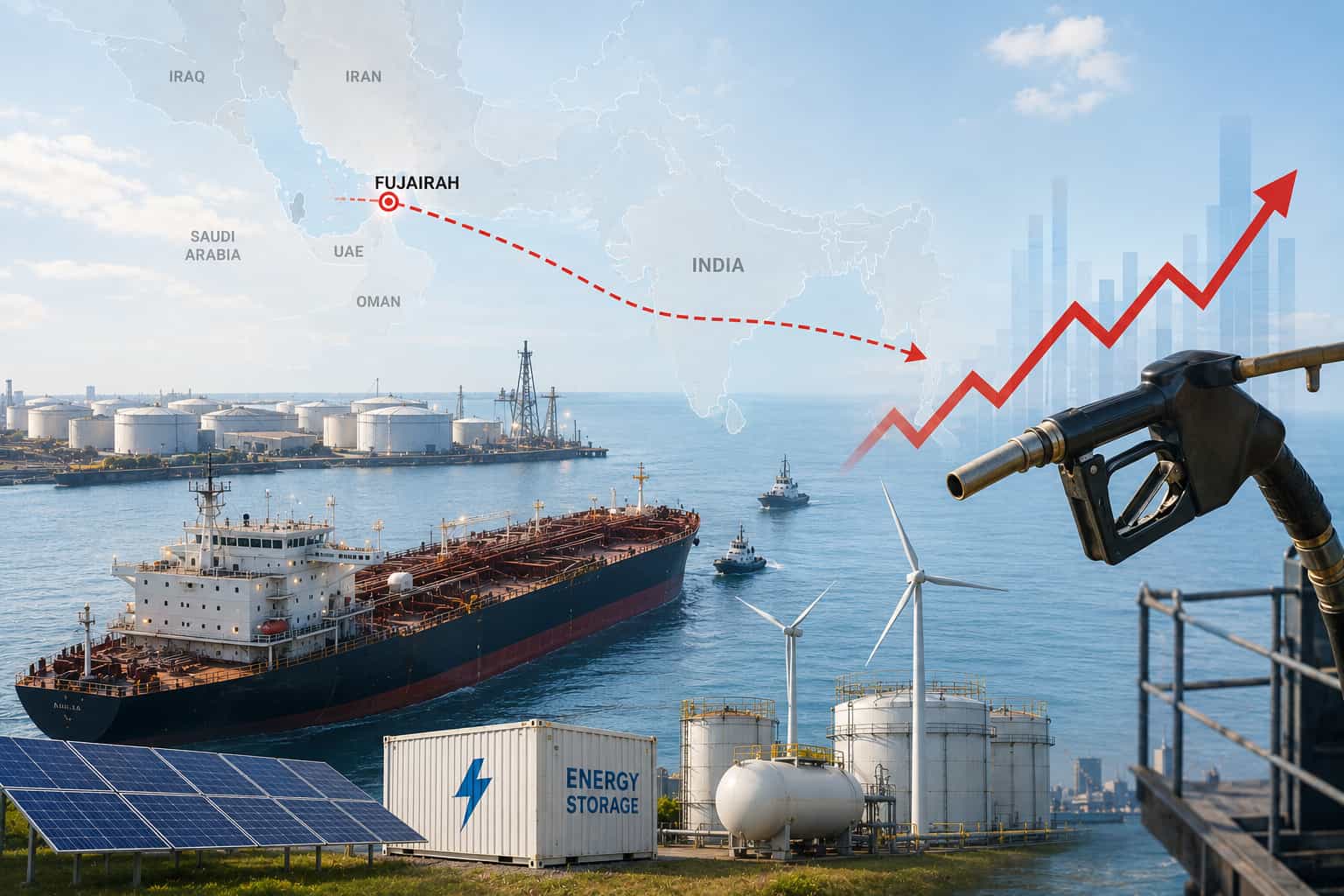
The attack on the Fujairah Petroleum Industries Zone in the United Arab Emirates (UAE) this week may appear, at first glance, to be another episode in the escalating confrontation surrounding Iran and the Strait of Hormuz. But for India, the incident carries implications far beyond diplomacy or regional security.
It is rapidly becoming a reminder of how deeply the country’s economic stability, inflation trajectory, industrial growth and financial markets remain tied to fragile geopolitical fault lines in West Asia.
India’s condemnation of the strike, which injured three Indian nationals working at the Fujairah facility, was unusually direct. The Ministry of External Affairs called the targeting of civilian infrastructure “unacceptable” and reiterated the need for “free and unimpeded navigation and commerce” through the Strait of Hormuz.
The language reflected more than humanitarian concern. It underscored a deeper anxiety that has quietly resurfaced within Indian policy and market circles: the country’s continued vulnerability to disruptions in global oil supply chains.
Fujairah occupies a unique position in the global energy architecture. Located along the Gulf of Oman, outside the Strait of Hormuz chokepoint, the emirate has evolved into one of the world’s largest oil storage, bunkering and refining hubs. It serves as a strategic bypass route for Gulf oil exports seeking to avoid Hormuz-related disruptions.
Any attack on Fujairah therefore sends immediate shockwaves through global energy markets because it signals that even alternative routes are no longer insulated from regional instability.
The latest escalation pushed Brent crude briefly above $114 per barrel, reviving fears of another sustained oil shock at a time when the global economy is already struggling with inflationary pressures and slowing growth. Bloomberg reported that rising crude prices are beginning to threaten India’s stock market rebound and broader macroeconomic outlook, especially as foreign investors grow cautious about emerging-market exposure during periods of geopolitical uncertainty.
Why oil shocks still matter deeply to India
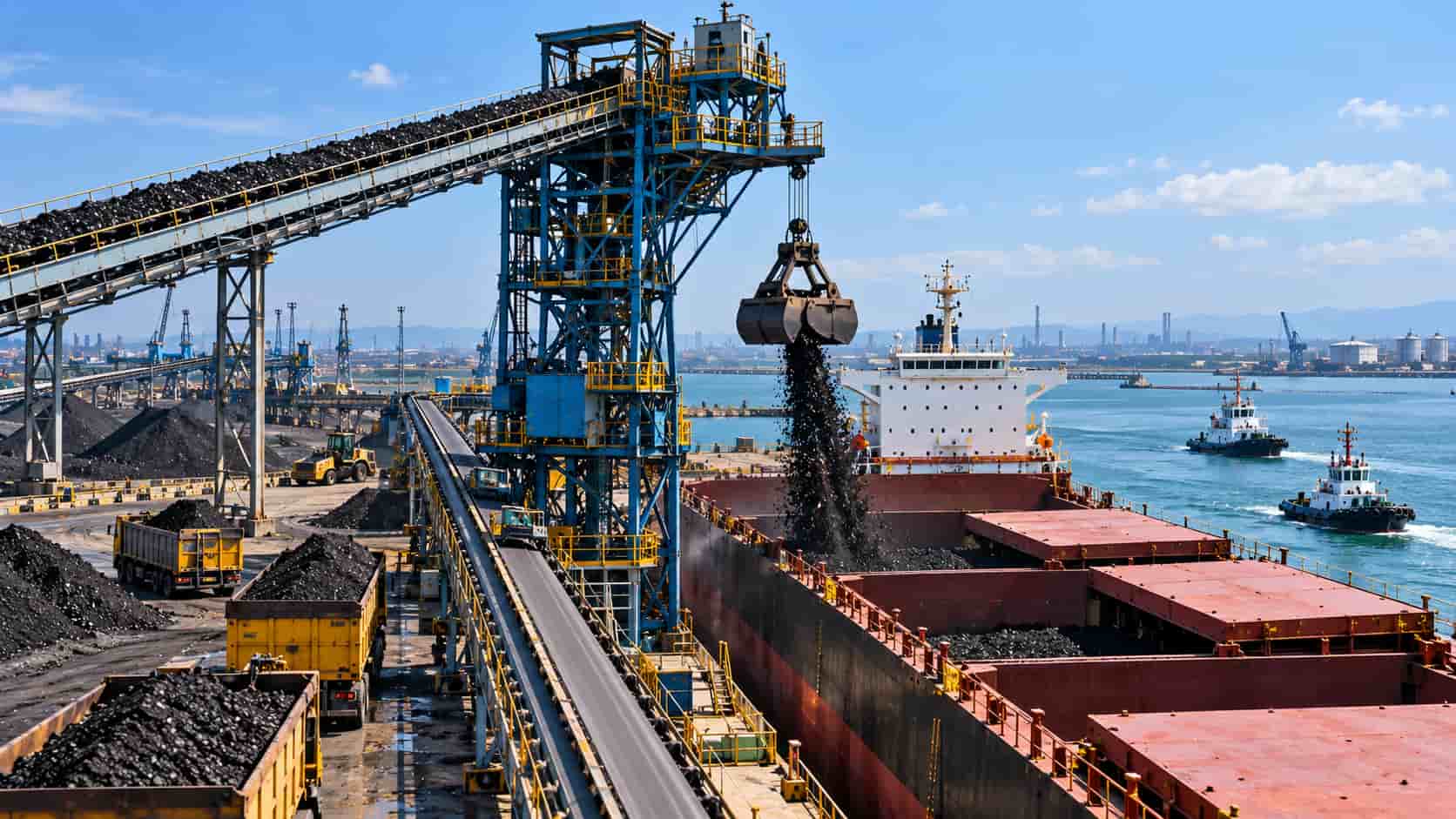
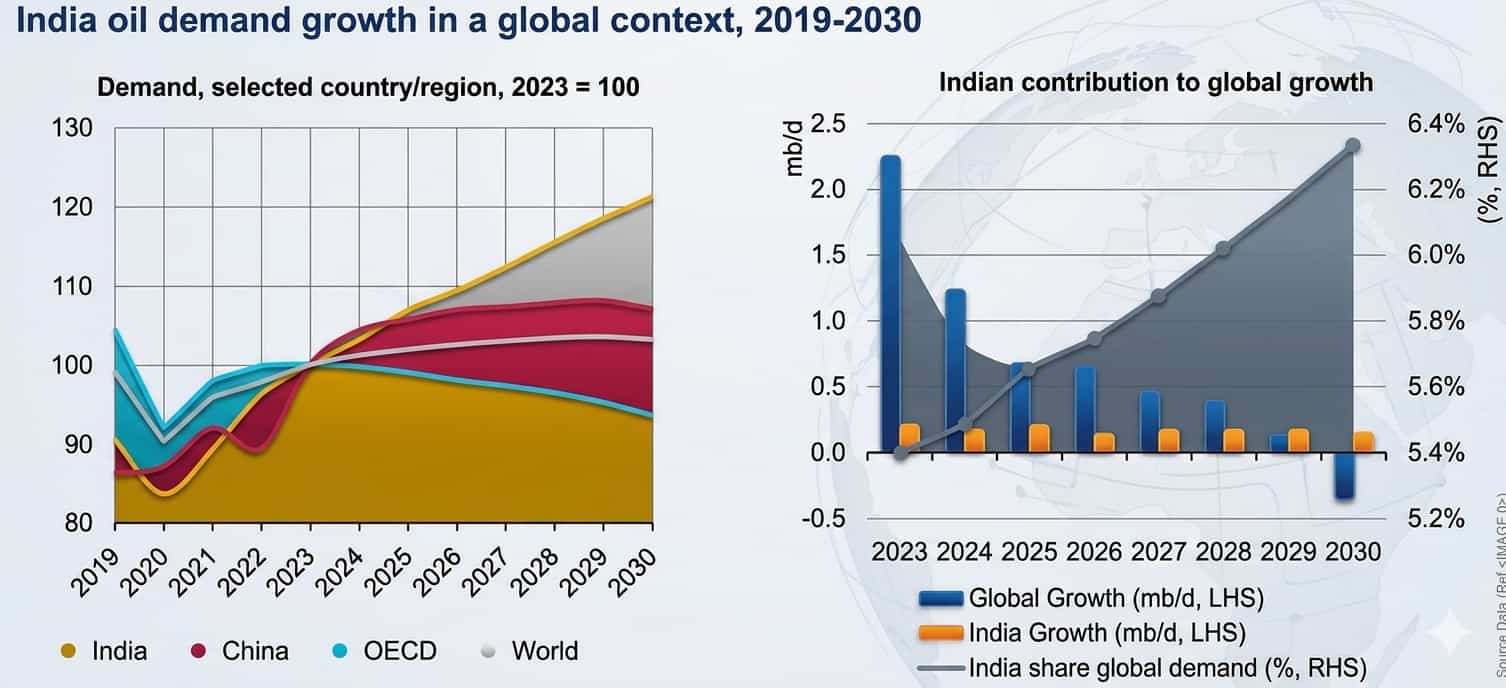
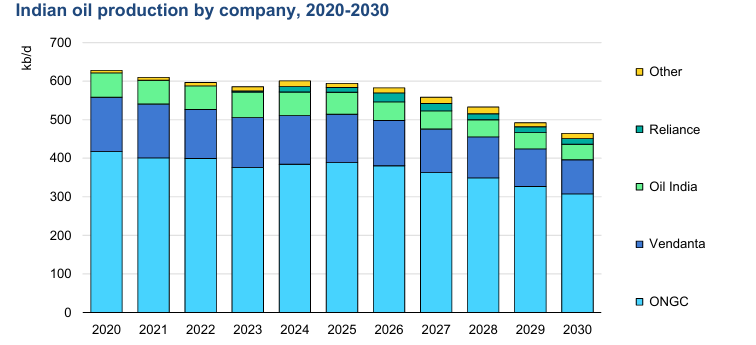
For India, the concern is structural rather than temporary. The country imports nearly 85 per cent of its crude oil requirements, making it one of the world’s most exposed major economies when oil prices surge. Despite years of diversification efforts, a substantial share of these imports still originate in or pass through the politically volatile West Asian region.
This dependence creates a chain reaction across the economy whenever oil prices rise sharply. Higher crude prices increase transport costs, raise fertiliser subsidy burdens, pressure the rupee, widen the trade deficit and complicate inflation management for the Reserve Bank of India. Fuel prices also affect everything from aviation and logistics to food inflation and manufacturing input costs.
Markets begin pricing geopolitical risk again
The concern is no longer theoretical. Goldman Sachs recently downgraded India’s 2026 growth forecast from 7 per cent to 5.9 per cent, warning that sustained disruptions linked to the Strait of Hormuz could create prolonged inflationary and currency pressures. The bank projected that crude prices could average above $100 per barrel for several months under a severe disruption scenario.
The report also warned that India’s current account deficit could widen significantly while inflationary pressures may force tighter monetary policy.
Such projections are particularly significant because India’s recent economic narrative has increasingly relied on strong domestic consumption, infrastructure spending and financial-market optimism. A prolonged oil shock could weaken all three simultaneously.
Beyond petrol prices: The wider industrial impact
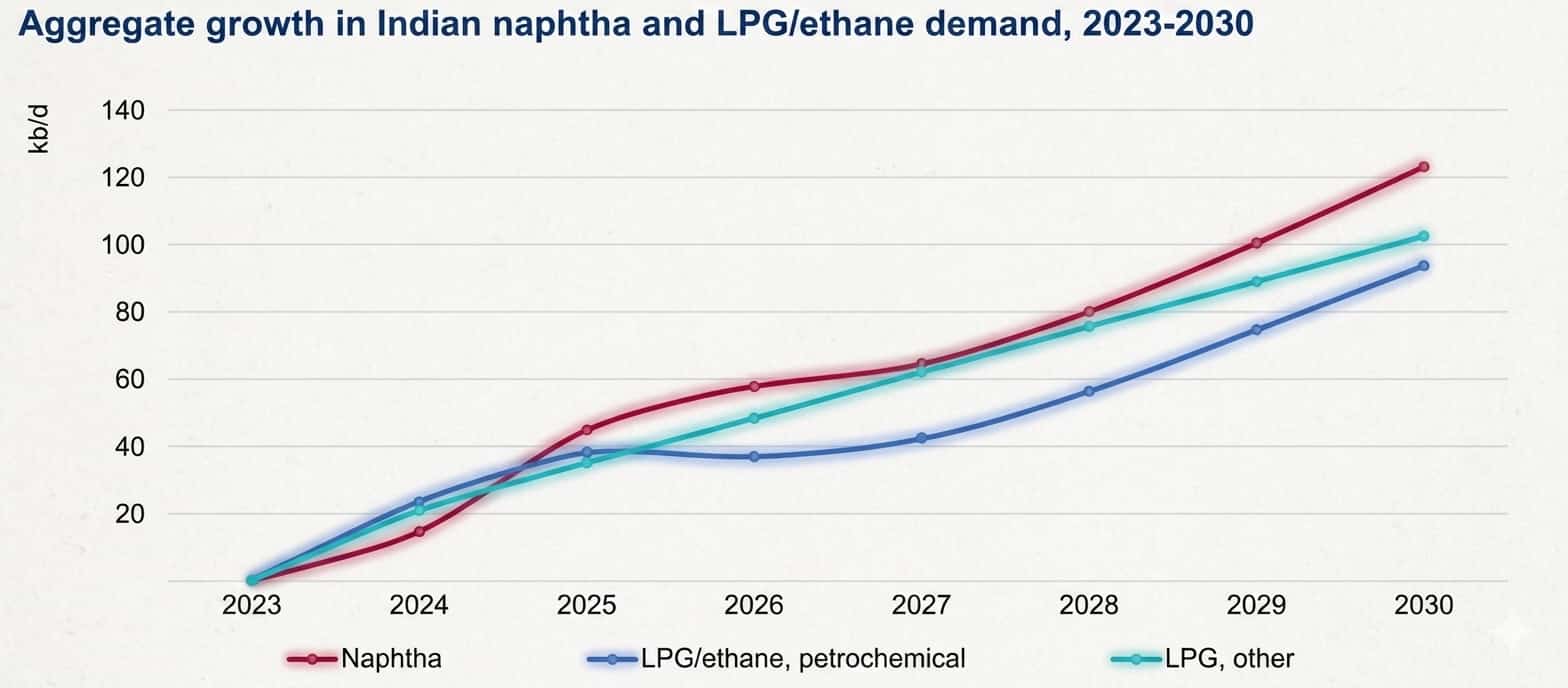
A senior analyst at a Mumbai-based energy consultancy said the present situation differs from earlier oil crises because energy disruptions now feed into a much wider industrial ecosystem. “The impact is no longer confined to petrol and diesel prices. Modern supply chains are deeply interconnected with petrochemicals, shipping costs, aviation fuel, plastics, fertilisers and industrial feedstocks,” the analyst said, requesting anonymity due to ongoing client engagements.
That broader industrial dimension is becoming increasingly important. Several international market observers have warned that refined products such as LPG, jet fuel and petrochemical feedstocks may face tighter supply conditions if tensions around Hormuz persist. Such shortages could affect sectors ranging from airlines and construction to pharmaceuticals and packaging industries.
The Strait of Hormuz and the return of maritime anxiety
The geopolitical backdrop is equally significant. The Strait of Hormuz handles roughly one-fifth of global oil trade and remains one of the world’s most sensitive maritime chokepoints. Even limited disruptions create disproportionate market reactions because traders immediately price in the risk of supply interruptions, insurance hikes and shipping delays.
What makes the present crisis particularly complicated is the increasing overlap between military tensions, commercial shipping and energy infrastructure. Recent attacks in the region have not only targeted military assets but also civilian ports, cargo vessels and energy facilities. This blurring of conventional red lines has intensified fears that energy trade itself may increasingly become a direct instrument of geopolitical pressure.
India’s diplomatic balancing act
India’s response, however, reflects a balancing act. New Delhi has maintained diplomatic ties with Gulf nations, Israel, Iran and the United States simultaneously, seeking to avoid entanglement while preserving energy access. But such neutrality becomes more difficult when attacks directly affect Indian nationals and threaten critical supply chains.
Energy transition increasingly seen as strategic policy
The episode is also reviving debate over whether India’s energy transition agenda should now be viewed primarily through a strategic lens rather than a purely environmental one.
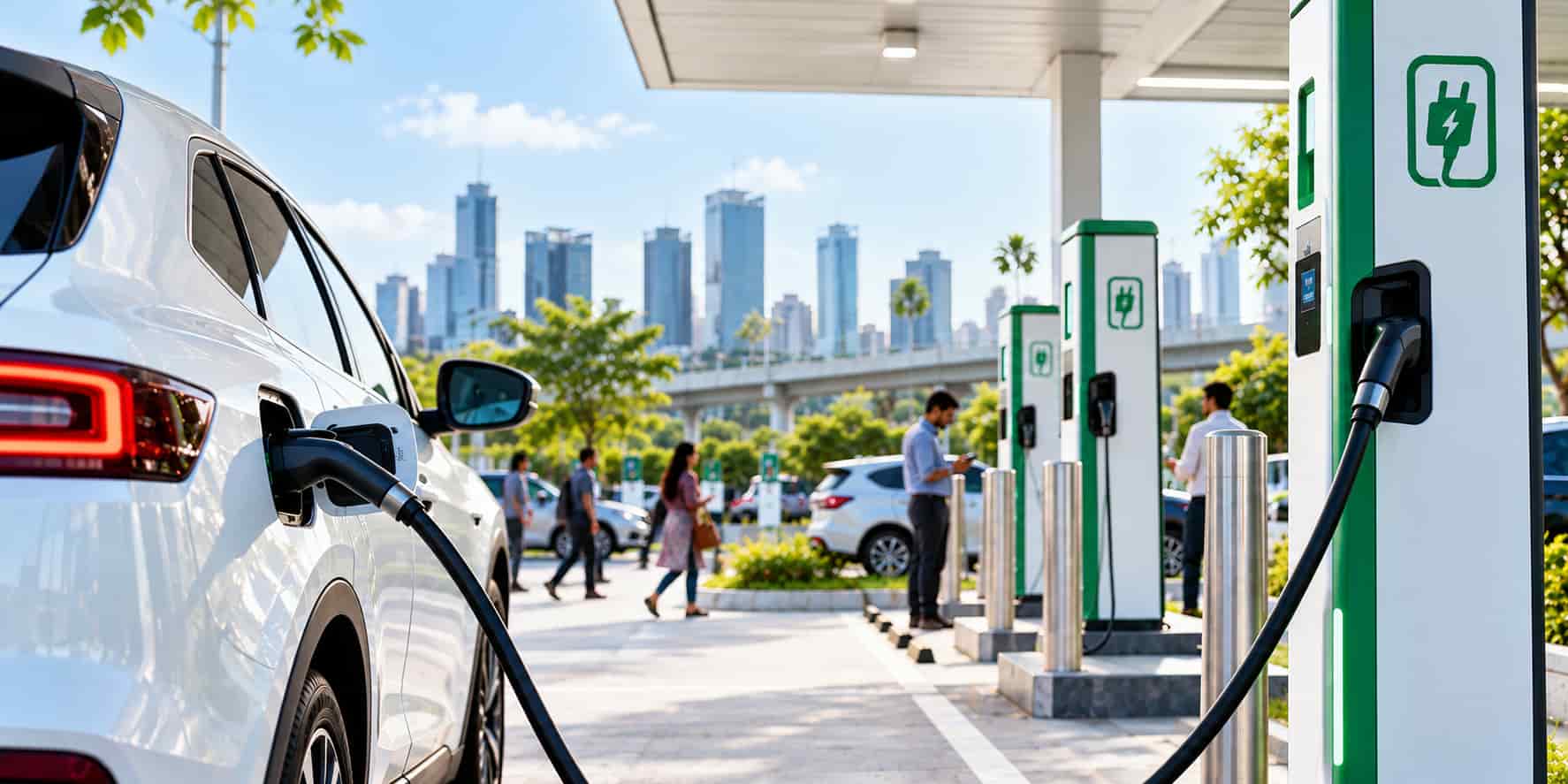
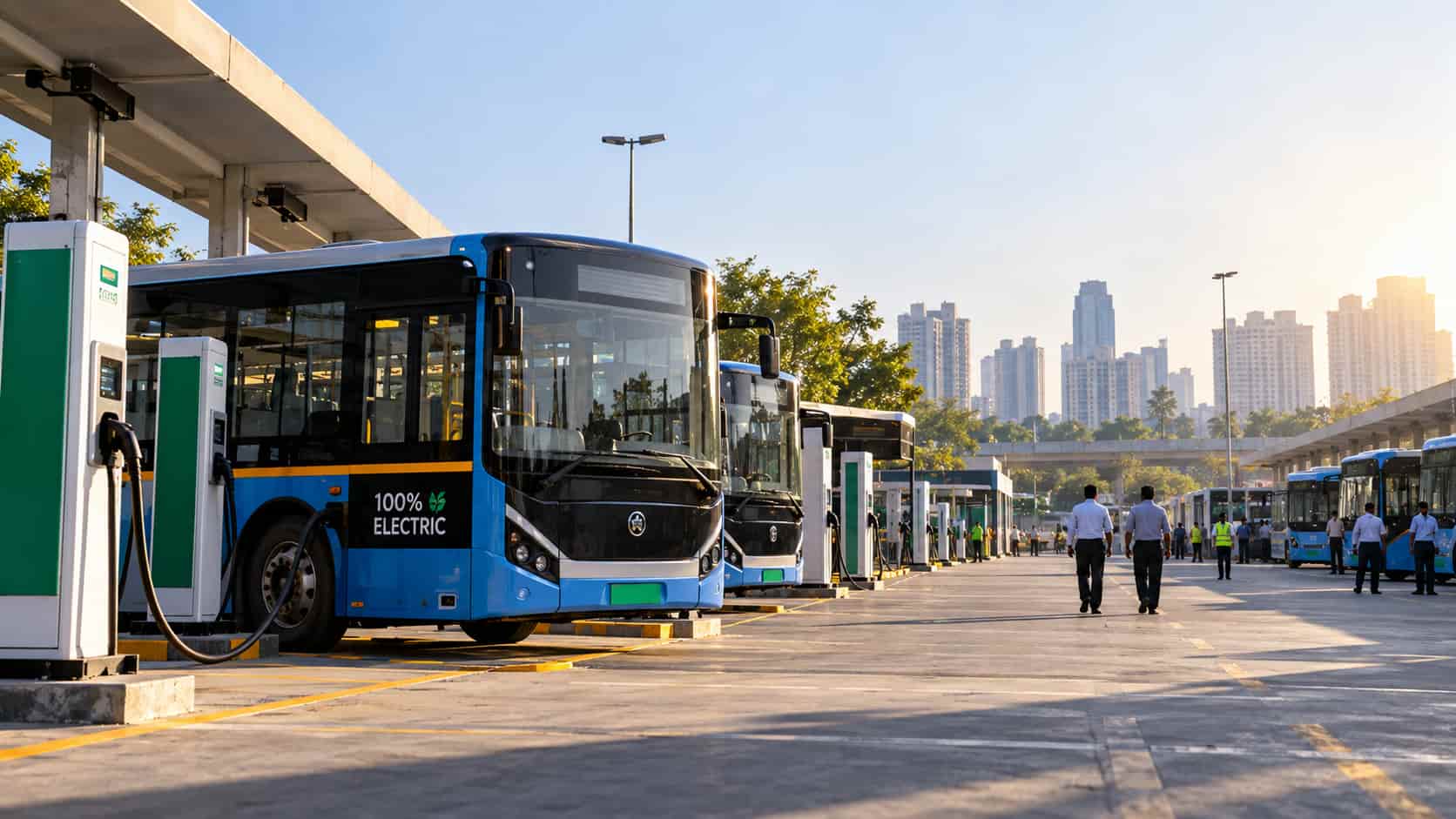
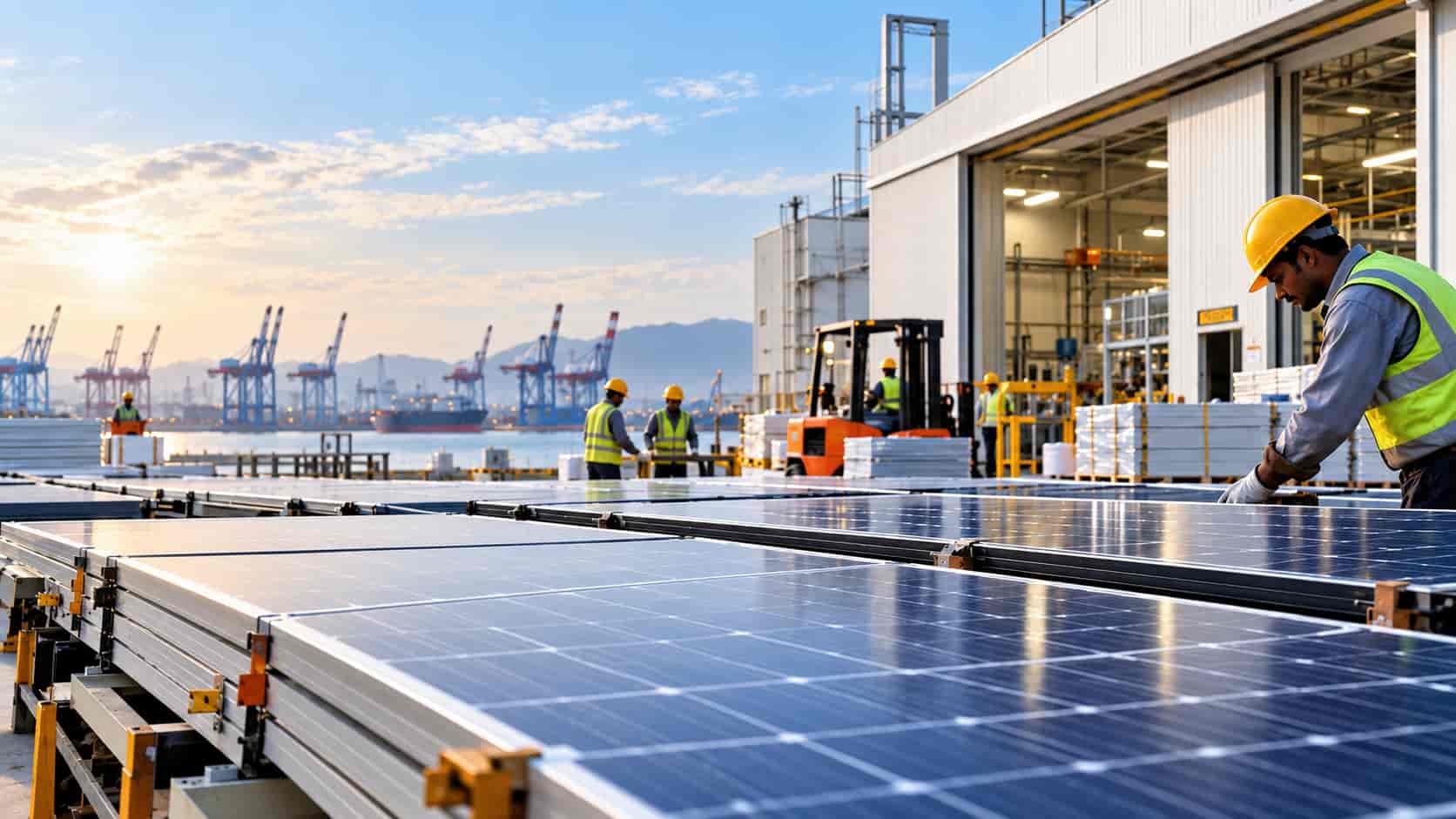
For years, renewable energy expansion in India was framed mainly around climate commitments, sustainability goals and international emissions targets. But repeated oil shocks, shipping disruptions and geopolitical crises are steadily changing that narrative. Increasingly, solar power, battery storage, electric mobility, biofuels and green hydrogen are being discussed not only as climate solutions but also as instruments of economic resilience and strategic insulation.
From climate ambition to energy resilience
This shift is already visible in policy discussions. India’s accelerated push for domestic solar manufacturing, battery storage systems and ethanol blending reflects not merely decarbonisation ambitions but also a desire to reduce external vulnerability.
Officials and industry executives have repeatedly emphasised the need for “energy independence” in recent years, particularly after the Ukraine conflict exposed the geopolitical risks of concentrated energy dependence.
A senior executive at an Indian renewable energy company said the latest Gulf tensions could further strengthen investor interest in domestic clean-energy infrastructure.
“Every major oil shock creates renewed urgency around localised energy systems, storage technologies and electrification. Investors increasingly see renewables not only as green assets but as strategic assets,” the executive said.
The limits and contradictions of transition
Yet counterarguments remain important. Critics of aggressive transition strategies argue that India’s development trajectory still requires affordable fossil fuels for industrial growth, transport expansion and energy access. Oil and gas continue to dominate heavy transport, aviation, petrochemicals and manufacturing. Rapidly replacing these systems remains technologically and financially challenging.
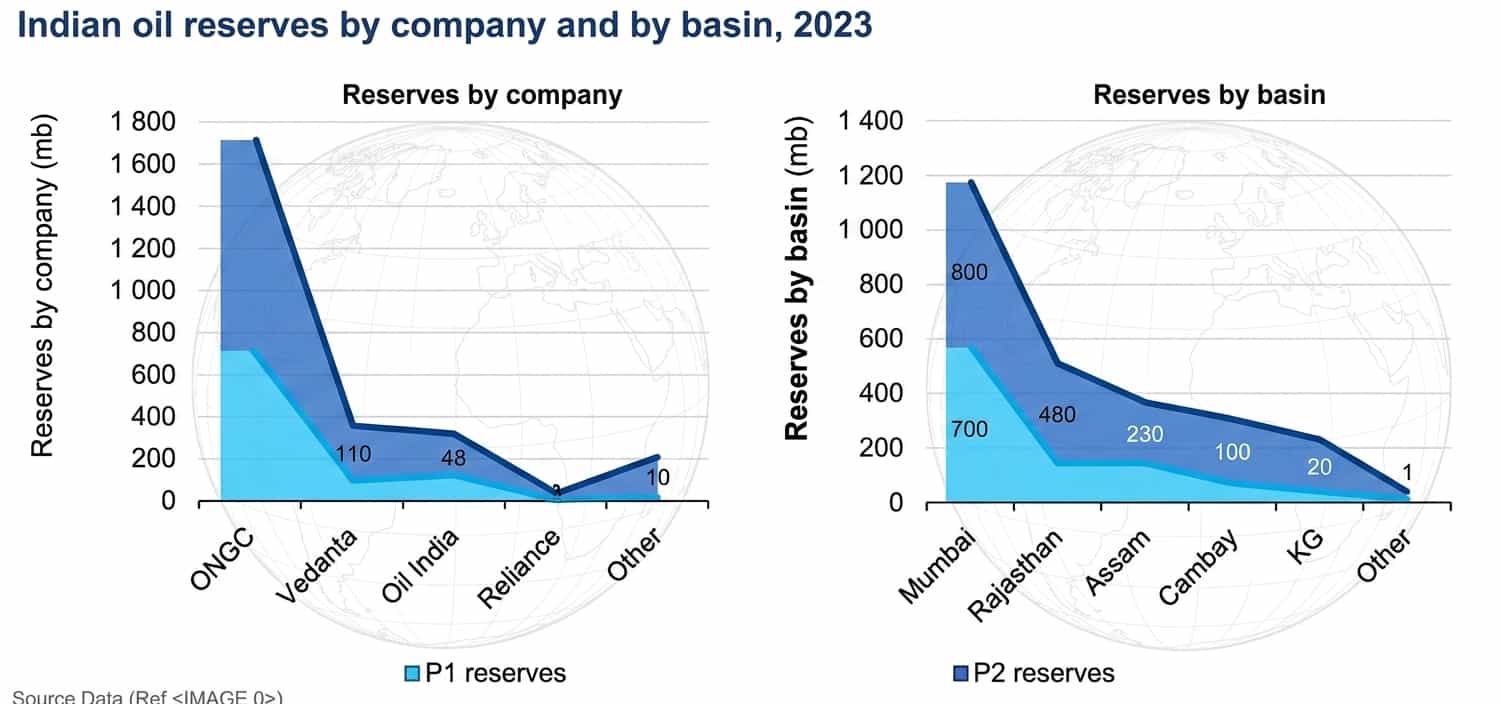
Moreover, renewable energy systems themselves depend heavily on global supply chains involving lithium, rare earths, semiconductors and imported equipment. Some analysts caution that replacing oil dependence with dependence on imported clean-energy minerals may simply shift vulnerabilities rather than eliminate them.
A new global energy-security doctrine emerging
Even so, the broader strategic direction appears increasingly clear.
Governments worldwide are quietly recalibrating energy policy around resilience rather than efficiency alone. Europe’s renewed focus on domestic gas production after the Russia-Ukraine conflict, Japan’s investments in strategic LNG partnerships, and Australia’s recent plans to expand fuel stockpiles all reflect a wider global reassessment of energy security.
India is likely to follow a similar path. Analysts increasingly expect stronger investments in strategic petroleum reserves, diversified crude sourcing, domestic renewable manufacturing, battery storage and alternative fuels if volatility in West Asia continues.
Some market forecasts are already incorporating this possibility.
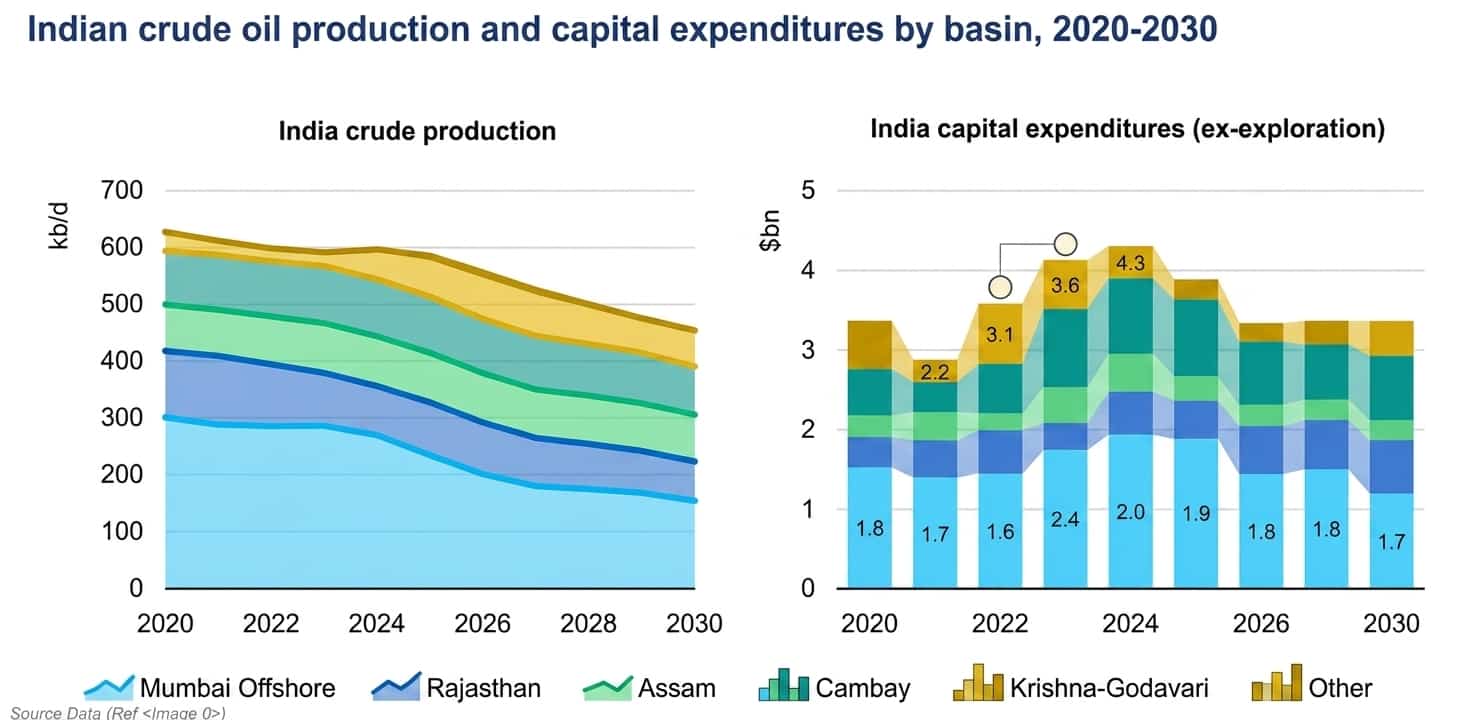
International financial institutions have begun modelling scenarios where oil remains structurally more volatile over the next decade because of geopolitical fragmentation, shipping vulnerabilities and underinvestment in conventional production. The era of relatively stable and predictable oil markets may be fading.
India’s long-term energy dilemma
For Indian policymakers, this creates a difficult balancing act. The country must sustain rapid economic growth while simultaneously insulating itself from external energy shocks. That requires massive investments not only in renewables but also in grids, storage, transmission infrastructure, domestic manufacturing and strategic reserves.
The Fujairah attack may therefore come to be seen not merely as another regional flashpoint but as a symbolic moment in India’s evolving energy debate. The country’s transition is no longer only about emissions targets or climate diplomacy. It is increasingly about shielding economic growth from geopolitical turbulence.
Every flare-up in West Asia effectively revives the same unresolved question: can India sustain long-term growth while remaining heavily dependent on imported fossil fuels moving through some of the world’s most volatile maritime corridors?
The answer may ultimately determine not just the future of India’s energy system, but the resilience of its broader economic model in an increasingly fragmented world.