


Decarbonizing the power sector in economies and regions in which there is strong growth in electricity demand is a challenge, says BP Energy Outlook report.
The report considers three scenarios – the ‘Rapid’ approach sees new policy measures leading to a significant increase in carbon prices while the ‘Net Zero’ course reinforces Rapid with big shifts in societal behaviour. The ‘Business-as-usual’ projection assumes that governmental policies, technology, and societal preferences continue to evolve as they have in recent past.
Electricity consumption in India increases robustly in all three scenarios growing between 4.0 - 4.6% per annum over the Outlook, as improving prosperity and living standards boost industrial and residential demand.
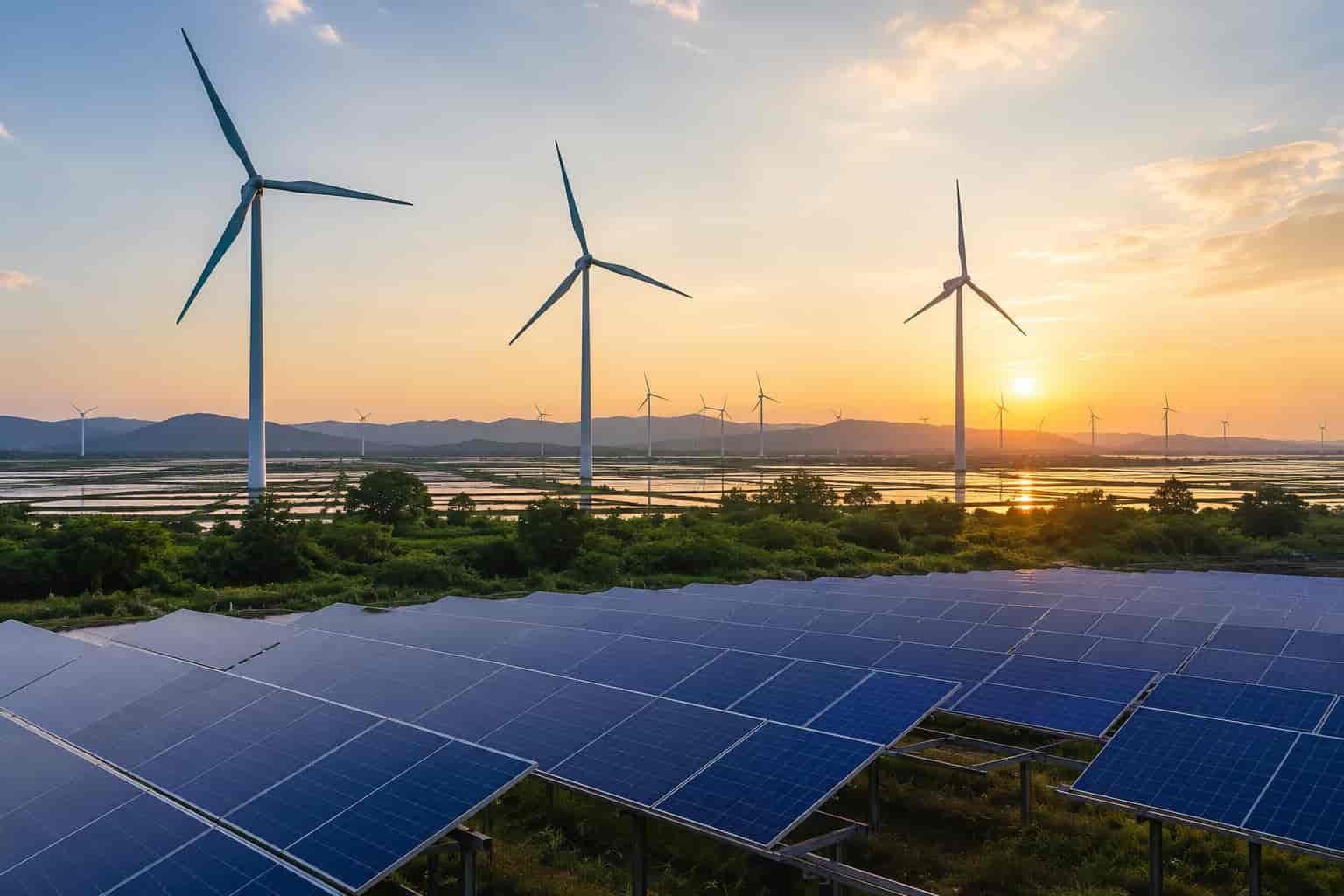
In Business-as-usual, wind and solar power generation will increase more than 20 folds by 2050, growing at an average rate of 10% per annum. Despite this, Indian coal-fired power generation doubles over the Outlook in Business-as-usual, requiring more than 100 new coal-fired power plants to be built over the next 15 years.
The pace and extent of the decarbonisation of power is greater in Rapid, with coal power generation falling by around 40% by 2050. In Rapid, Indian coal-fired power generation increases by a third over the next 10 years or so before subsequently declining. This requires around 50 new coal-fired power stations to be built in the 2020s, with the likelihood that some of these power stations become uneconomic as coal generation subsequently declines. A similar near-term increase in coal generation, albeit less pronounced, is apparent in Net Zero.
One option to avoid any increase in Indian coal-fired power generation would be for wind and solar power to accelerate even more quickly over the next 10 years, averaging around 45 GW per year, compared with 30 GW in Rapid and an average of 3 GW since 2000.
Another alternative would be to bring forward some of the growth of gas-fired power generation that happens later in the Outlook. If gas power generation is increased sufficiently to prevent any increase in coal generation, this would reduce carbon emissions by around 2 Gt CO2 over the next decade relative to Rapid.
Data Source: BP Energy Outlook