

India’s solar expansion is entering a new and far more complex phase.
For more than a decade, the country’s renewable energy story was largely measured in gigawatts added, record-low tariffs achieved, and the speed with which solar parks spread across states such as Rajasthan and Gujarat.
But as India moves closer to becoming one of the world’s largest clean-energy markets, the central challenge is no longer simply generating renewable electricity. It is about making that electricity reliable, flexible, dispatchable and economically sustainable.
The shift is becoming increasingly visible across the sector.
Battery energy storage projects are accelerating, rooftop solar systems are spreading beyond affluent urban consumers, renewable developers are under pressure to maintain profitability, and policymakers are grappling with the growing complexity of integrating intermittent power into an already stressed grid.
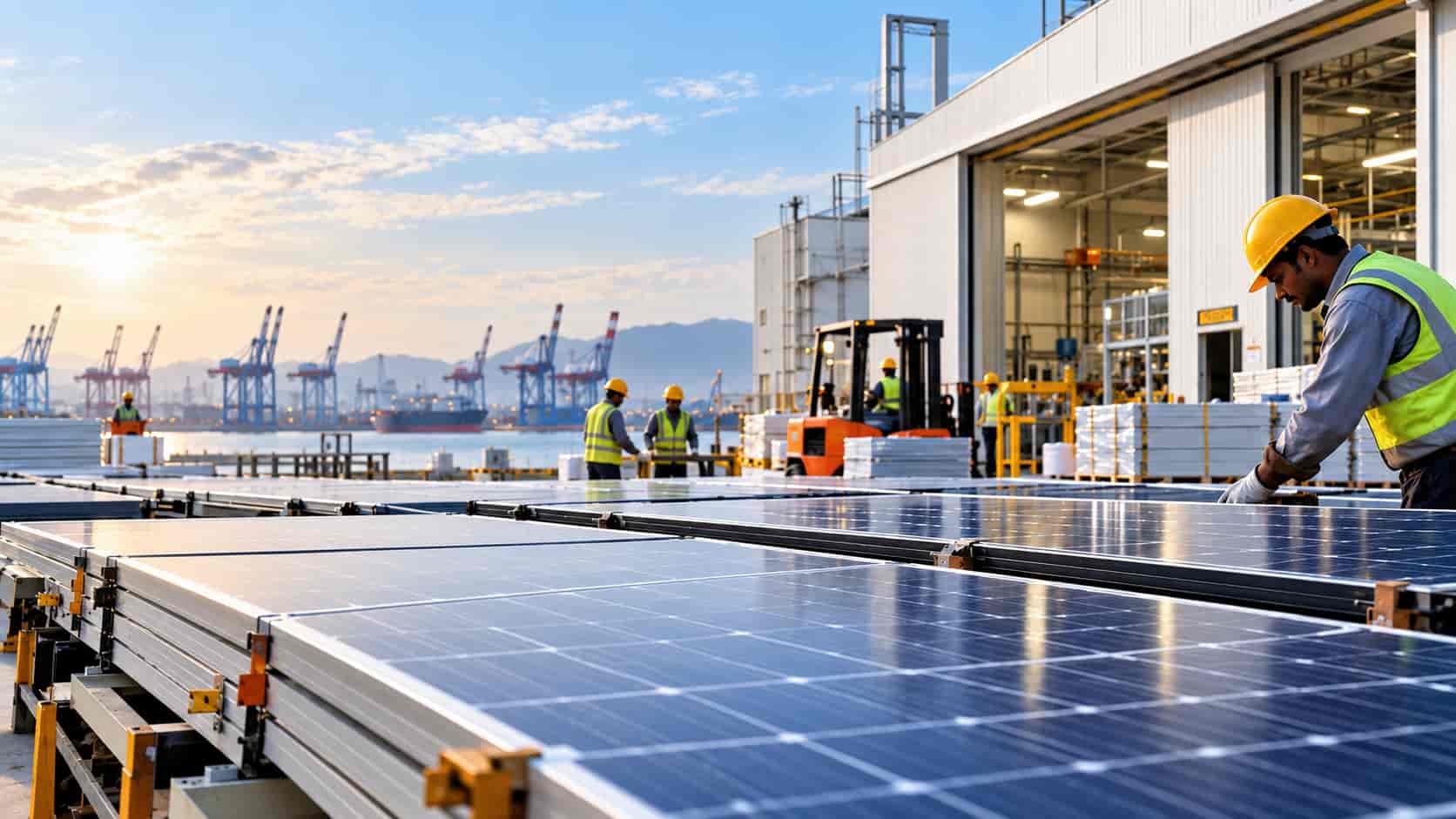
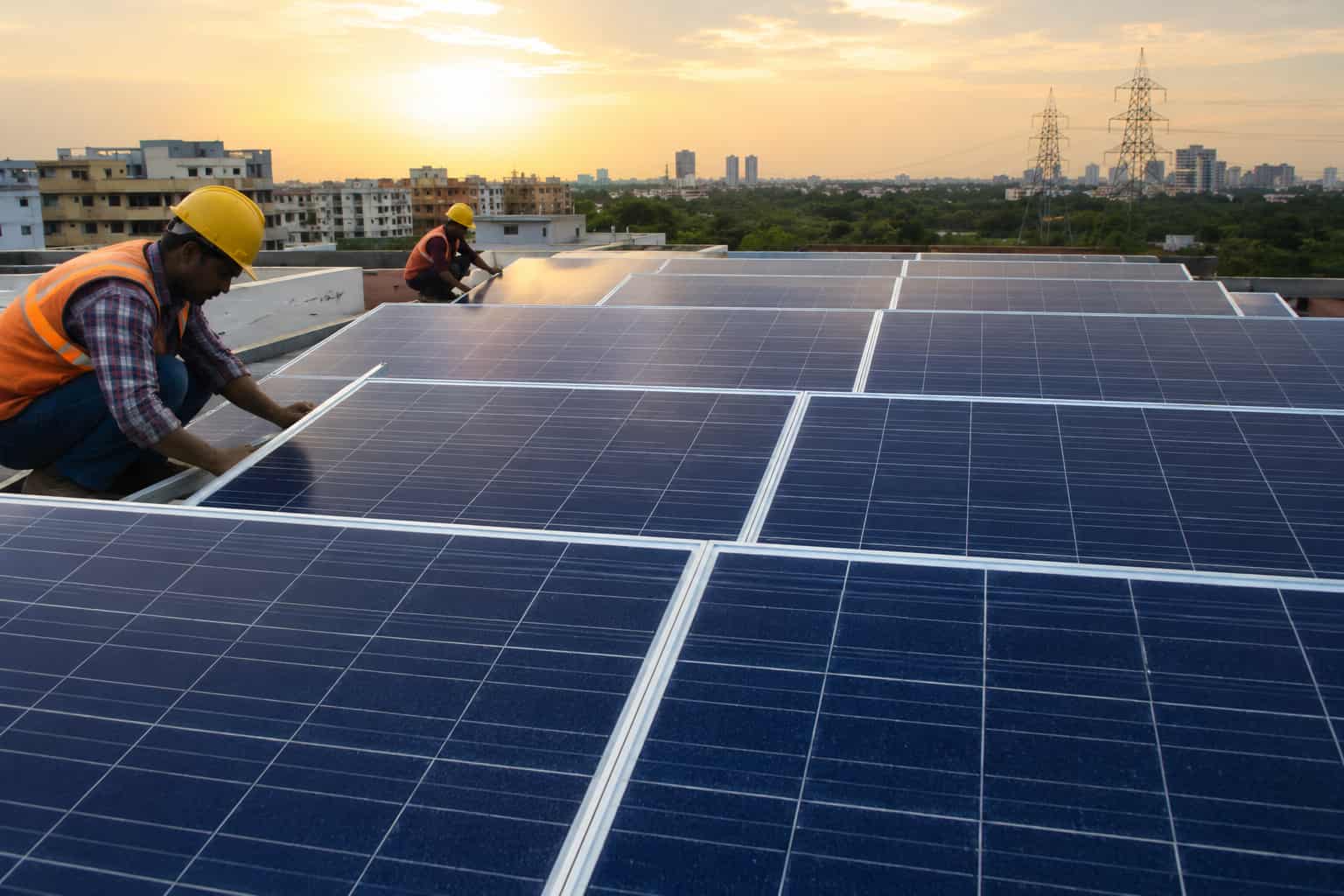
India added nearly 3.9 GW of solar capacity in April alone, taking total installed solar capacity to around 154 GW, according to sectoral updates. Meanwhile, the country installed approximately 15.3 GW of solar capacity in the first quarter of 2026, reinforcing India’s position among the fastest-growing renewable energy markets globally.
Yet the most consequential developments may now be occurring beyond generation capacity numbers.
The transition from cheap solar to usable solar
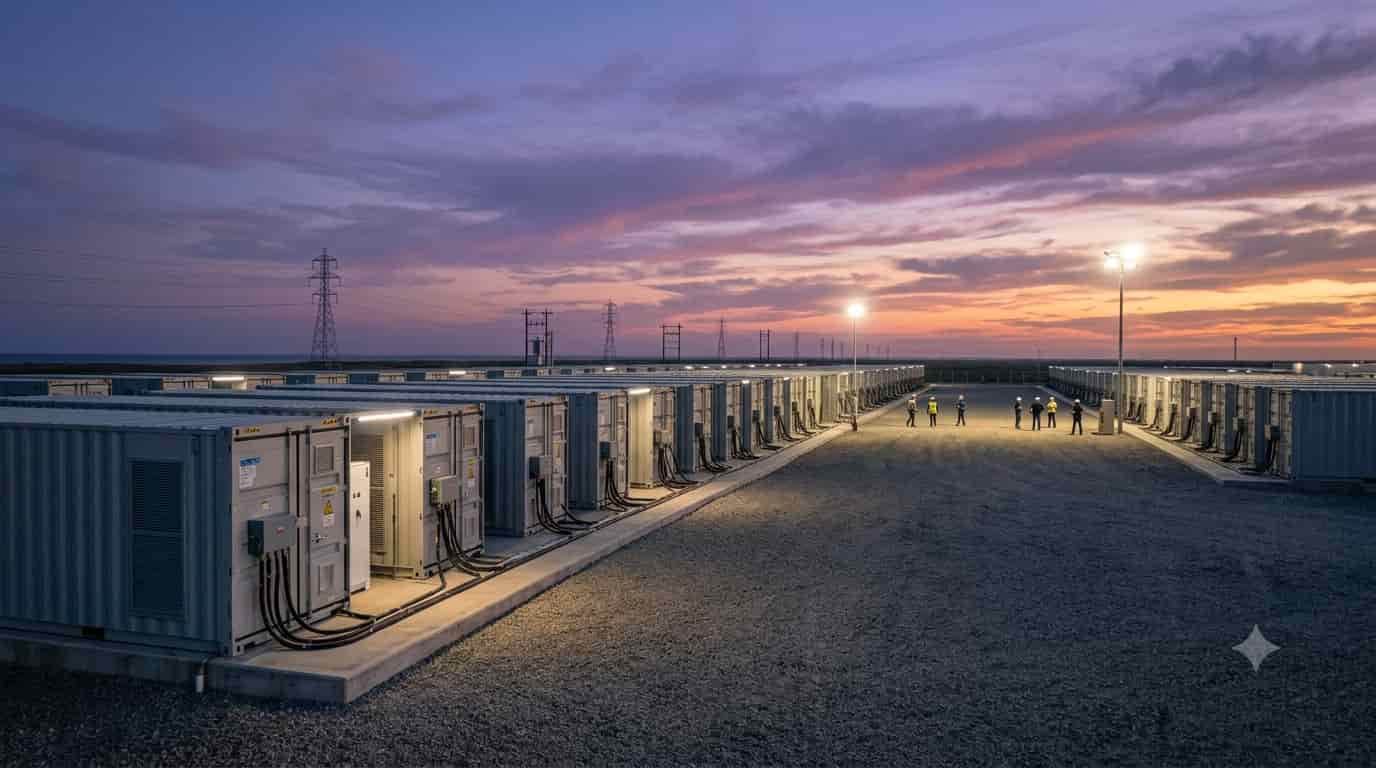
One of the clearest signals of this shift is the rapid emergence of battery energy storage systems (BESS) as a strategic pillar of India’s energy transition.
ACME Solar recently commissioned new battery storage capacity in Rajasthan, underlining how developers increasingly view storage not as an optional add-on but as an essential component of renewable projects.
For years, India’s solar expansion benefited from a relatively simple equation: falling photovoltaic costs combined with strong policy support. That model enabled India to become one of the world’s cheapest solar power producers. However, as renewable penetration rises, system-level challenges are becoming harder to ignore.
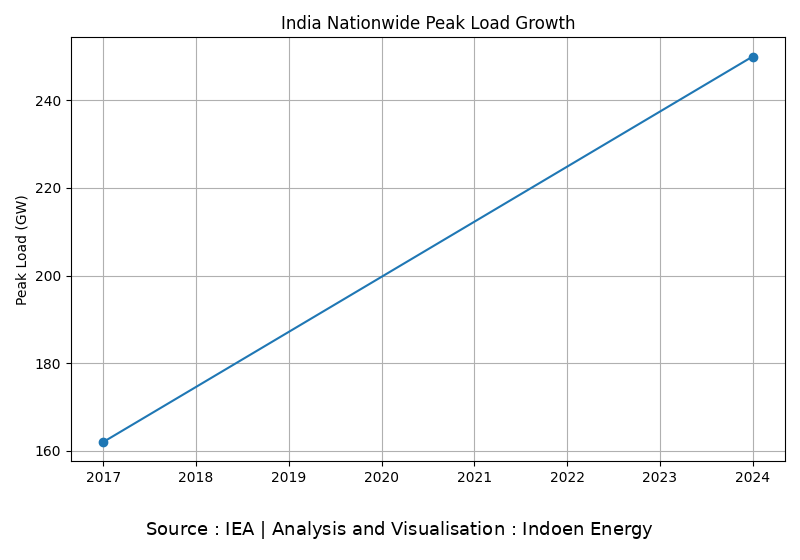
Solar power generation peaks during daylight hours, but electricity demand in India often surges during evening periods when solar generation declines sharply. This mismatch is creating growing balancing pressures for grid operators.
Analysts at Observer Research Foundation have warned that integration bottlenecks, transmission constraints and balancing challenges could become the defining issue of India’s next renewable phase.
This represents a profound transition in energy economics. The first phase of India’s solar story focused on the cost of generation. The next phase will increasingly revolve around the cost of flexibility.
In many ways, India is beginning to encounter the same structural challenge now visible in advanced renewable markets such as California, Germany and parts of China: electricity abundance during certain hours and supply tightness during others.
Storage is becoming the new energy battleground
The implications extend far beyond grid management.
India’s battery storage market is rapidly evolving into a major investment theme, driven not only by renewable integration needs but also by concerns around energy security, industrial competitiveness and future electricity demand growth.
The government has increasingly acknowledged storage as critical infrastructure. The Ministry of New and Renewable Energy recently highlighted ongoing solar and rooftop deployment initiatives, while several state utilities have begun integrating storage-linked procurement models into renewable tenders.
Industry executives say a significant change is now occurring in investor thinking. Earlier, developers competed primarily on tariff reduction. Today, investors are paying closer attention to dispatchability, round-the-clock renewable supply and grid reliability.
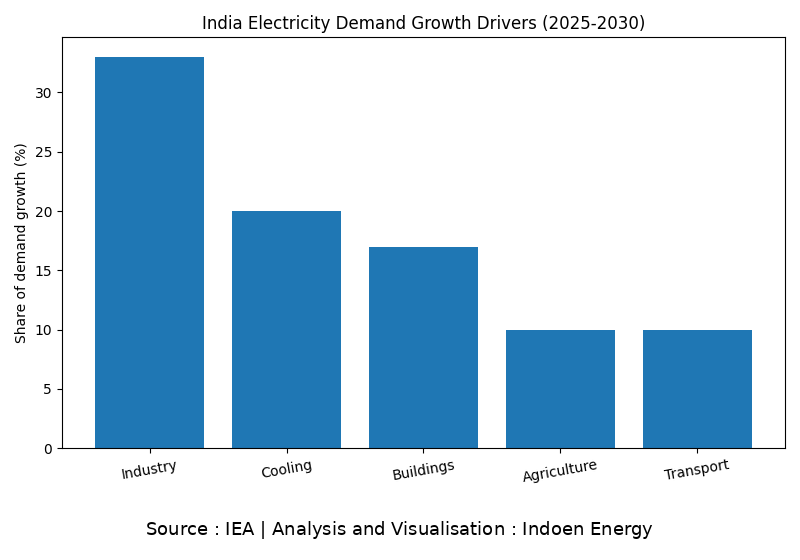
This is especially important because India’s electricity demand profile itself is changing.
One of the less-discussed but potentially transformative trends is the rise of AI-linked electricity demand. Globally, the rapid expansion of data centres and artificial intelligence infrastructure is pushing up electricity consumption projections.
Major technology companies are increasingly seeking 24x7 clean power rather than intermittent renewable supply.
India could soon face a similar trajectory as digital infrastructure expands. That may significantly strengthen the business case for hybrid renewable systems combining solar, wind and battery storage.
This could reshape the economics of the renewable sector itself. In the coming decade, the competitive advantage may shift from companies that merely build generation capacity to those capable of delivering stable, round-the-clock clean electricity.
Rooftop solar expansion brings new contradictions
India’s rooftop solar push is also entering a more politically and economically sensitive phase.
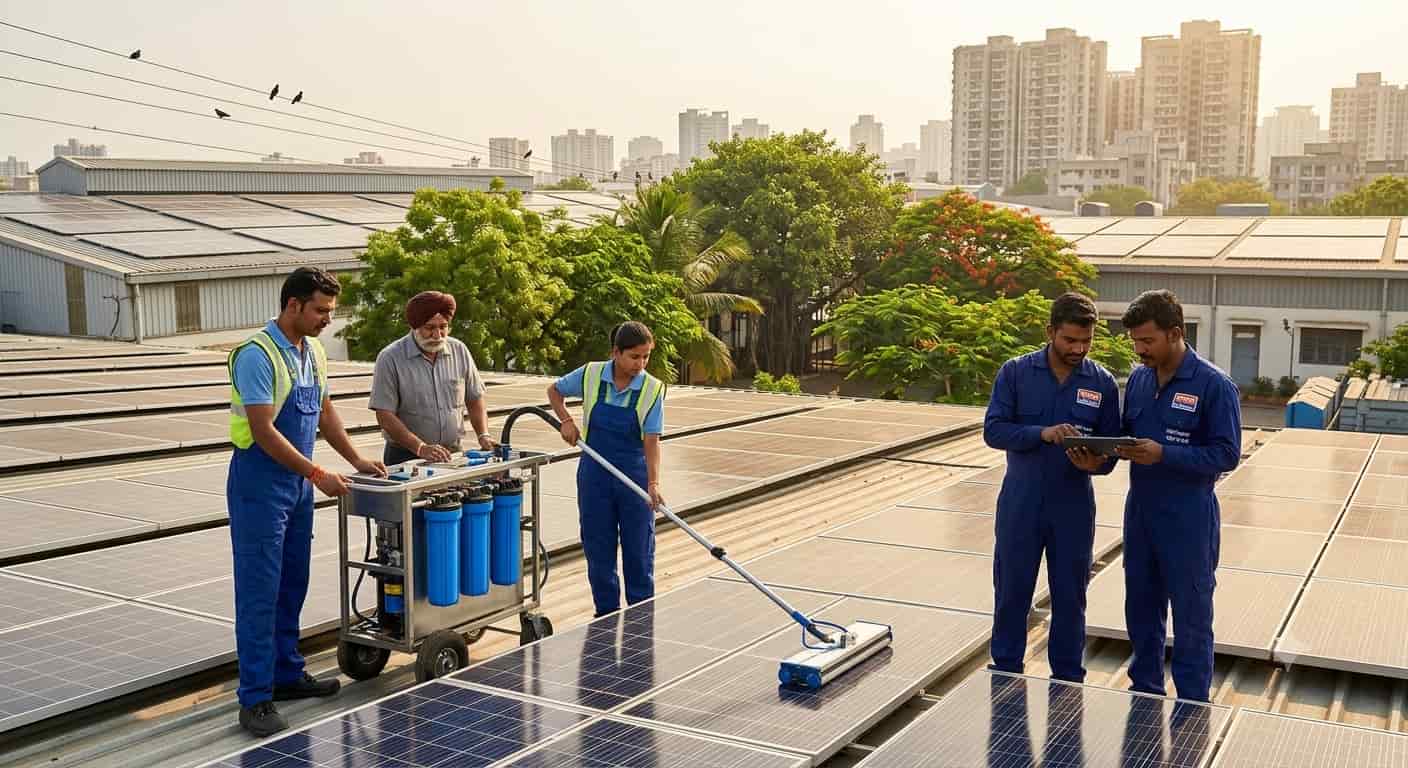
The government recently approved the installation of around 1.3 million rooftop solar systems across 10 states under the utility-led aggregator model.
While rooftop solar supports energy democratisation and reduces consumer dependence on expensive grid electricity, it also creates new challenges for power distribution companies.
As affluent households and commercial consumers increasingly generate their own electricity, utilities risk losing high-paying customers while continuing to shoulder the financial burden of maintaining transmission and distribution infrastructure.
This tension has already emerged in several international markets and may intensify in India as rooftop penetration rises.
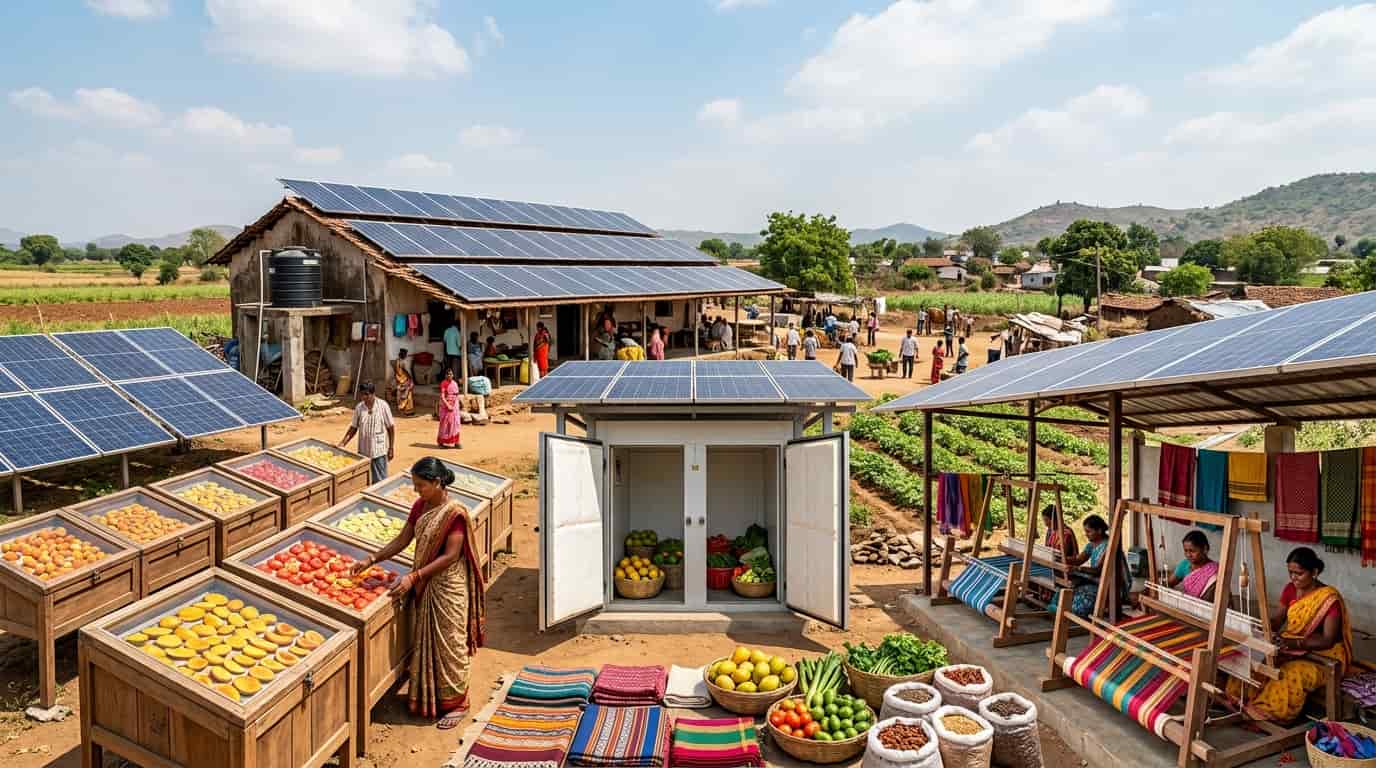
There is another overlooked dimension. The next phase of rooftop solar may not simply involve panels on rooftops. It could evolve into decentralised micro-energy ecosystems that integrate batteries, electric vehicles, smart appliances and AI-driven energy management systems.
That transition could fundamentally alter the relationship between consumers and the electricity grid.
Financial pressures are beginning to surface
Even as renewable deployment accelerates, financial strains within the sector are becoming more visible.
Recent market attention surrounding ReNew Energy Global reflects broader investor concerns about the long-term profitability of renewable developers operating in a highly competitive tariff environment.
India’s renewable developers face mounting pressures from transmission delays, land acquisition complexities, imported component dependencies, currency volatility and storage integration costs.
The sector’s economics are becoming increasingly complicated precisely at the moment when capital requirements are expanding sharply.
This raises a critical question for India’s clean-energy ambitions: can developers maintain financial sustainability while simultaneously investing in storage, transmission connectivity and flexible generation systems?
The answer may determine whether India can move smoothly toward its longer-term renewable and net-zero ambitions.
Geopolitics is returning to the centre of the energy transition
Another emerging complication is geopolitics.
India’s renewable sector remains deeply tied to global supply chains, particularly for solar modules, batteries and critical minerals. As global trade tensions intensify, clean-energy deployment is becoming increasingly exposed to strategic competition between major economies.
A recent analysis in Fair Observer argued that India-US trade tensions could complicate India’s solar and AI ambitions, particularly as industrial policy and technology controls become more aggressive globally.
This is part of a wider international shift. Renewable energy is no longer viewed solely as a climate issue. It is increasingly tied to industrial strategy, manufacturing security and geopolitical leverage.
China’s dominance in solar manufacturing, battery processing and critical minerals continues to shape global renewable economics. At the same time, countries including the United States and members of the European Union are aggressively using subsidies and industrial policy to secure clean-energy supply chains.
India now finds itself navigating a difficult balancing act: scaling renewable deployment rapidly while reducing strategic dependence on imported technologies.
India’s next 150 GW may be harder than the first
India’s solar sector is still likely to expand rapidly. Sector projections suggest the country could eventually move towards 300 GW of solar capacity in the coming years.
But the nature of the transition is changing.
The next phase will not primarily be about installing more panels. It will involve redesigning how electricity systems function in a renewable-heavy economy.
That means investing in storage, transmission, flexible grids, digital infrastructure and market reforms at a scale India has not previously attempted.
It also means confronting uncomfortable contradictions. Cheap renewable electricity does not automatically guarantee grid stability. Faster solar growth does not necessarily ensure profitable developers. Decentralised generation can simultaneously empower consumers and weaken utilities.
India’s renewable transition is therefore entering its most consequential phase yet — not because of how much solar it can build, but because of whether it can transform intermittent renewable power into a stable foundation for economic growth, industrial expansion and digital infrastructure.
And that challenge may ultimately prove far more difficult than the first solar boom.