


Essar's £4.3bn UK energy transition push deepens Indian capital's footprint in Europe's low-carbon shift
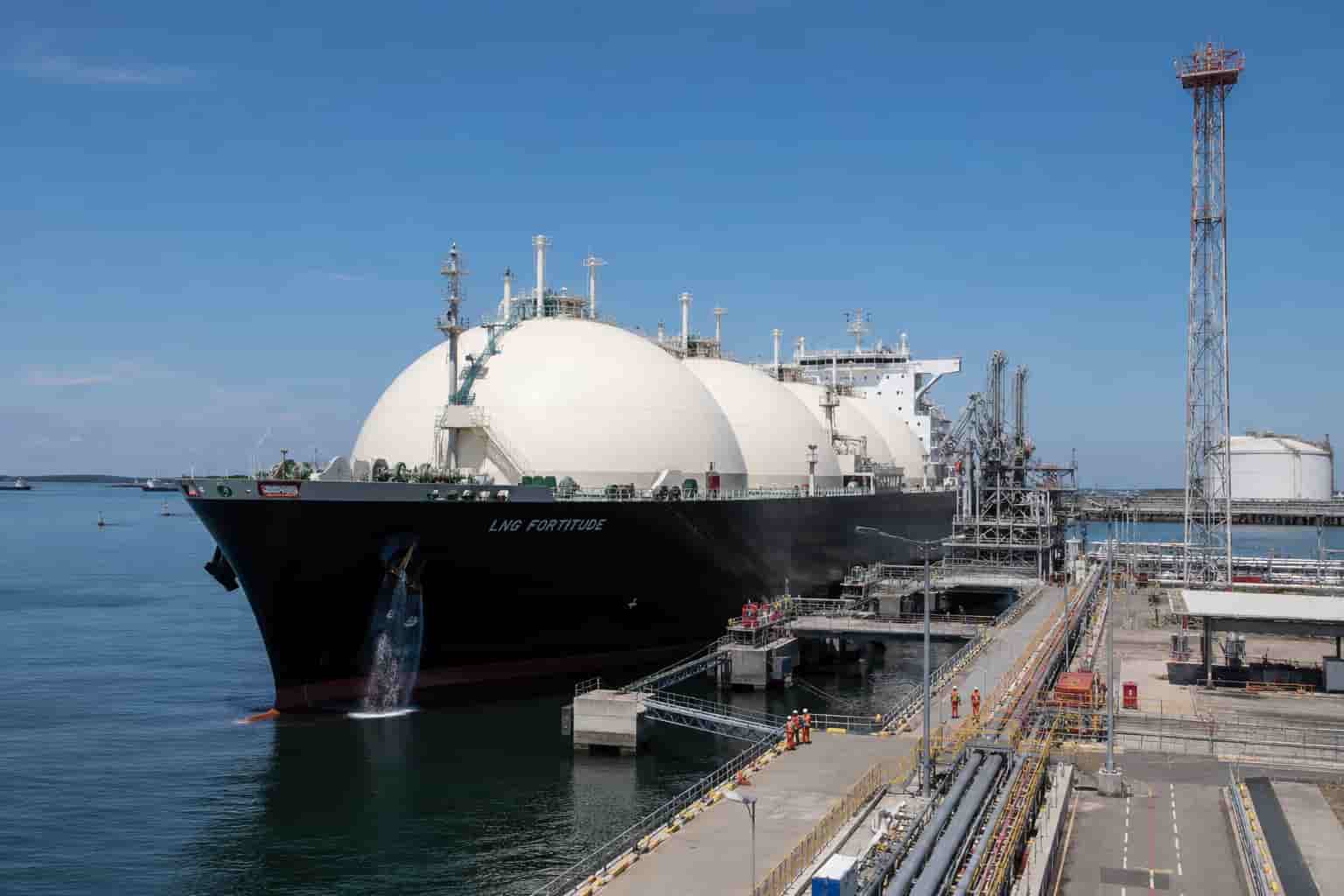
India's Essar Group has unveiled a £4.3 bi (US$5.8 bn) investment programme to be deployed by 2035 through its unit Essar Energy Transition Fuels (EETF), which operates the 200,000-barrels-a-day Stanlow refinery in north-west England.
More than £1 billion (US$1.3 bn) of the outlay is already close to a final investment decision, earmarked for converting Stanlow into what the company calls a leading energy transition hub, integrating cleaner fuels, new feedstocks and lower-emission conversion technology.
Alongside the refinery overhaul, Essar is expanding its UK retail fuel network to 800 sites and weighing data-centre development near the Stanlow complex, extending the group's presence from fuels into digital infrastructure.
The scale and structure of the commitment matter beyond the UK. It represents one of the largest single capital pledges by an Indian private group into a Western energy transition programme, placing Essar alongside a small cohort of Indian conglomerates — Reliance and Adani among them — that are increasingly deploying balance-sheet capital into overseas low-carbon infrastructure rather than confining transition spending to the domestic market.
That shift signals growing confidence among Indian energy groups in taking on long-duration, regulation-heavy transition assets abroad, a posture that was rare a decade ago when outbound Indian energy capital was concentrated in upstream exploration and coal.
For India, the development carries a direct capital-flows dimension: it is Indian promoter capital being channelled into a G7 energy market rather than the more familiar pattern of inbound FDI into Indian renewables.
It also offers a working template relevant to India's downstream sector. Stanlow's conversion into a transition hub — retaining refining capacity while layering in lower-carbon feedstocks and fuel pathways — is a model India's state-run refiners, including IOC, BPCL and HPCL, are being pushed toward as they face their own decarbonisation mandates without the option of simply retiring large, capital-intensive refining assets.
Essar's UK experience, run by the same promoter family that operates refining and power assets in India, is likely to feed back into how the group and its Indian peers approach transition planning at home.
What will matter going forward is financing structure and pace. With over a billion pounds nearing FID, the next milestone will be whether EETF taps international green-bond or export-credit financing, and whether the programme's job-creation and manufacturing commitments in the UK's North West translate into technology or engineering partnerships that could eventually be mirrored in India's own refining-to-transition-hub conversions.
Adnoc Gas's $8.2bn Rich Gas Development expansion sharpens the Gulf LNG race India depends on
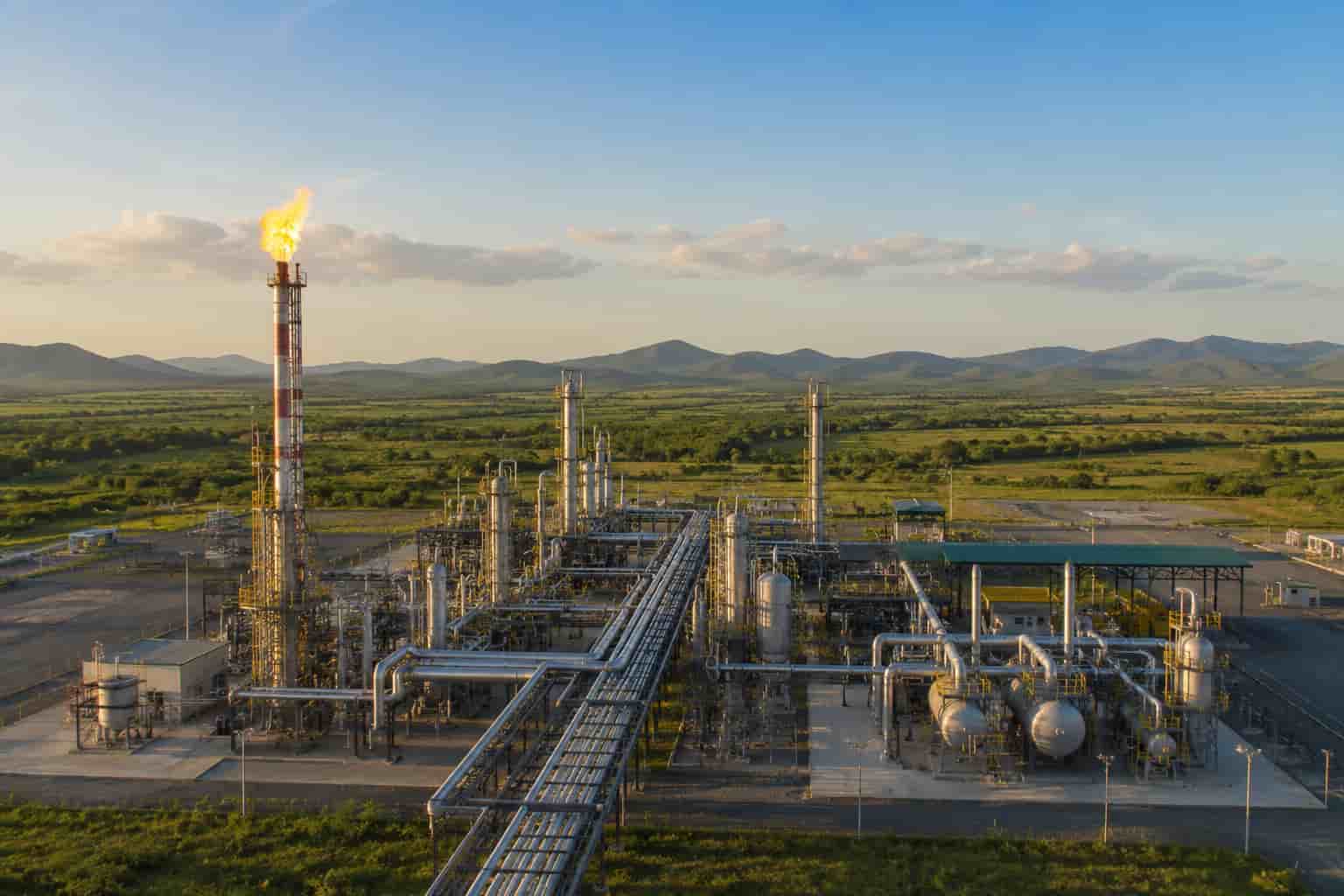
Abu Dhabi National Oil Company's gas arm, Adnoc Gas, has taken final investment decisions on the next two phases of its Rich Gas Development programme, awarding US$8.2 bn in engineering, procurement and construction contracts — a US$3.9 bn Phase 2 award to China's Wison Engineering for a new processing train at the Habshan complex, and a US$4.3 bn Phase 3 award to Tecnimont for a natural gas liquids fractionation unit at Ruwais.
Combined with an earlier US$5 bn Phase 1 commitment, total spending on the programme now stands at US$13.2 bn, part of a wider roughly US$28 bn capital plan through 2030 that the company says will lift EBITDA growth to 60% from 2023 levels, up from an earlier 40% target.
The expansion comes at a moment of heightened strategic sensitivity in the Gulf gas market. It follows the UAE's exit from OPEC and comes as Adnoc Gas separately explores an LNG export facility outside the Strait of Hormuz, in addition to the Ruwais LNG project, which is set to more than double the country's export capacity to roughly 15 million tonnes a year.
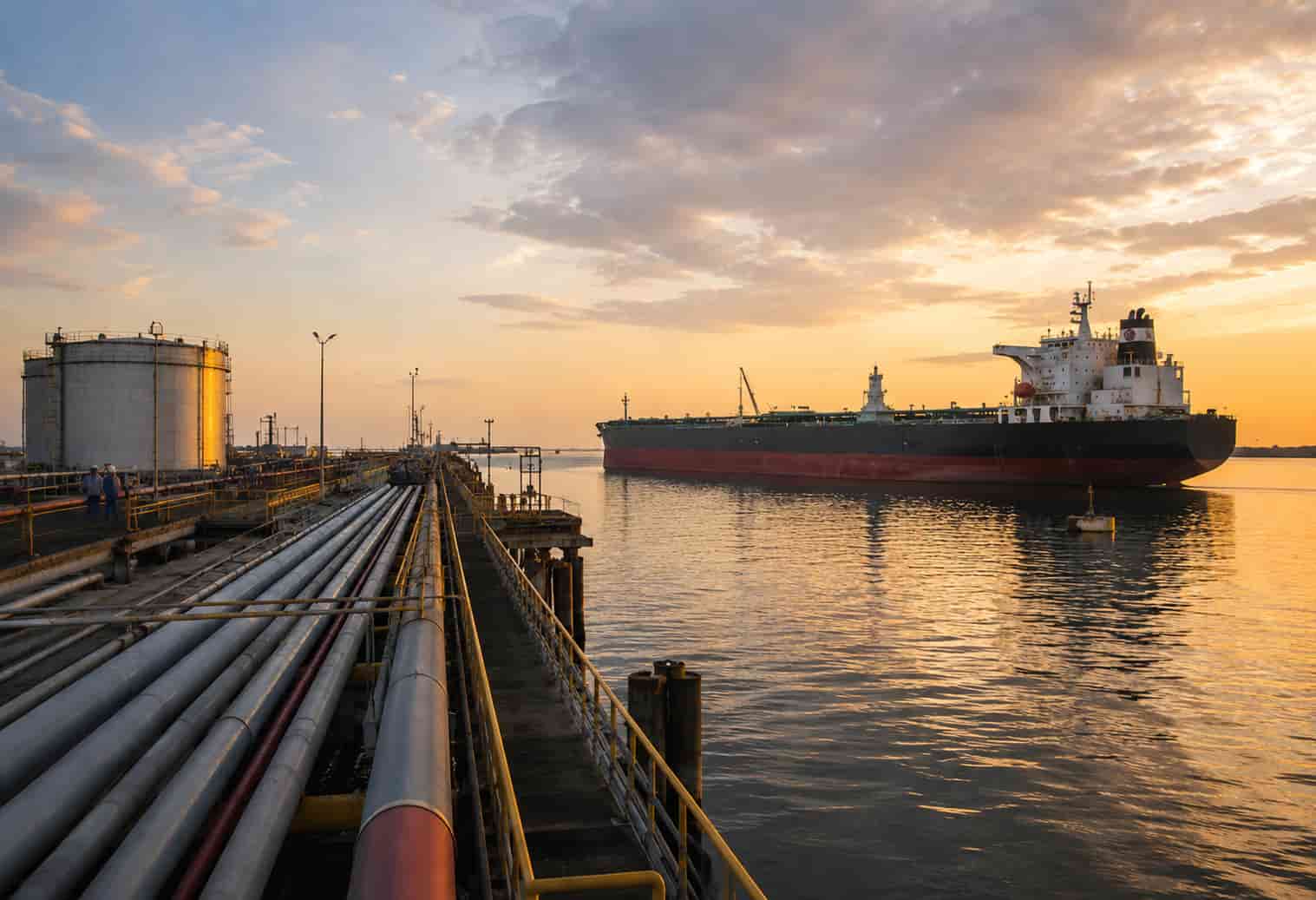
The urgency is not abstract: regional shipping disruption tied to the Hormuz corridor has already dented Adnoc Gas's quarterly earnings, underscoring why Gulf exporters are racing to build processing and export capacity to diversify away from the strait.
This is where the story acquires direct relevance to India. India sources a substantial share of its crude and a growing share of its LNG through the Hormuz corridor, making Gulf capacity expansion and route diversification a live input into New Delhi's energy security calculus rather than a distant commercial development.
Adnoc already has existing ties to India's energy system — including upstream concession participation with ONGC and a stake in India's strategic crude reserve at Mangalore — and an enlarged Ruwais LNG base could become a meaningful new long-term supply option as Indian buyers diversify away from an increasingly volatile mix of Qatari, American and Russian cargoes.
A materially expanded Gulf gas-processing base also has a bearing on the pricing environment for India's LNG import bill, at a time when New Delhi is trying to lift natural gas's share of its primary energy mix.
The details to track are the pace of Ruwais LNG's ramp-up and whether Adnoc Gas formalises new long-term offtake arrangements with Indian buyers as the additional capacity comes online — a step that would convert this Gulf capital-expenditure story into a concrete Indian energy-security outcome.