

OPEC’s planned output increase highlights producer confidence despite Hormuz disruption risks
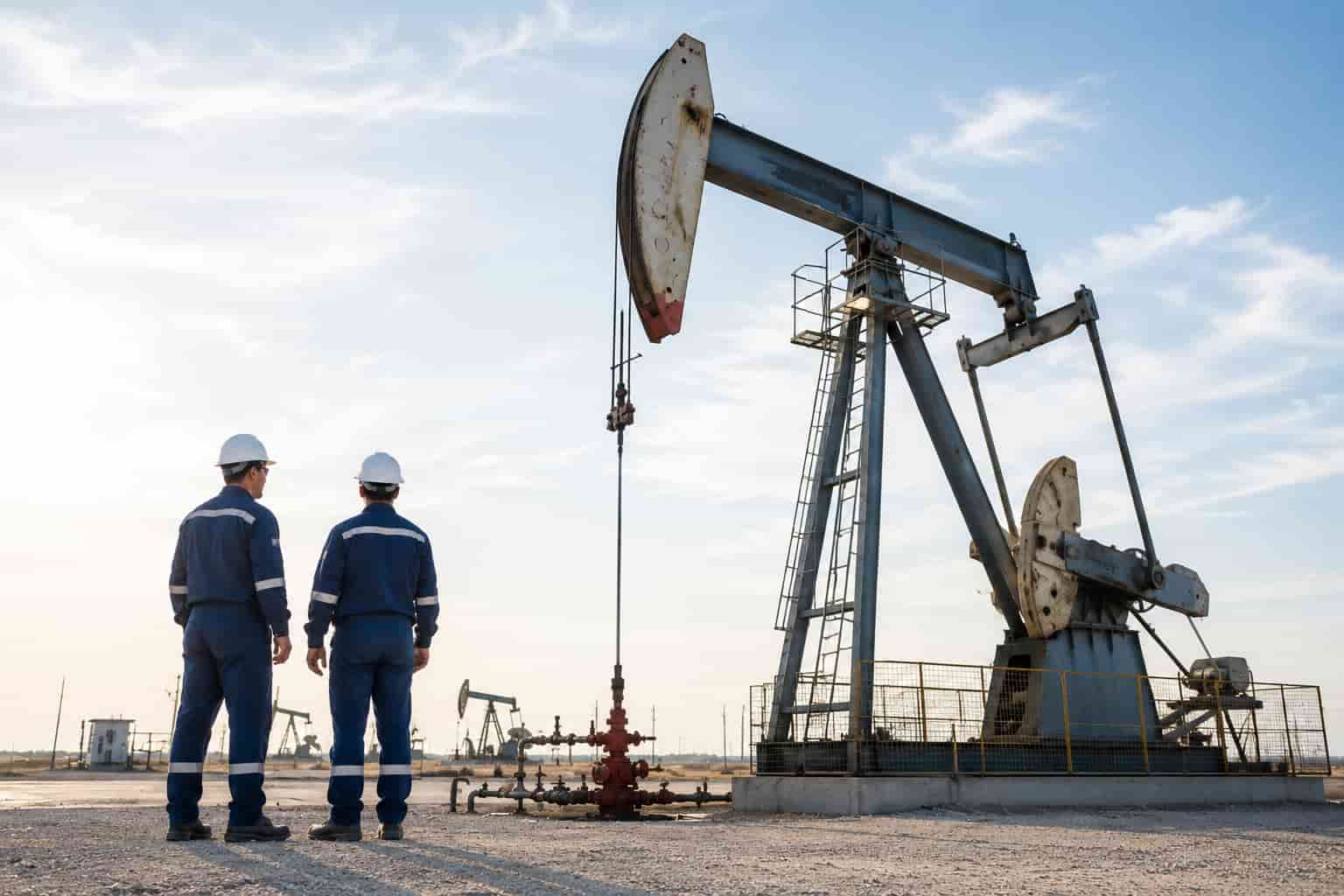
Key members of OPEC and allied producers are expected to support another oil-output increase for July despite persistent geopolitical tensions surrounding the Strait of Hormuz, one of the world’s most strategically critical energy chokepoints.
The move suggests major producers remain more concerned about defending market share and stabilising long-term demand than responding aggressively to short-term geopolitical volatility. The expected increase also reflects producer confidence that current regional tensions are unlikely to trigger prolonged physical disruptions to global crude flows.
The decision comes amid a structurally complex oil market where producers are balancing competing pressures: slower global economic growth, rising non-OPEC supply, energy-transition uncertainties and fiscal requirements of oil-exporting economies.
Saudi Arabia and its allies increasingly appear focused on maintaining long-term influence over global oil pricing rather than engineering sharp price spikes that could accelerate energy-transition policies or weaken consumption growth.
The strategy also reflects intensifying competition from US shale producers and emerging crude suppliers seeking larger shares of Asian markets.
For India, continued OPEC supply additions may provide some short-term relief on import costs and inflation management, particularly as the country remains heavily dependent on imported crude. However, the larger strategic issue remains India’s exposure to geopolitical disruptions in West Asia and maritime energy corridors.
Even if prices remain relatively contained, recurring instability around Hormuz reinforces India’s long-term push towards diversification through renewables, strategic reserves, electric mobility and broader energy-security planning.
Venezuela’s rise as India’s third-largest crude supplier reflects the fragmentation of global oil trade
Venezuela emerged as India’s third-largest crude supplier in May, underscoring how global oil trade flows continue to reorganise amid sanctions, discounted crude markets and geopolitical fragmentation.
Venezuelan crude exports to India have rebounded after changes in US sanctions policy created temporary openings for trade. Indian refiners, particularly those equipped to process heavier crude grades, have increasingly used discounted Venezuelan barrels to optimise refining economics and diversify sourcing strategies.
The development highlights how Asian buyers, especially India and China, are reshaping global energy trade networks by leveraging geopolitical dislocations for cost advantages. India’s crude procurement strategy has become increasingly opportunistic and diversified since the Ukraine war disrupted traditional energy markets.
Russian crude remains dominant in India’s import basket, but Venezuelan supplies demonstrate how refiners are continuing to exploit discounted barrels from politically constrained producers. This reflects a broader transition from rigid long-term sourcing patterns towards more flexible, price-sensitive energy trade behaviour.
Structurally, the shift also illustrates the gradual weakening of older Western-centric energy trade alignments. As sanctions regimes become more complex and energy markets fragment into competing geopolitical blocs, countries like India are increasingly asserting strategic autonomy in energy procurement.
This balancing approach allows India to manage import costs and energy security simultaneously, although it also exposes refiners and policymakers to evolving geopolitical risks linked to sanctions enforcement, shipping insurance, payment systems and diplomatic pressure from competing global powers.