
For decades, India's electricity challenge was simple to describe but difficult to solve: there was never enough power. Policymakers worried about shortages, industries invested in backup generators, and households across many regions became accustomed to power cuts during peak demand.
A new phenomenon is now beginning to emerge in parts of India's electricity market. On certain afternoons, power prices on electricity exchanges are falling sharply, sometimes approaching zero.
At first glance, it may appear to be a sign of weakness in the power sector. In reality, it is increasingly becoming a sign of success.
India is entering an era where clean electricity is becoming abundant.
The country's massive solar expansion is beginning to reshape the economics of power generation, creating periods when electricity supply significantly exceeds immediate demand. If current trends continue, near-zero electricity prices during certain hours of the day may become a regular feature of India's energy landscape rather than an occasional anomaly.
The economics of abundance
For most of modern history, electricity has been a scarce commodity. Building generation capacity required enormous investments in coal plants, gas turbines, dams, and transmission infrastructure. Every additional unit of electricity carried a meaningful cost.
Solar power changes that equation.
Once a solar project is built, generating an additional unit of electricity costs very little. When thousands of megawatts of solar plants produce power simultaneously on sunny afternoons, electricity floods the grid regardless of whether demand is rising at the same pace.
This is already visible in several mature renewable-energy markets around the world.
Countries such as Germany and Australia have experienced periods when wholesale electricity prices collapsed because renewable generation exceeded immediate demand. Parts of California have also witnessed frequent price declines during solar-rich hours.
India may be heading in the same direction.
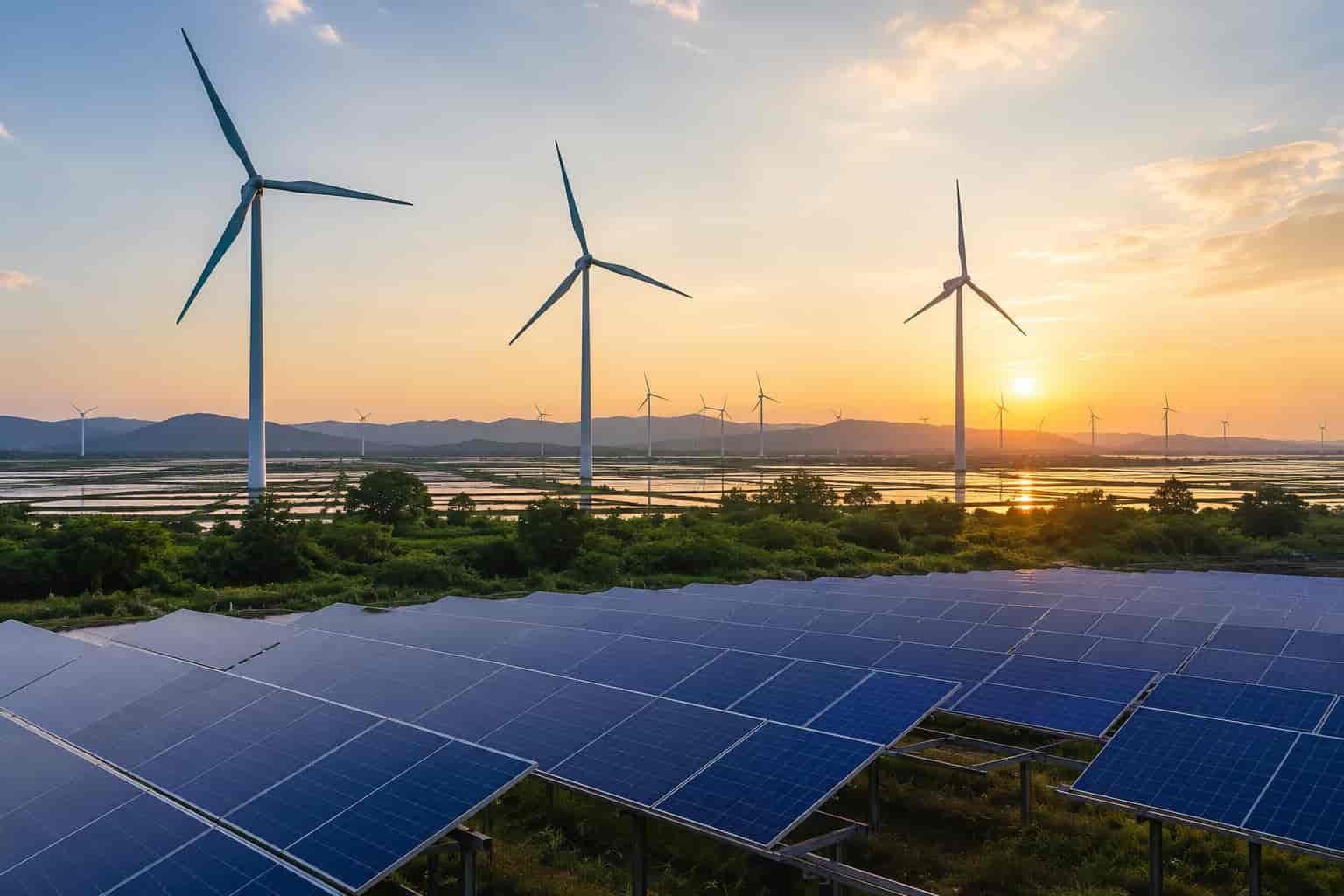
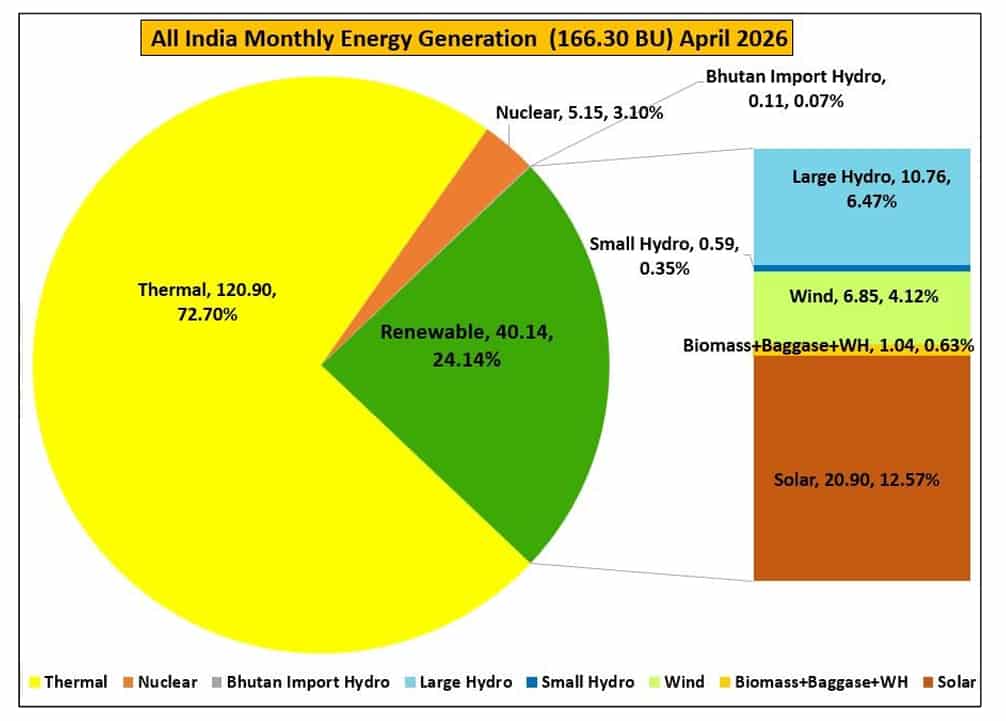
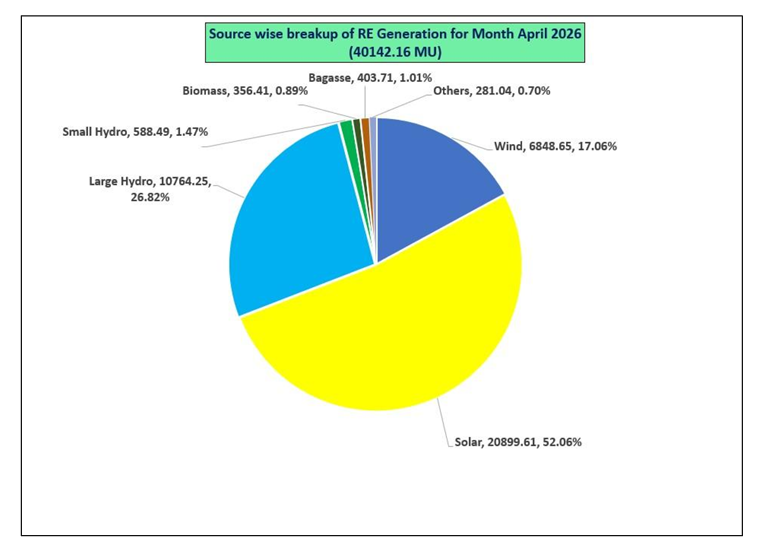
With solar capacity expanding rapidly across states such as Rajasthan, Gujarat, Karnataka and Tamil Nadu, daytime electricity supply is increasingly becoming abundant. The result is downward pressure on market prices during periods of strong solar generation.
A problem that many countries would welcome
Traditionally, energy security was associated with ensuring adequate supplies of fuel and generation capacity. India spent decades worrying about coal shortages, imported fuel costs and electricity deficits.
The emerging challenge is very different.
Instead of asking whether enough electricity can be produced, policymakers and utilities are increasingly confronting a new question: what should be done when large amounts of electricity are available at extremely low cost?
This represents a remarkable shift in India's energy story.
Few developing economies have reached a point where renewable energy begins creating periods of surplus generation. The phenomenon suggests that India's clean-energy investments are beginning to achieve scale large enough to influence market behaviour.
The challenge is no longer simply generating electricity. It is finding productive ways to use abundant clean power.
The biggest winners may be industry
One of the most significant consequences of falling daytime power prices could be the transformation of energy-intensive industries.
Historically, electricity costs have been a major concern for sectors such as steel, aluminium, cement, chemicals and manufacturing. Access to reliable low-cost power can significantly improve competitiveness.
If near-zero electricity periods become more frequent, industries may gradually adapt their operations to take advantage of cheap daytime power.
Factories could schedule energy-intensive processes during periods of abundant solar generation. Industrial consumers may increasingly sign contracts linked to renewable power availability. New manufacturing investments could gravitate towards regions with strong renewable resources.
This could provide India with an unexpected industrial advantage.
Cheap renewable electricity has already become a factor influencing investment decisions in several countries. As global industries seek to decarbonise their supply chains, access to low-cost clean power could become a competitive differentiator.
Green hydrogen could get a boost
The economics of green hydrogen are closely linked to electricity costs.
Producing hydrogen through electrolysis requires large amounts of electricity, making power one of the biggest components of overall production costs.
Near-zero electricity prices could therefore improve the viability of green hydrogen projects.
Rather than viewing surplus solar generation as a problem, developers could increasingly see it as an opportunity to produce clean fuels for industrial use, fertiliser production, refining and potentially exports.
India has ambitious plans to become a major green hydrogen producer. The availability of extremely cheap renewable electricity during certain periods could strengthen that ambition.
In effect, surplus solar power could become a feedstock for future industrial growth.
Data centres and artificial intelligence
Another potential beneficiary of abundant electricity is the rapidly expanding digital economy.
India is witnessing growing investment in data centres, cloud infrastructure and artificial intelligence applications, all of which require substantial amounts of electricity.
Globally, concerns are rising about whether power systems can support the energy demands of AI-driven computing. In India, the growth of renewable energy may help address part of that challenge.
If electricity becomes significantly cheaper during certain hours, operators may increasingly optimise computing workloads around periods of abundant renewable generation.
The convergence of artificial intelligence and renewable energy could become an important feature of India's next phase of economic development.
The risks should not be ignored
Near-zero electricity prices are not universally positive.
For power producers, persistently low prices can affect revenues and investment returns. Market structures designed for traditional generation systems may need adjustment as renewable penetration rises.
Distribution companies may also face operational challenges as electricity flows become more variable.
There is also the question of infrastructure.
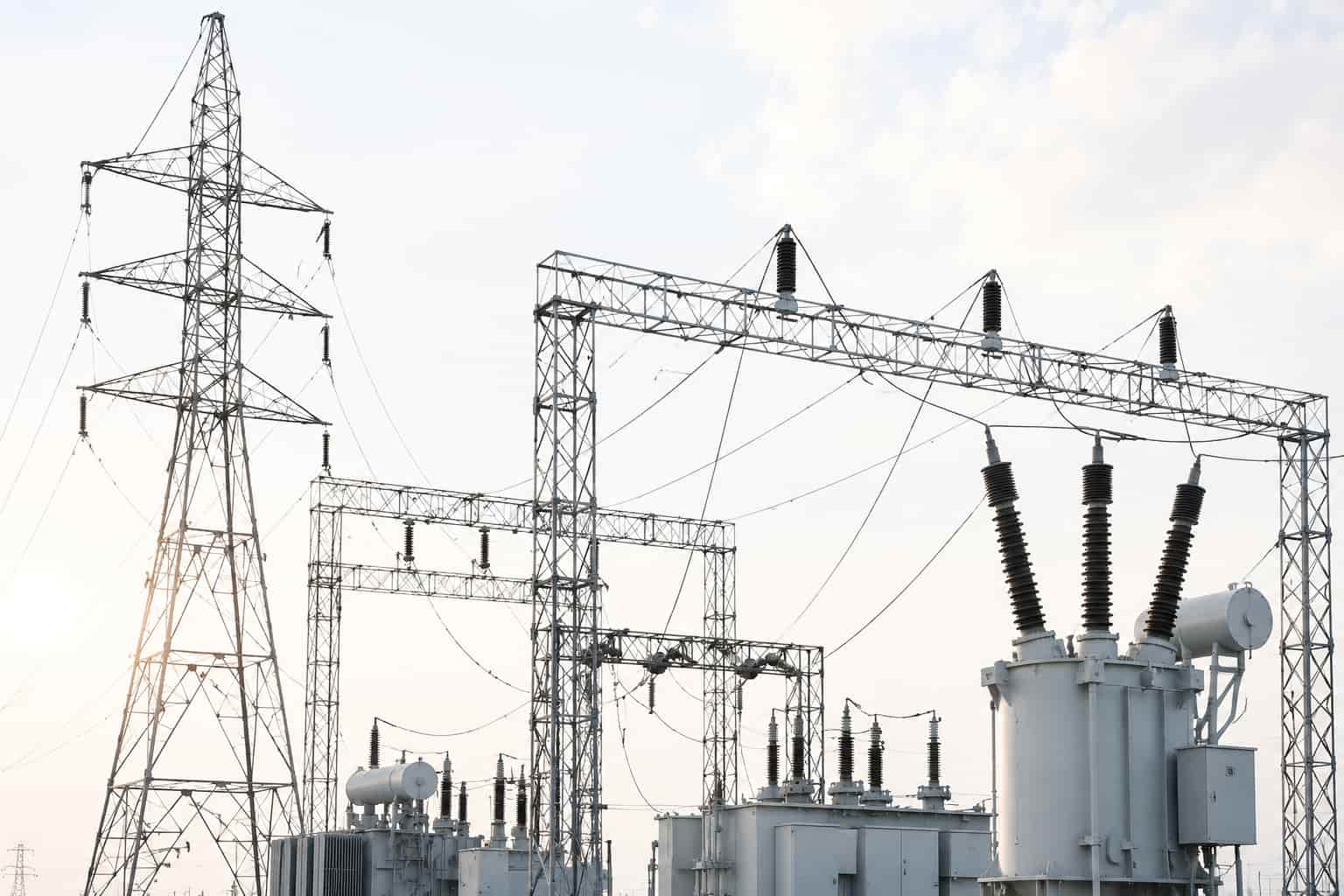
Electricity cannot simply be generated and forgotten. It must be transported, consumed, stored or otherwise utilised in real time. If infrastructure development fails to keep pace with renewable expansion, periods of abundance could create inefficiencies rather than benefits.
The experience of other countries suggests that energy transitions become increasingly complex as renewable penetration rises.
A glimpse of India's future power market
The emergence of near-zero electricity prices offers a glimpse into how India's power sector may evolve over the coming decade.
For years, the country's renewable-energy story focused on capacity additions, tariff reductions and climate commitments. Those goals remain important, but a broader transformation is now underway.
Electricity is gradually becoming not just cleaner but potentially cheaper and more abundant than many analysts once imagined.
This could reshape industrial competitiveness, accelerate new technologies, support green hydrogen production, attract digital infrastructure investments and alter the way businesses consume energy.
The most important question may no longer be whether India can generate enough renewable electricity.
Instead, it may be how effectively the country can harness an abundance of clean power to drive economic growth.
If that transition succeeds, near-zero electricity prices will not be viewed as a market anomaly. They will be seen as evidence that India's energy system has entered a fundamentally new era.