


𝗠𝗼𝗿𝗴𝗮𝗻 𝗦𝘁𝗮𝗻𝗹𝗲𝘆 𝘀𝗲𝗲𝘀 $𝟱.𝟱-𝘁n 𝗔𝘀𝗶𝗮𝗻 𝗲𝗻𝗲𝗿𝗴𝘆 𝗶𝗻𝘃𝗲𝘀𝘁𝗺𝗲𝗻𝘁 𝘀𝘂𝗽𝗲𝗿𝗰𝘆𝗰𝗹𝗲 𝗼𝗻 𝗔𝗜 𝗮𝗻𝗱 𝘀𝗲𝗰𝘂𝗿𝗶𝘁𝘆 𝗱𝗲𝗺𝗮𝗻𝗱
Morgan Stanley Research expects Asian governments and corporates to commit roughly US$5.5 trillion to energy infrastructure over the next five years, comprising US$4.3 trillion in already announced capital expenditure and an additional US$1.2 trillion needed to reduce the region's import dependence from 36% to 29% of consumption by 2030.
The estimate marks a sharp acceleration from the past decade, when energy investment remained broadly flat even as Asian consumption rose by half — a gap the bank argues can no longer hold given the region's exposure to volatile import routes.
The driving force is not energy security alone. Data centre and AI-linked compute demand is now layered on top of traditional industrial and consumer load growth, with Morgan Stanley estimating that data centres could account for roughly one-sixth of all new Asian power demand by 2030.
China leads in capital allocation at US$3.1 trillion, followed by ASEAN and Taiwan, with India's share at US$552 billion — spending the bank links to coal gasification, biofuels and import diversification rather than a single technology bet.
For India, the relevance lies less in the headline number than in the structural logic underpinning it: capital is shifting from incremental capacity addition to energy-system resilience — storage, grid upgrades, refining capacity and diversified fuel sourcing.
As Indian policymakers pursue similar import-reduction goals alongside a 500 GW non-fossil target, the Asia-wide reallocation of capital towards security-linked infrastructure offers a regional benchmark against which India's investment pace can be measured.
The bank cautions that a meaningful share of this spending will still flow into fossil-fuel infrastructure to manage near-term reliability, underlining that Asia's energy transition is proceeding alongside, not in place of, conventional capacity expansion.
(Source: The Business Times)
𝗦𝗪𝗥𝗘𝗟-𝗛𝗮𝘀𝘀𝗮𝗻 𝗔𝗹𝗹𝗮𝗺 𝗝𝗩 𝗯𝗮𝗴𝘀 $𝟱𝟲𝟬-𝗺 𝗘𝗴𝘆𝗽𝘁 𝘀𝗼𝗹𝗮𝗿-𝘀𝘁𝗼𝗿𝗮𝗴𝗲 𝗘𝗣𝗖 𝗼𝗿𝗱𝗲𝗿, 𝗶𝘁𝘀 𝘁𝗵𝗶𝗿𝗱 𝗴𝗶𝗴𝗮𝘄𝗮𝘁𝘁-𝘀𝗰𝗮𝗹𝗲 𝘄𝗶𝗻 𝗶𝗻 𝗻𝗶𝗻𝗲 𝗺𝗼𝗻𝘁𝗵𝘀
Sterling and Wilson Renewable Energy Limited (SWREL), in a 50:50 joint venture with Hassan Allam Construction, has secured an EPC order worth approximately US$560 million for the West Minya Solar Power Project in Egypt's Minya Governorate.
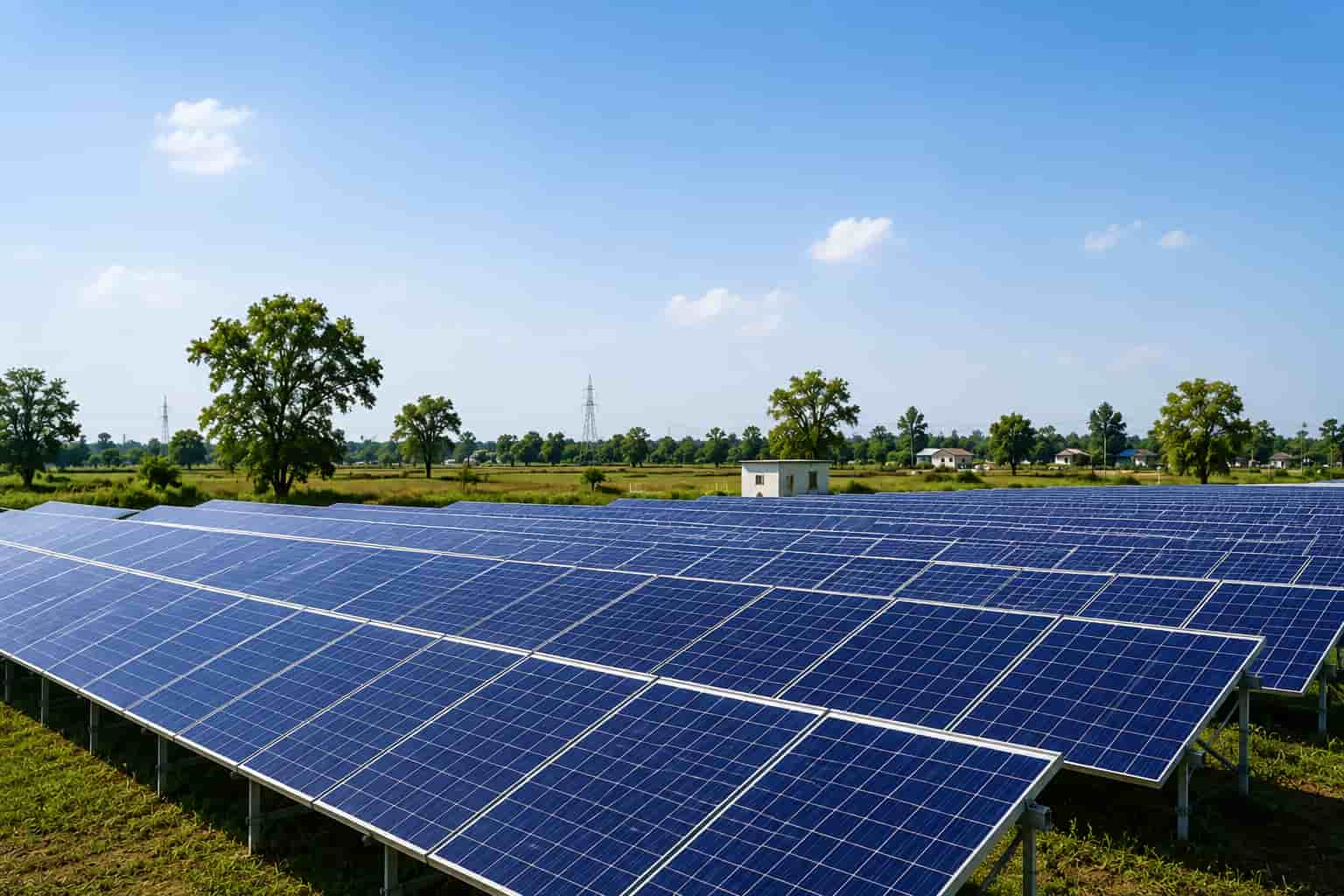
The contract covers a 1,000 MWac solar PV plant integrated with a 600 MWh battery energy storage system. Once commissioned, the project is expected to rank among Egypt's largest utility-scale renewable assets.
The order is notable for its co-location design: rather than treating storage as a downstream add-on, the BESS is built into the EPC scope from the outset, reflecting how large emerging-market solar tenders are increasingly structured around dispatchability rather than raw capacity.
The project's backers, including the European Bank for Reconstruction and Development, Meridiam and Infinity Power, also signal continued multilateral and private appetite for MENA grid-scale renewables despite a higher global rate environment.
For SWREL, an arm of Reliance Industries, the win marks the company's third gigawatt-scale order in nine months, indicating that an Indian EPC player is consolidating execution credibility in complex, storage-integrated international tenders rather than competing primarily on engineering services within India.
The positioning matters as Indian developers and EPC firms look to capture market share in fast-growing North African and Gulf solar-plus-storage markets, where project scale and BESS integration are becoming baseline tender requirements rather than differentiators.
(Source: Business Standard)
𝗣𝗮𝘁𝗵𝗳𝗶𝗻𝗱𝗲𝗿 𝘀𝗲𝗰𝘂𝗿𝗲𝘀 $𝟭𝟭𝟯 𝗰𝗼𝗻𝘃𝗲𝗿𝘁𝗶𝗯𝗹𝗲 𝗯𝗼𝗻𝗱 𝘁𝗼 𝗯𝘂𝗶𝗹𝗱 𝟰𝟬𝟬𝗠𝗪 𝘀𝗼𝗹𝗮𝗿, 𝟮𝟬𝟬𝗠𝗪 𝘀𝘁𝗼𝗿𝗮𝗴𝗲 𝗽𝗼𝗿𝘁𝗳𝗼𝗹𝗶𝗼
UK clean-energy developer Pathfinder Clean Energy (PACE) has secured a €100 million (US$113 million) convertible bond from investment manager RGREEN INVEST to finance a portfolio of nearly 400MW of solar PV and over 200MW of battery storage, alongside its wider development pipeline, including clean data-centre projects.
The financing supports PACE's shift from project developer to owner-operator of clean infrastructure, a transition increasingly common among UK renewables players as long-duration asset ownership becomes more attractive than pure development-and-sale models.
The portfolio is built on a co-location strategy that combines solar generation with storage, consistent with the UK's broader push to pair intermittent renewables with flexible capacity, as Contracts for Difference allocation rounds reward dispatchable, grid-friendly project design.
PACE has already secured eight CfDs covering 250MWp in the latest allocation round, providing financing with a contracted revenue underpinning rather than purely merchant exposure.
While modest in scale relative to Asia's headline investment figures, the deal illustrates a financing pattern relevant to India's solar-storage buildout: convertible bond structures from specialist green investors are emerging as a way to fund construction-stage co-located portfolios without diluting equity outright, a model that Indian developers pursuing similar hybrid assets may increasingly draw on as domestic storage tenders’ scale.
(Source: PV Tech)
Follow us on : X | LinkedIn | Facebook | Bluesky