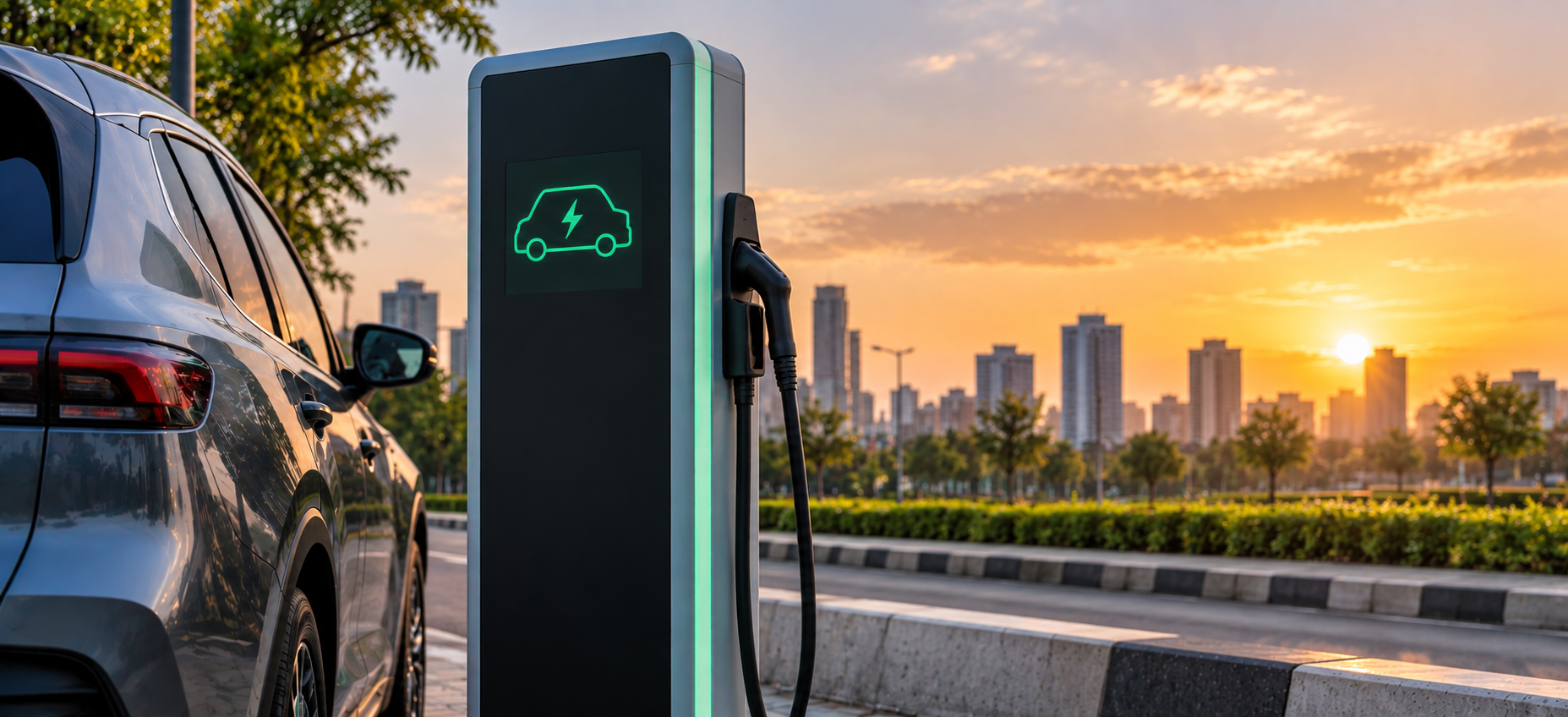


Electrification of transportation alone would not ensure decarbonisation; the charging of electric vehicles has to be through green energy sources for India to succeed in reducing its carbon footprint says a new report.
The report has been prepared by Deloitte Touche Tohmatsu India LLP with funding from The Deutsche Gesellschaft für Internationale Zusammenarbeit GmbH (GIZ) and support from NITI Ayog, the apex public policy think-tank of the Government of India.
India's electric vehicle (EV) adoption is currently in its early stages but is anticipated to experience significant growth. Nonetheless, the increased penetration of EVs presents three primary challenges for the country.
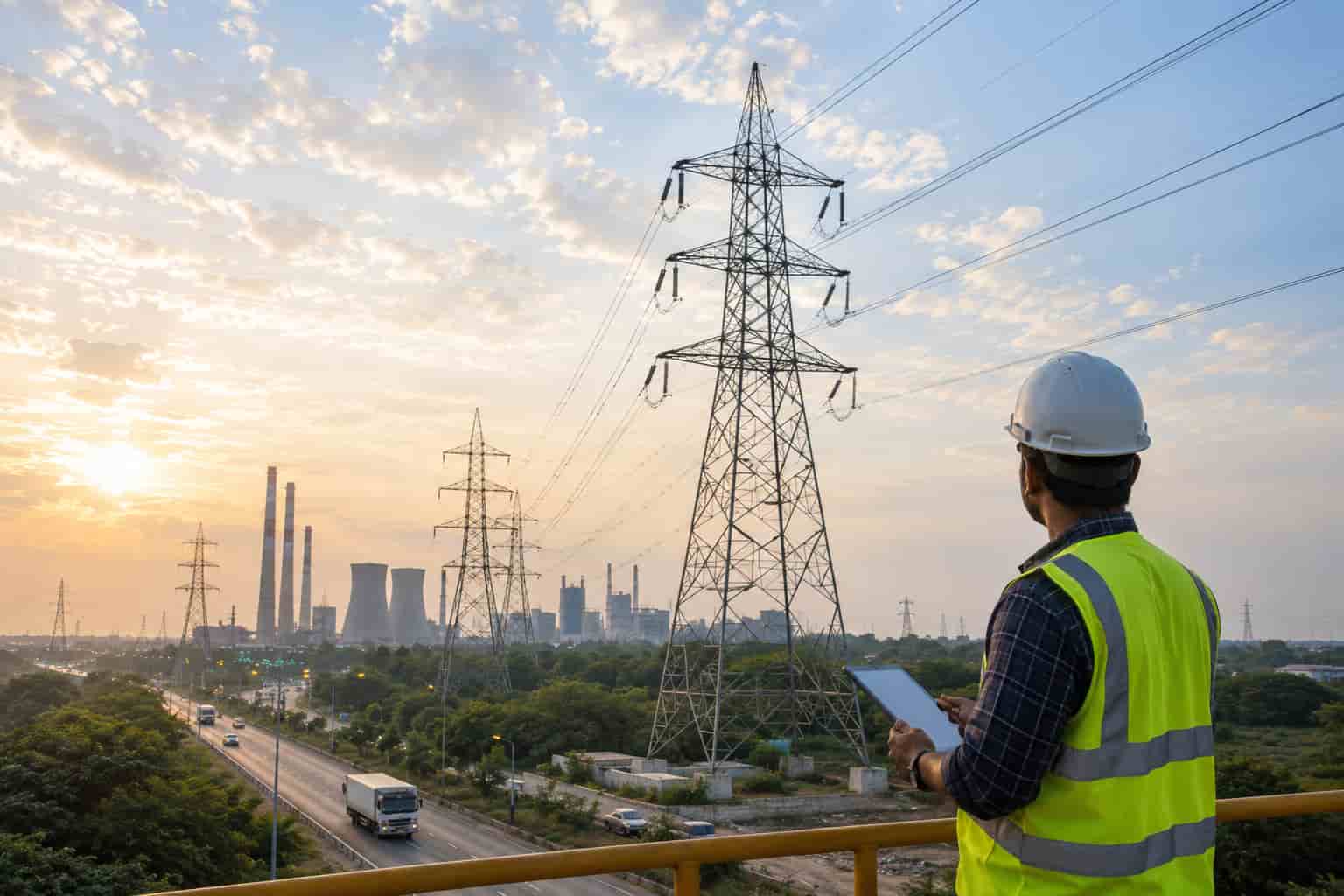
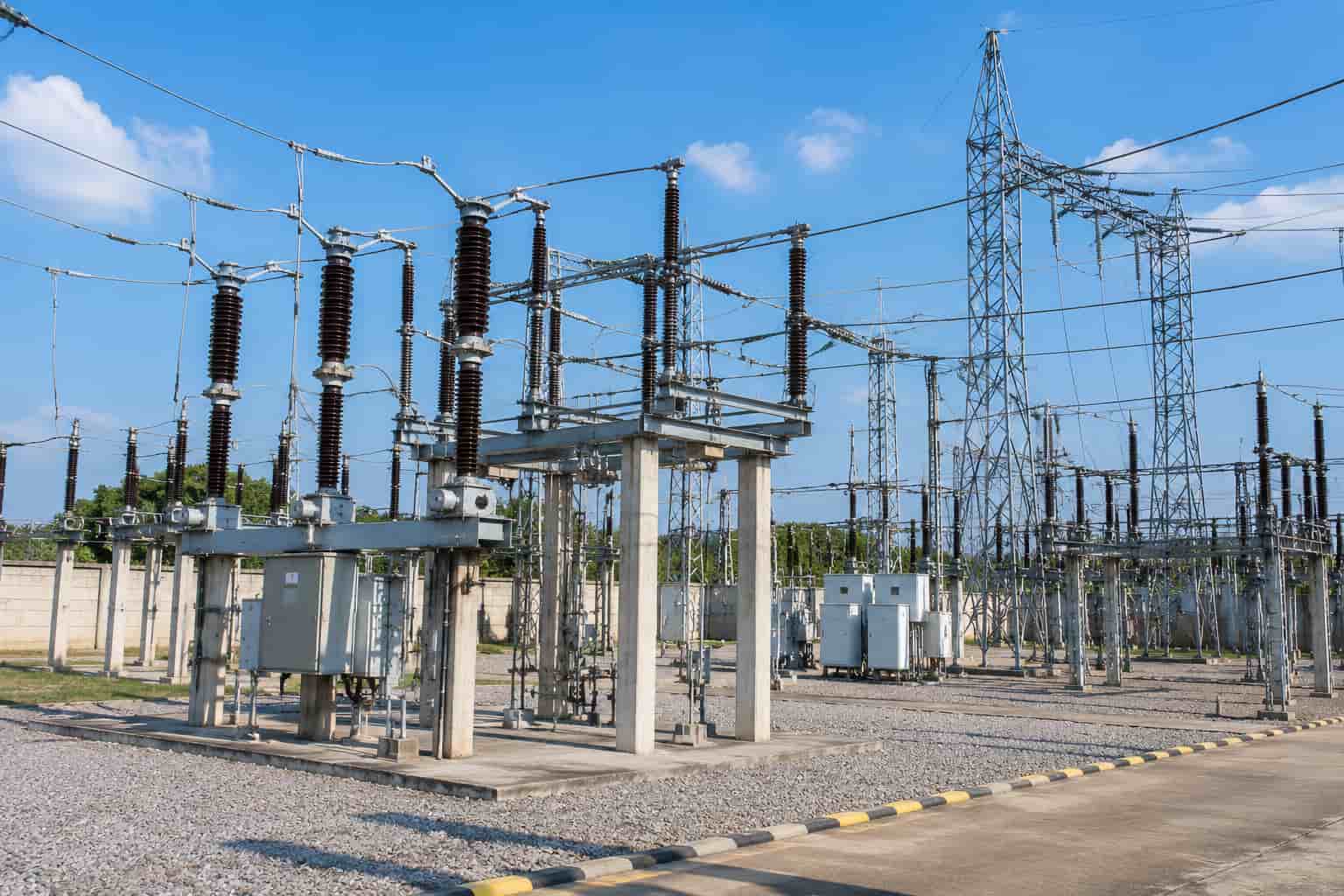
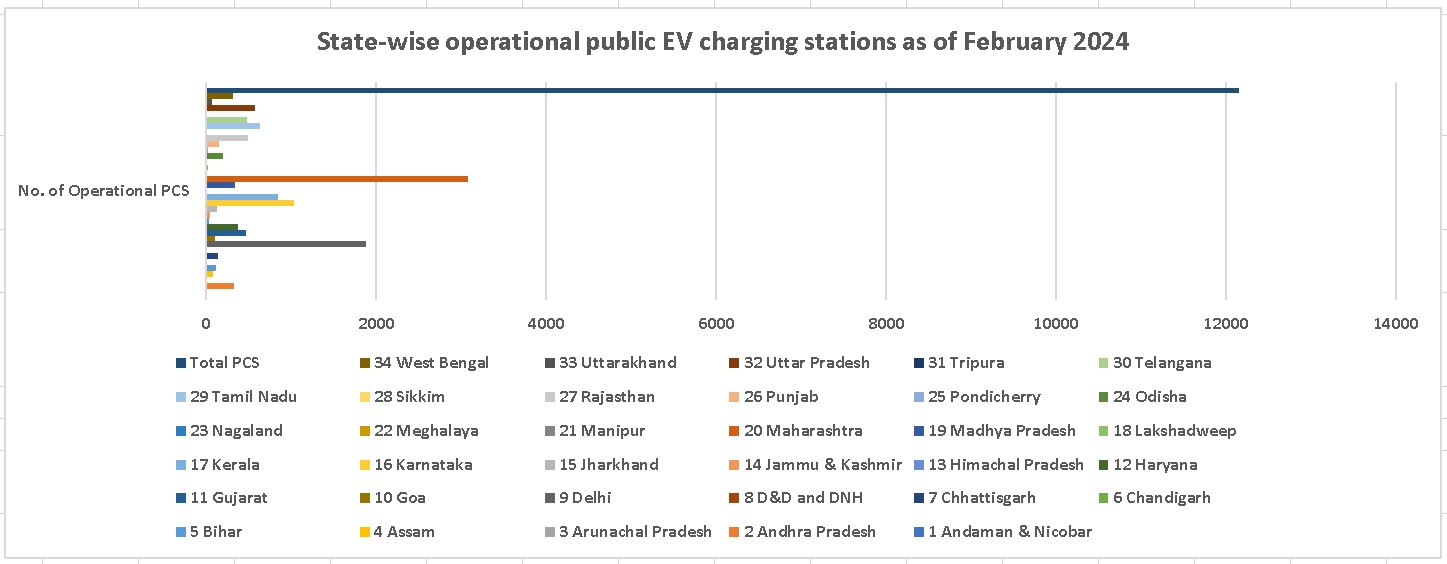 The initial obstacle arises from the mounting strain on the grid infrastructure.
With a surge in the number of EVs drawing power from the grid, the local distribution network faces heightened pressure. However, integrating charging operations with renewable energy (RE) generation from decentralized sources offers a promising solution.
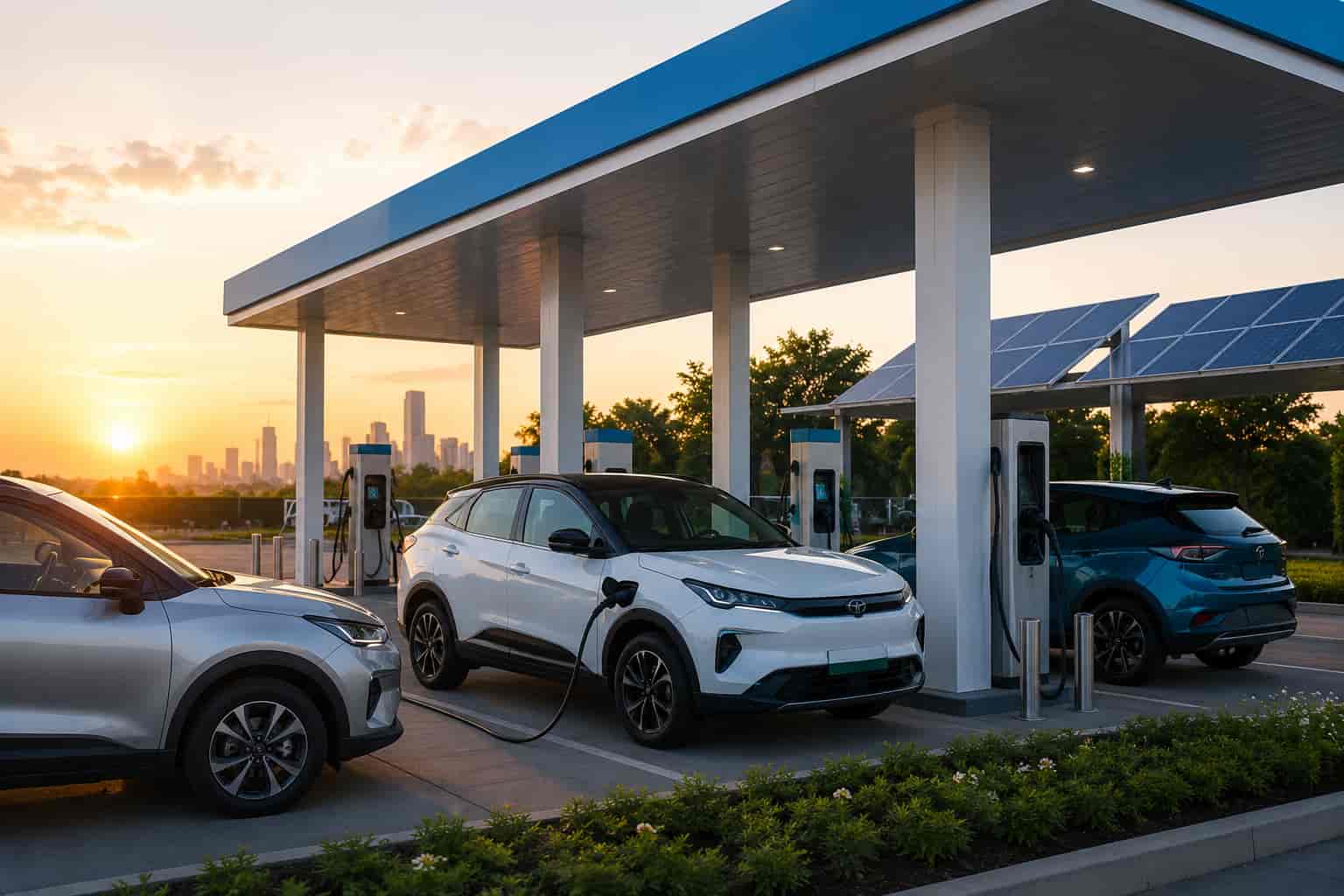
This strategy reduces reliance on the grid for charging needs. For instance, by incorporating solar panels into the facilities of charging stations, EVs can be powered without adding to the grid's load. This not only mitigates grid congestion but also promotes sustainability by harnessing clean energy alternatives.
The secondary challenge lies in the growing reliance on traditional energy sources.
As the demand for EV charging rises during peak hours or times of low RE availability, it necessitates the activation of more expensive conventional generation methods to meet this demand. Consequently, there is a heightened dependence on conventional energy sources, resulting in an escalation of power purchase costs for Distribution Companies (DISCOMs).
This scenario underscores the pressing need for strategies to mitigate reliance on non-renewable energy and promote the integration of cleaner, more sustainable power generation methods.
The tertiary challenge revolves around emissions and pollutants.
While EVs produce minimal tailpipe emissions, the transition to EVs will not achieve emission-free status unless EV charging is coupled with renewable energy sources. This underscores the critical importance of integrating renewable energy into the charging infrastructure to truly realize the environmental benefits of EV adoption. Failure to do so perpetuates reliance on conventional energy sources, thereby perpetuating emissions and pollutants in the transportation sector.
Therefore, the adoption of RE for EV charging represents the path forward to achieve a sustainable transition from conventional vehicles to EVs. This approach is imperative for the country to ensure a seamless and environmentally friendly shift in its transportation paradigm. By prioritizing RE-based charging infrastructure, the nation can significantly reduce its carbon footprint and advance towards a more sustainable future in the realm of transportation.
Over the last few years, the government has been taking steps to electrification of the auto landscape through initiatives like the National Electric Mobility Mission Plan (NEMMP) 2020 and the Faster Adoption and Manufacturing of Electric Vehicles (FAME) schemes.
The government has been at the forefront of these efforts to realise decarbonisation and promote a sustainable future. Identifying the levers for decarbonising electric vehicle charging, GIZ’s research, ‘Power Market Reforms to Enable Renewable Energy-based Electric Vehicle Charging in India’, aims to understand the challenges and opportunities.
It covers the existing policy, regulatory, and technological landscape in India for electric vehicle charging to complement renewable energy power generation and efficient grid management.
Three Indian cities, Bengaluru, Kolkata, and Panaji were identified to assess the situation and preparedness for renewable-based electric vehicle charging. The cities provide a view of the regions that vary on renewable energy and electric vehicle spectrums.
Karnataka, for example, has good potential with significant renewable energy resources and it comes as no surprise that Bengaluru its capital city has a large number of electric vehicles plying on the roads. Bangalore Electricity Supply Company Limited (BESCOM) for example, is setting up charging stations throughout the city.
West Bengal’s regulations on open access create a conducive environment for renewable energy adoption and its capital city Kolkata has untapped renewable energy sources. The city also experienced good growth in electric vehicle charging infrastructure setups and electric vehicles.
Goa is the leading state in India in terms of vehicles per capita although it has fewer developed renewable energy sources within its limits. Yet there has been a substantial increase in electric vehicle sales in recent years.
The report pinpoints the gaps in these three cities as against the international best practices and offers recommendations to bridge the gaps whether it is financial, policy, regulations, or technological aspects.
The report aims to absorb insights gained from the research conducted on the aforementioned aspects and formulate policy and regulatory recommendations to facilitate the adoption of renewable energy-based electric vehicle charging.
Kindly follow us for update on: