

Last week’s report flagged forty-five power plants running critically low on coal. That number has since climbed to fifty.
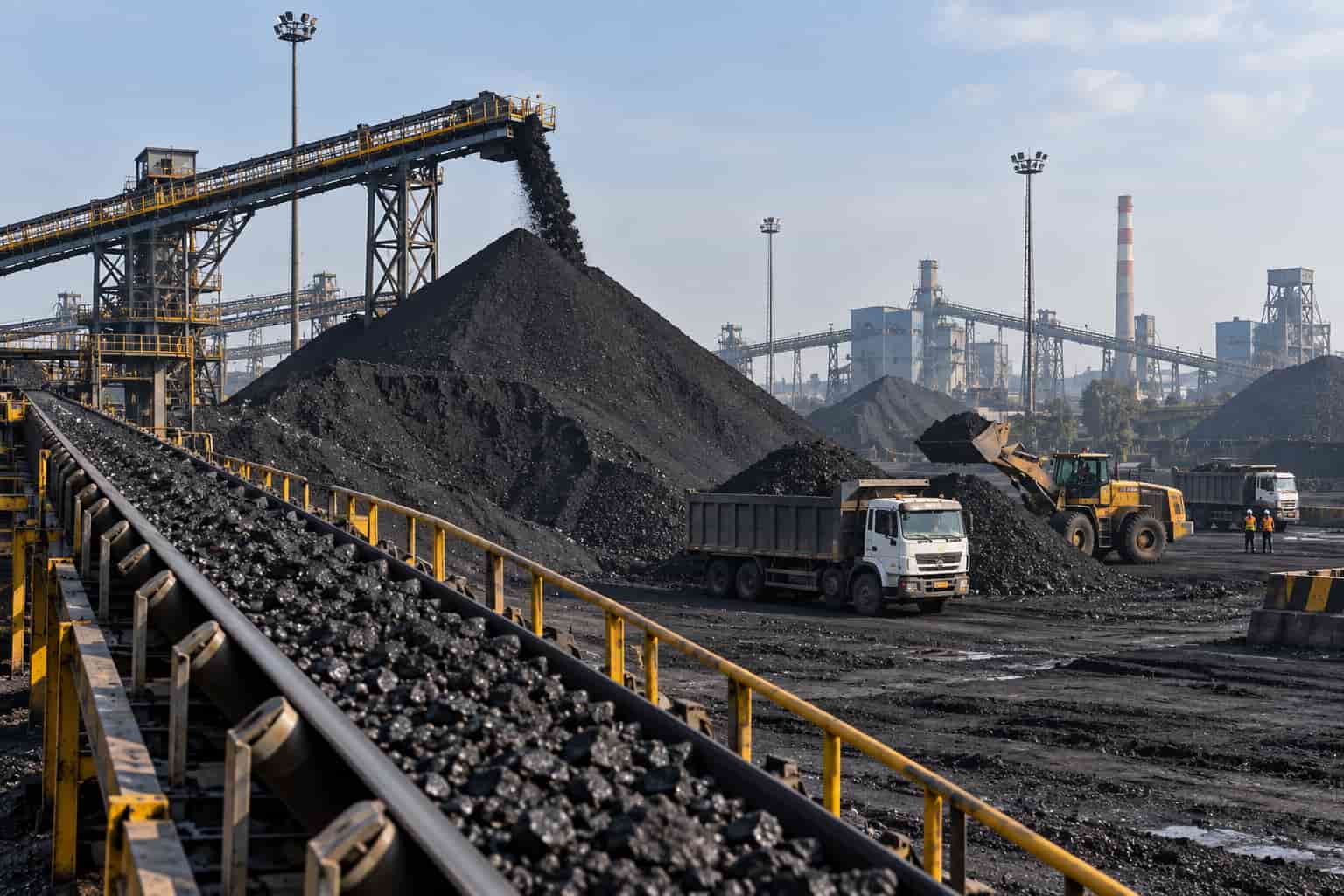
Government data through early September showed these plants, with a combined capacity of around 224 GW, holding just 28.2 million tonnes of coal against a prescribed requirement of 58.7 million tonnes — only 48% of the normative level, recent government-linked data shows. That works out to roughly nine days of consumption at typical load, against a normal cushion of about nineteen days.
“The stress is no longer confined to a handful of stations near the coalfields; it is now showing up in plants that had comfortable buffers as recently as July,” an executive at a leading thermal utility said, describing rail evacuation, not mining capacity, as the persistent bottleneck.
Coal India’s own numbers turn more puzzling
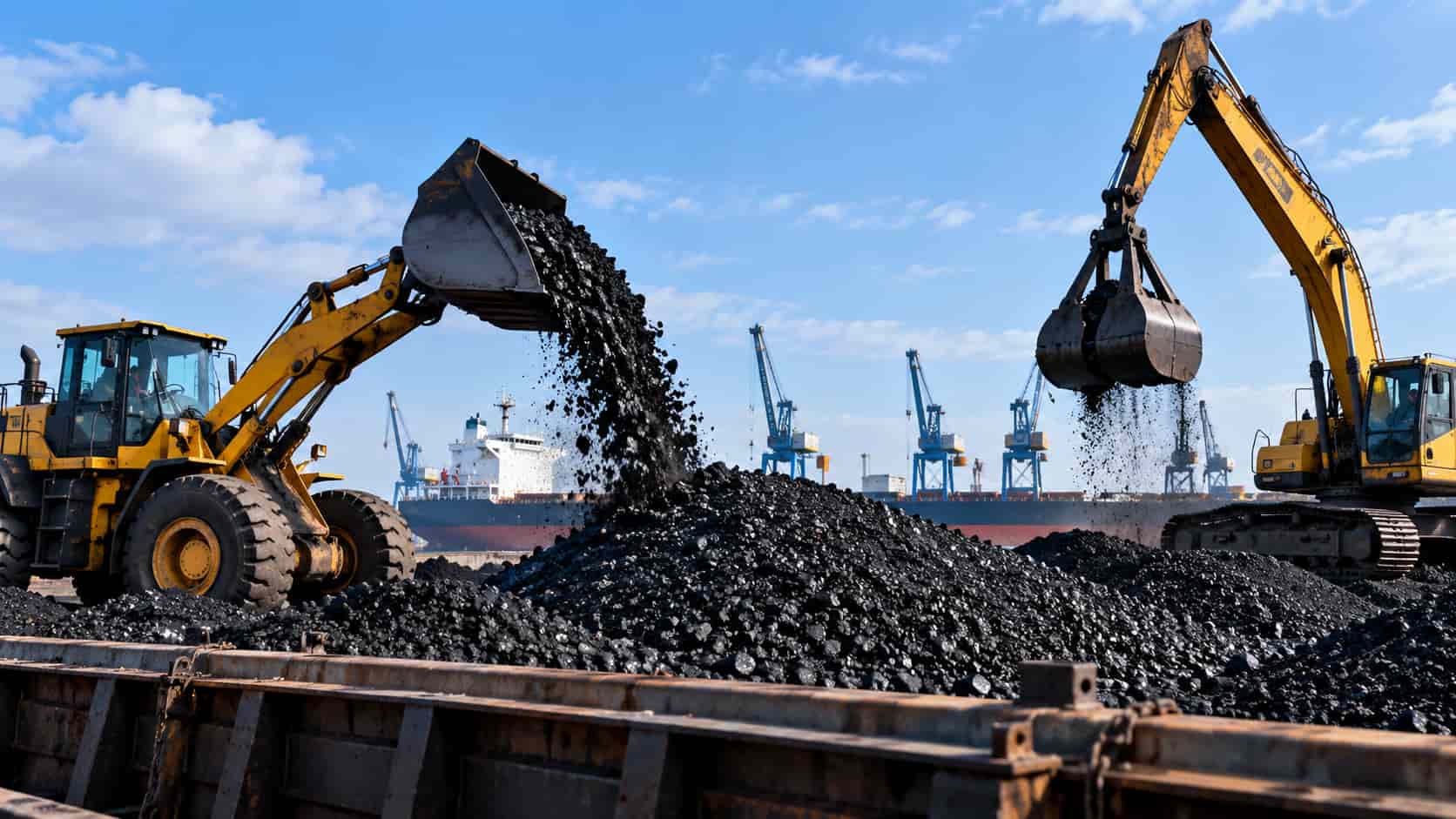
The more striking domestic development this week was Coal India’s August performance. Production fell 5.72% year-on-year to 47.52 million tonnes, a clear reversal from July’s rebound, even as total supplies rose 5.5% to 60.60 million tonnes, company-linked data indicates. That gap between falling output and rising dispatch means Coal India is drawing down its own pithead stockpiles to keep power plants supplied, a strategy with an obvious limit if production does not recover soon.
The clearest signal of just how tight the market has become sits in the e-auction data.
Coal India’s average e-auction premium over notified linkage prices reached 59% in August, investor-facing data shows, a sharp jump from the 35-47% range seen earlier in the year. That widening gap between regulated linkage pricing and what market-linked buyers are willing to pay is arguably the clearest domestic price signal of the week, and it points the same way as the stock data: demand for assured supply is outrunning what the mining system can comfortably deliver.
Global benchmarks rise even as China’s coal era peaks
Newcastle thermal coal closed at US$148.65 a tonne on 4 September, an eleven-week high, up 13.6% over the past month and nearly 39% higher than a year earlier, commodity market data shows. Robust global energy demand and lingering supply risk continue to underpin the rally.
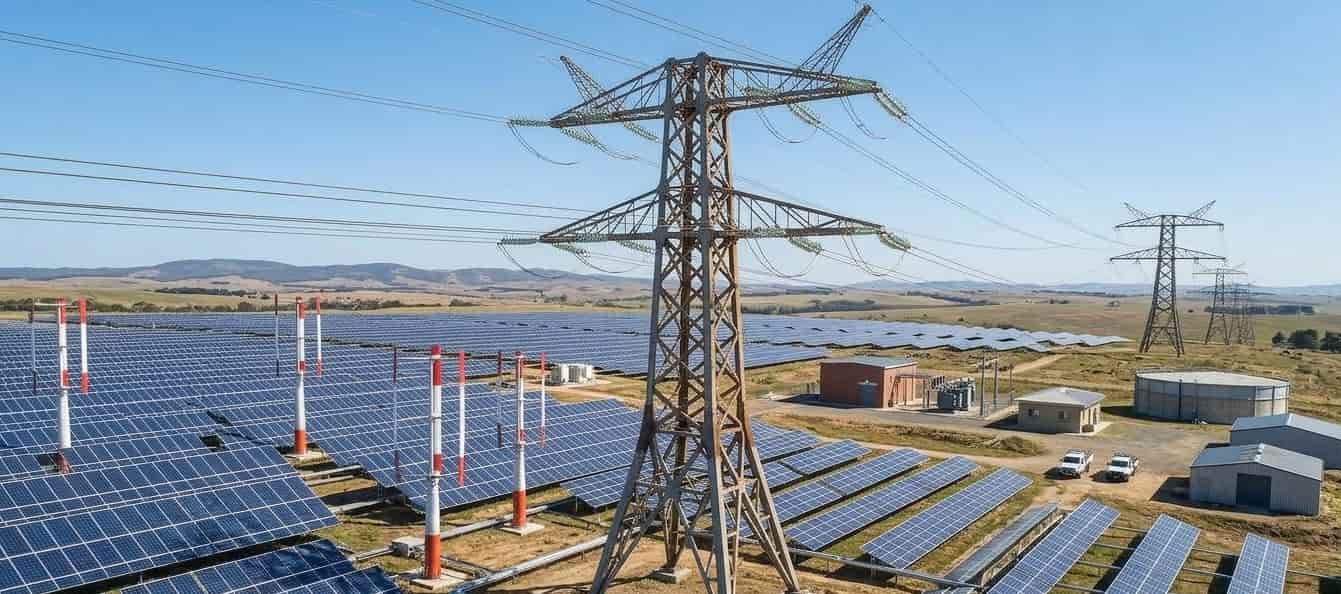
China’s National Energy Administration confirmed that the country’s installed solar capacity, at 1.286 billion kilowatts, has overtaken coal-fired capacity for the first time, official data confirms.
Coal’s share of China’s actual power generation had already slipped below 50% in the first half of 2026. The juxtaposition is instructive: even as the world’s largest coal consumer crosses a symbolic transition threshold, seaborne prices are climbing toward multi-month highs. That tells us this rally is being driven by tight near-term logistics and supply discipline rather than any underlying resurgence in Chinese coal appetite, a distinction Indian buyers planning term contracts would do well to note.
A rare bit of relief on landed cost
Not everything moved against Indian buyers this week. The rupee actually firmed against the dollar, moving from around ₹95.14 at the start of the window to roughly ₹94.66 by 5 September, currency-tracking data shows.
That modest appreciation, close to half a per cent, has partially offset the Newcastle rally for importers settling dollar-denominated cargoes this week, even if it does nothing to solve the physical evacuation bottleneck at home.
Policy: A coal exchange edges closer, and a giant subsidiary heads to market
On regulation, the Ministry of Coal’s notified Coal Exchange Rules, 2026 continue to take shape on the ground. The Multi Commodity Exchange has incorporated a dedicated subsidiary, MCX Coal Exchange of India, with SEBI having cleared the investment under SECC Regulations, though final operating licences from the Coal Controller’s Organisation and the Indian Bureau of Mines remain pending, exchange-linked reporting indicates.
MCX has committed ₹200 crore (US$21m) between coal and mineral platforms.
“A functioning coal spot exchange would finally give industrial buyers a transparent reference price instead of relying on notified and e-auction rates that move in different directions,” a senior official at the Ministry of Coal said.
Separately, Mahanadi Coalfields — Coal India’s largest and most profitable subsidiary, producing 218.31 million tonnes in FY26, or 28.4% of the parent’s output — filed its draft red herring prospectus for a 10% stake sale via an offer for sale of 66.18 crore shares, filing details show. The subsidiary reported FY26 revenue of ₹30,549.6 crore (US$3.2bn) and profit of ₹10,698.1 crore (US$1.1bn), with reserves sufficient for roughly forty-five more years of production at current rates.
The listing follows Bharat Coking Coal’s strong market debut in January and continues Coal India’s value-unlocking push, though it also means the parent will lean more heavily on a subsidiary whose own quarterly profit slipped slightly, to ₹2,399 crore (US$255m), even as revenue grew.
The transition debate keeps sharpening
None of this happens in isolation from the wider energy conversation. India’s own coal-fleet flexibility challenge, examined earlier by Indoen Energy, now sits alongside a supply-security problem that is getting worse rather than better, even as Beijing marks the moment coal stopped being China’s largest power source by capacity.
For India, the gap between physical coal availability and market pricing signals is the story to watch heading into the autumn restocking season.
Readers wanting the granular weekly import breakdown can find it in Indoen’s Coal Watch tracker, which recorded a sharp fall in arrivals for 23-29 August.
Follow us on : X | LinkedIn | Facebook | Bluesky