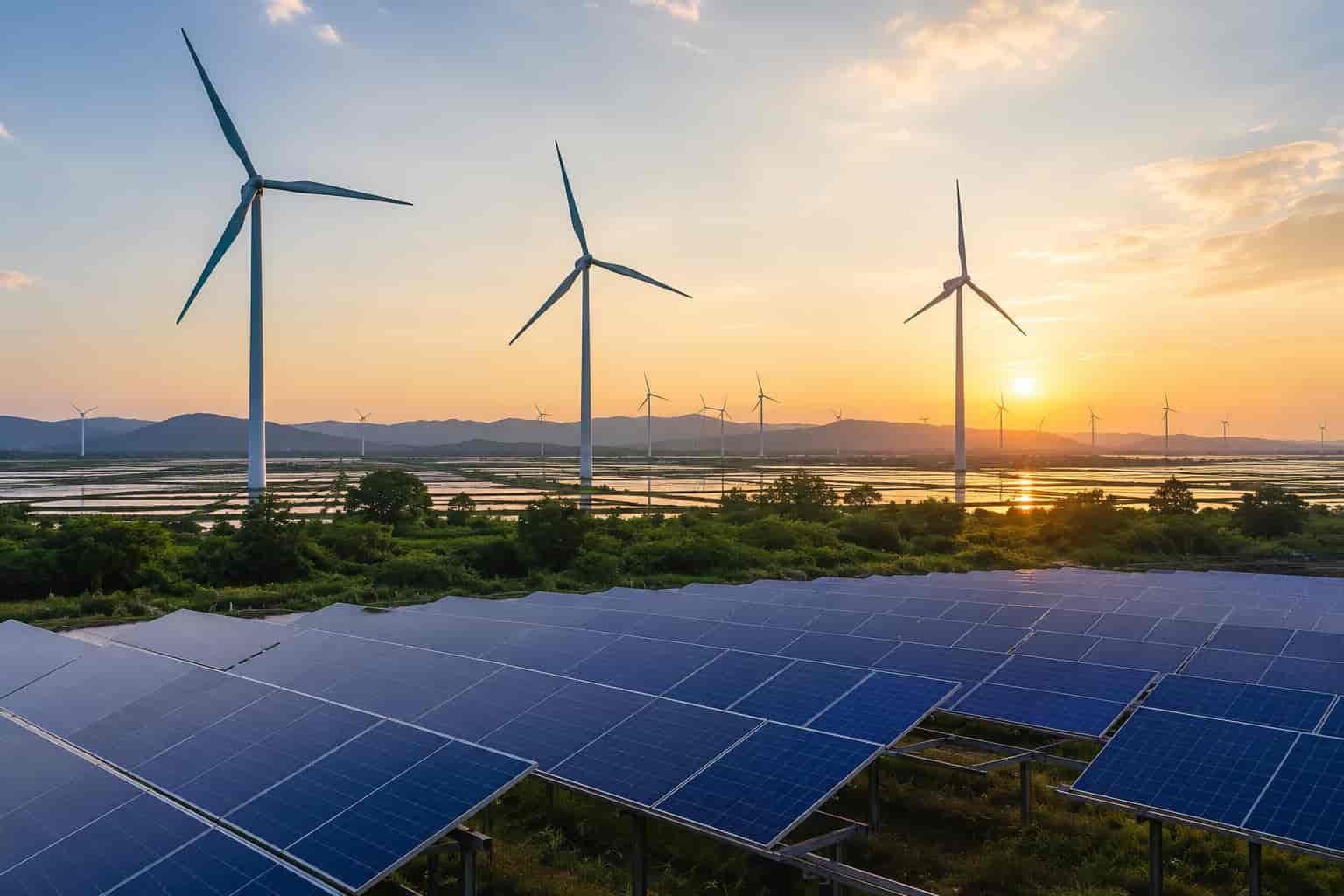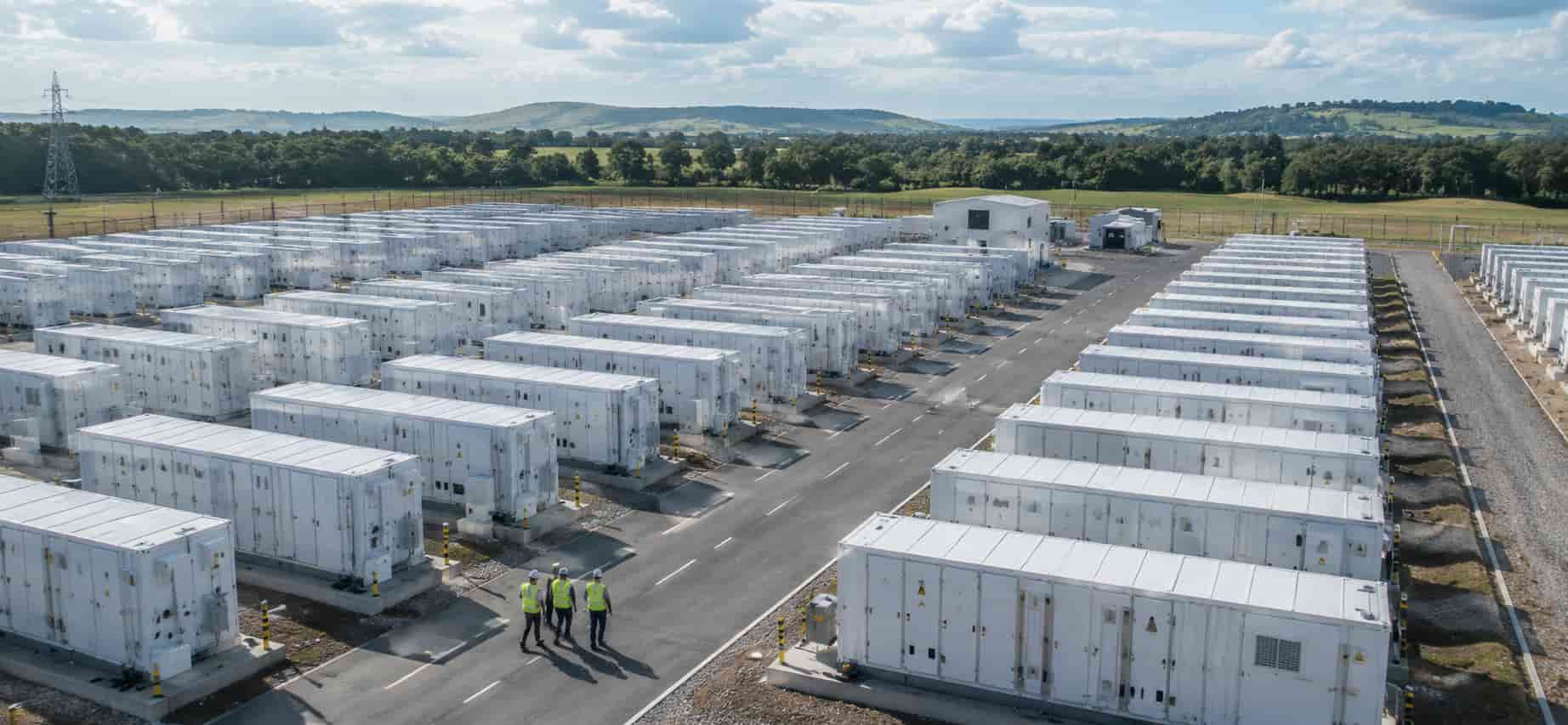

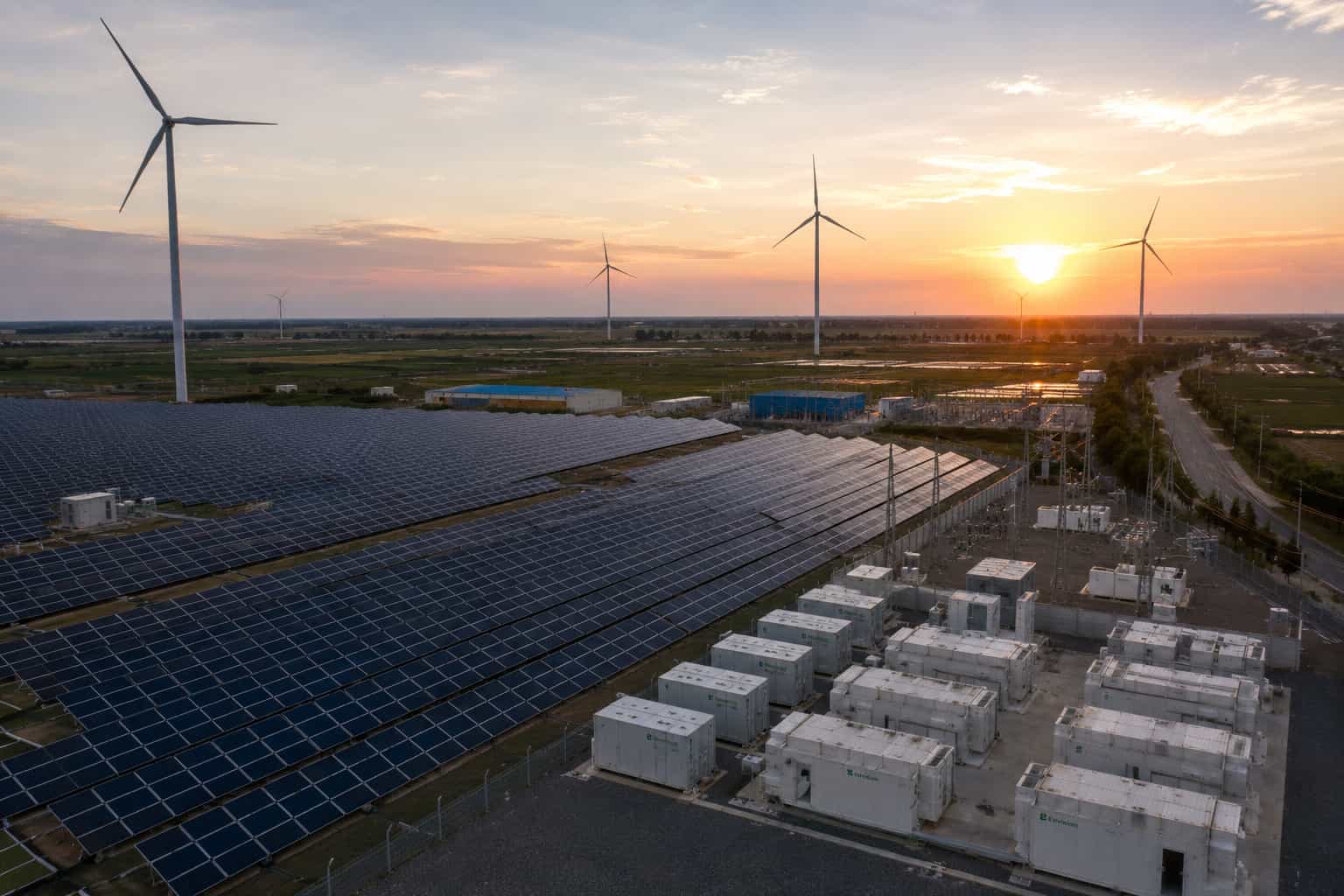

India’s renewable-energy sector witnessing nearly $2 billion worth of clean-energy deals reflects the deepening financialisation of the country’s energy transition.
Beyond the headline investment numbers, the development points to a broader restructuring of infrastructure capital flows as investors increasingly reposition themselves around long-duration energy assets tied to decarbonisation, electrification and industrial transformation.
The growing pace of acquisitions, joint ventures and strategic investments suggests that India’s renewable sector is entering a more mature phase where consolidation, asset optimisation and scale economics are becoming central.
Early-stage project development is gradually giving way to institutional capital participation involving infrastructure funds, pension capital, sovereign investors and large conglomerates seeking stable long-term returns from energy infrastructure.
This shift has significant implications for India’s broader industrial economy. Renewable energy is no longer being treated merely as an environmental or policy sector; it is becoming a core infrastructure asset class influencing manufacturing investment, industrial competitiveness and digital-economy expansion.
As electricity demand rises from data centres, green manufacturing and electrified mobility, clean-energy assets are increasingly viewed as strategic economic infrastructure.
The trend also reflects India’s growing attractiveness within global energy-capital markets at a time when geopolitical uncertainty, supply-chain fragmentation and energy-security concerns are reshaping international investment priorities.
However, the sector’s long-term sustainability will depend on transmission expansion, storage integration, financing discipline and policy stability — particularly as competition intensifies and project margins compress.