
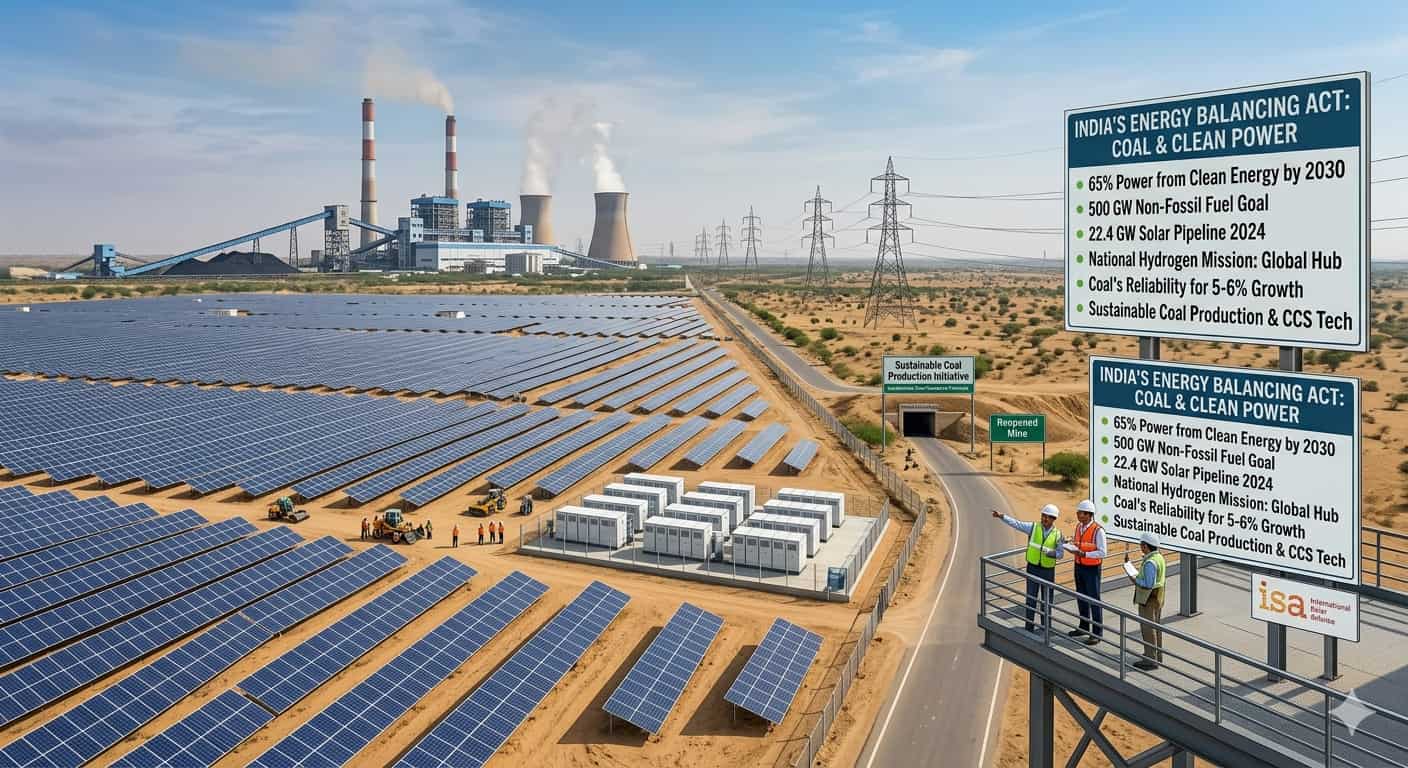
India stands at the cusp of a significant energy transformation, striving to reconcile its rapidly growing power demand with its ambitious climate goals. As the world’s third-largest emitter of greenhouse gases, the country is steering a dual course: boosting its renewable energy capacity while ensuring reliable coal-based energy. Recent announcements and developments illustrate this balancing act, underscoring India’s pivotal role in the global energy landscape.
An unprecedented renewable energy push
Solar energy remains the cornerstone of India’s renewable strategy. With 22.4 GW of solar projects in the pipeline for 2024, the country is on track to surpass its annual installation records. Landmark projects, such as the Bhadla Solar Park, have positioned India as a global leader in renewable energy development. However, challenges persist. Land acquisition, policy inconsistency, and financing gaps are hurdles that developers must overcome to sustain momentum.
In parallel, the wind energy sector is witnessing renewed focus. Although trailing behind solar in terms of growth, 3.6 GW of wind power capacity is expected to be added in 2024. Coastal states such as Tamil Nadu and Gujarat hold immense potential, but infrastructure bottlenecks and high costs remain barriers to rapid expansion.
India’s renewable energy ambitions extend beyond its borders. Recent agreements to operationalize solar projects in Fiji, Comoros, Madagascar, and Seychelles underscore India’s commitment to global green energy partnerships. These projects highlight the strategic role of renewable energy in India’s foreign policy, fostering goodwill and strengthening ties with small island developing states.
Through such initiatives, India is not only exporting its solar expertise but also playing a leadership role in addressing the unique vulnerabilities of island nations to climate change. These partnerships complement the goals of the International Solar Alliance (ISA), which India co-founded to promote solar energy adoption worldwide.
Tackling intermittency: Energy storage and green hydrogen
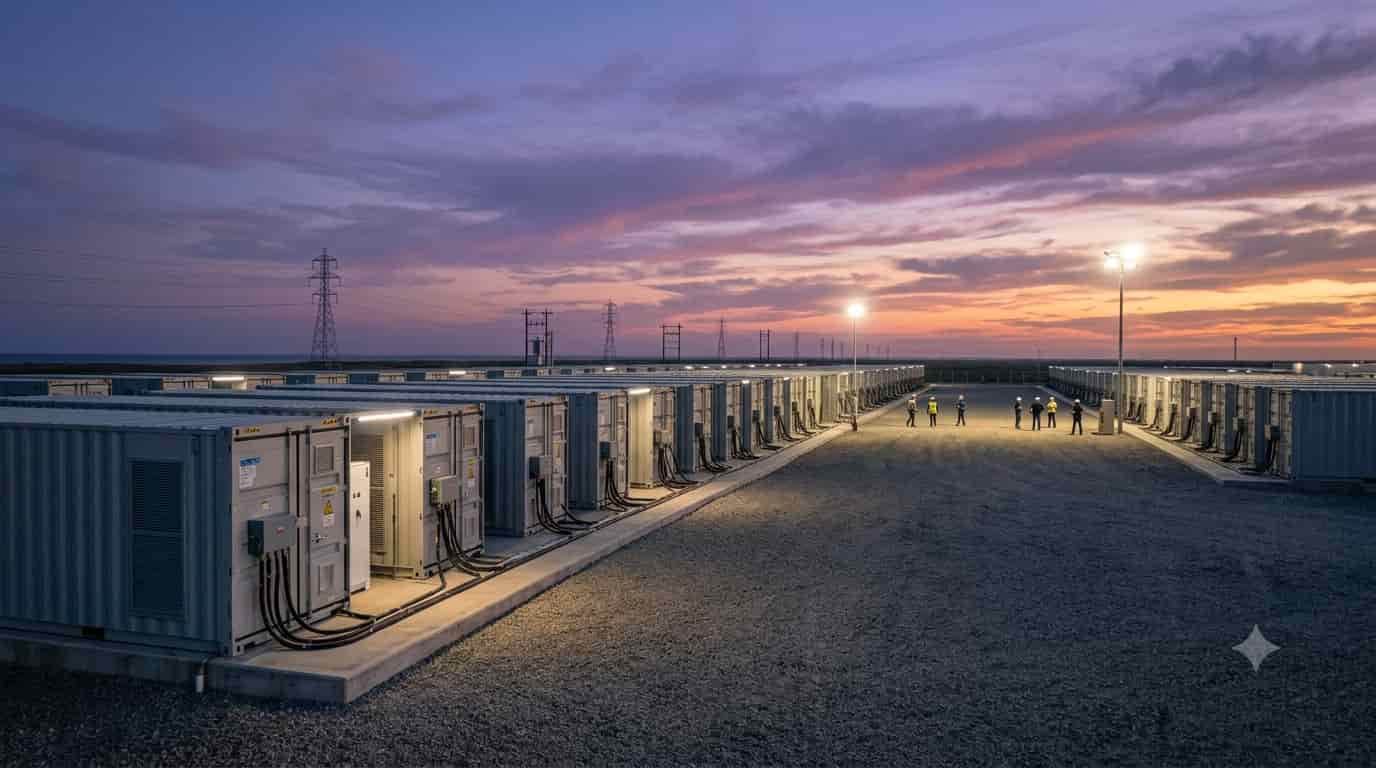
Renewables, while promising, come with challenges of intermittency. To ensure a reliable energy supply, India is investing heavily in energy storage solutions. Battery storage systems, capable of storing surplus energy for later use, are being integrated with solar and wind farms across the country.
Additionally, green hydrogen has emerged as a game-changer. Hydrogen produced from renewable sources is seen as a clean fuel for industrial processes and transportation. India’s National Hydrogen Mission aims to position the country as a global hub for green hydrogen production, with the potential to decarbonize sectors like steel and cement.
The coal conundrum: Balancing reliability with sustainability
Coal’s affordability and reliability make it critical for energy security, especially in a developing economy. However, its environmental cost cannot be ignored. Recognizing this, India is adopting measures to make coal use more sustainable. The Sustainable Coal Production Initiative focuses on improving mining efficiency and reducing emissions through carbon capture and storage (CCS) technologies.
Efforts to reopen closed coal mines using environmentally friendly practices further highlight India’s pragmatic approach. Yet, the challenge remains: can India transition to a greener future without compromising its developmental aspirations?
Policy frameworks: Paving the way for transition
State governments are also playing a crucial role. For instance, Gujarat and Rajasthan have introduced policies to attract renewable energy investments, emphasizing grid infrastructure development and storage solutions.
The road ahead: Challenges and opportunities
Land acquisition, a critical issue for both solar and wind projects, is another hurdle. Large-scale renewable energy parks require vast tracts of land, often leading to conflicts with local communities. Balancing development with social and environmental considerations is crucial to maintaining public support for such initiatives.
Technological advancements in energy storage and grid management offer hope. The integration of smart grids and real-time monitoring systems can enhance the efficiency of renewable energy distribution, reducing wastage and ensuring reliability.
India’s global role in the energy transition
India’s energy transition has implications beyond its borders. As one of the largest emerging economies, India’s policies and practices influence global energy markets and climate negotiations.
The country’s leadership in initiatives like the ISA demonstrates its commitment to collaborative action on climate change. By sharing its experiences and technologies, India can help other developing nations transition to clean energy.
Additionally, India’s energy strategy serves as a model for balancing economic development with environmental sustainability. While the path is fraught with challenges, the lessons learned from India’s dual approach to coal and renewables can inform global energy policies.
A delicate balancing act
India’s energy future hinges on its ability to navigate competing priorities. The expansion of coal capacity is essential to meet immediate demand, but the long-term vision is firmly rooted in renewable energy. Investments in solar, wind, and green hydrogen, coupled with policy support, can help India achieve its climate goals while ensuring energy security.
As the world looks to India for leadership in the energy transition, the country’s actions in the coming decade will shape not only its destiny but also the global fight against climate change. By balancing ambition with pragmatism, India is setting the stage for a sustainable and resilient energy future.
Kindly follow us for updates on: